WINGS Tour. Ecuador: Mindo and the Northwest Andes. February, 2026
2 - 9 February, 2026
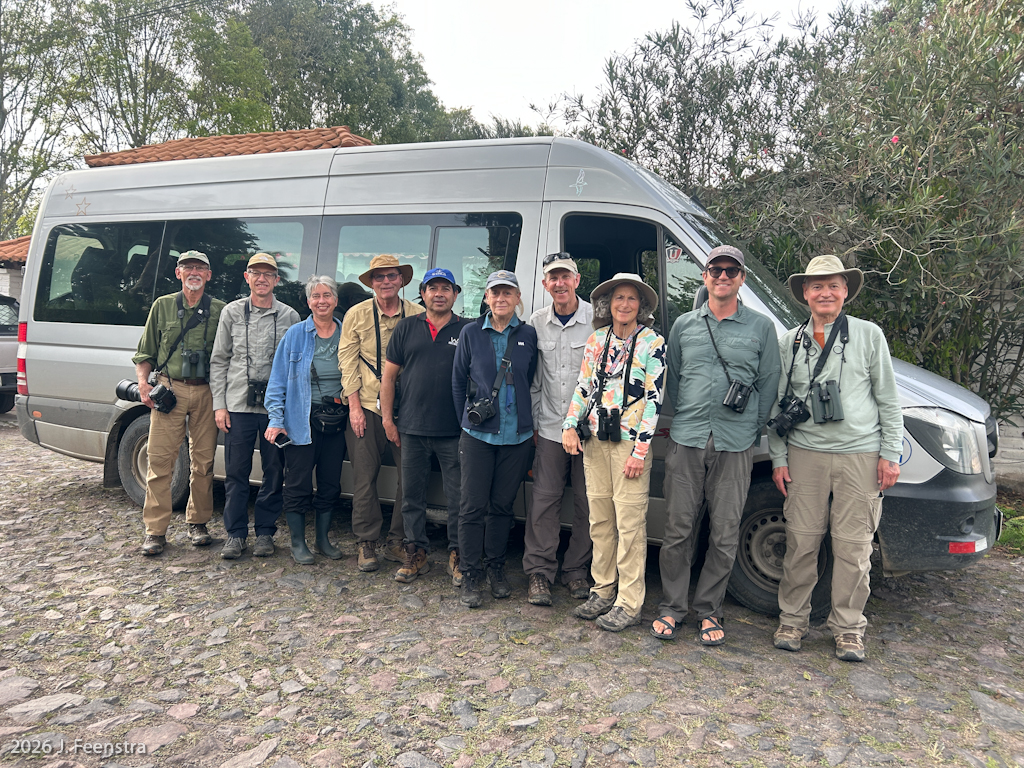
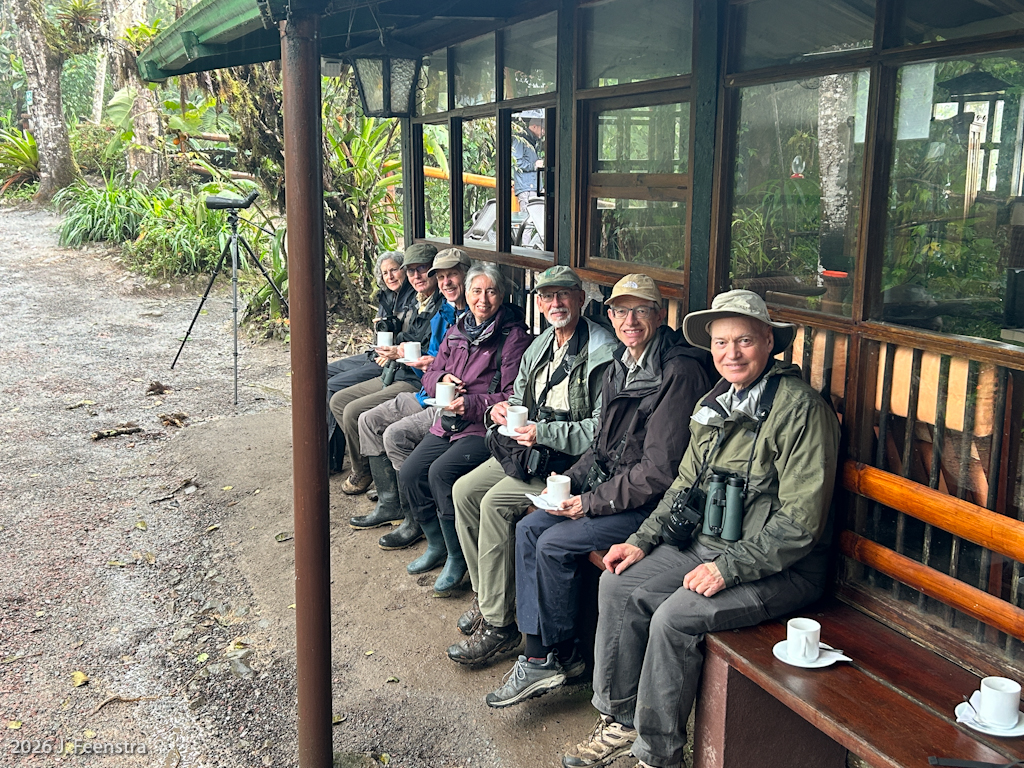
The Gang: Andy, Corinne, Dennis, Eric, Laura, Johannes, Sharon, Steven, Jon (Bird guy), and Edwin (el chofer)
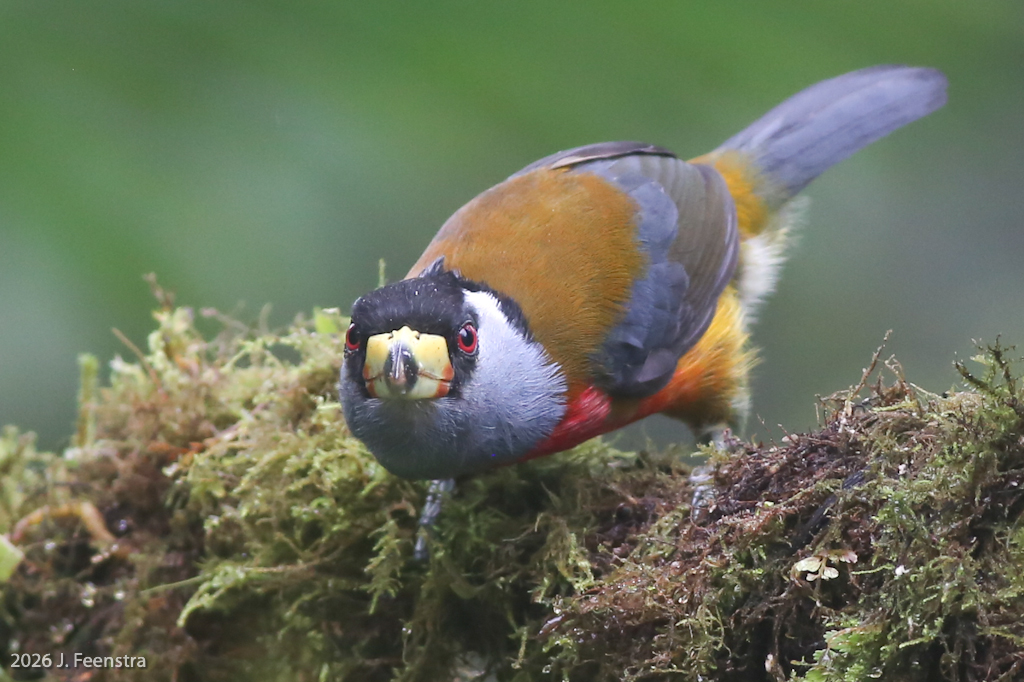

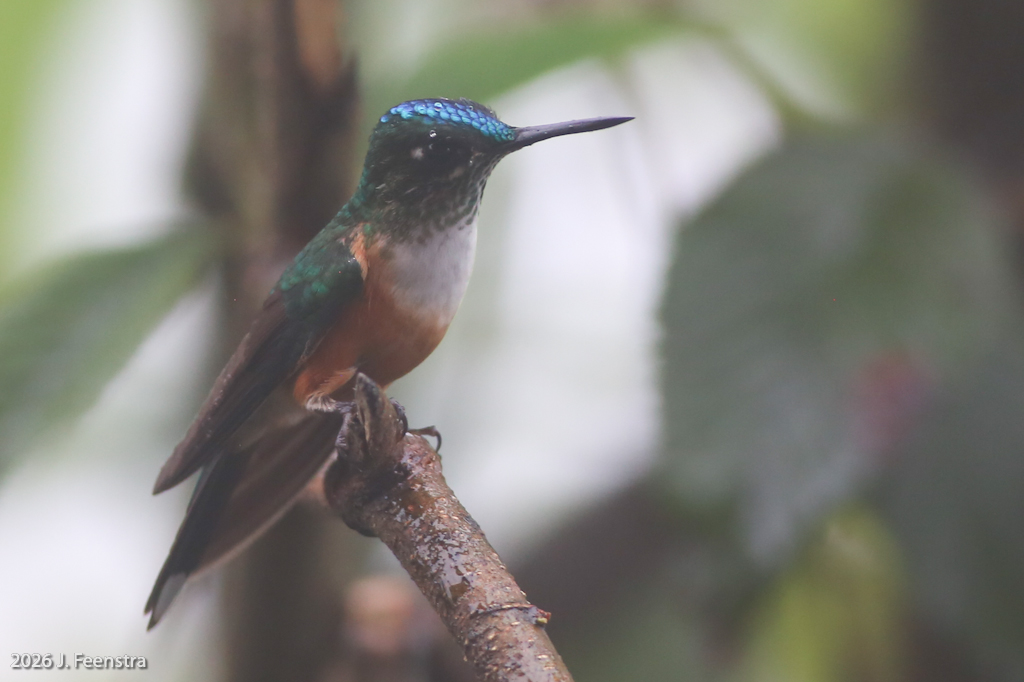
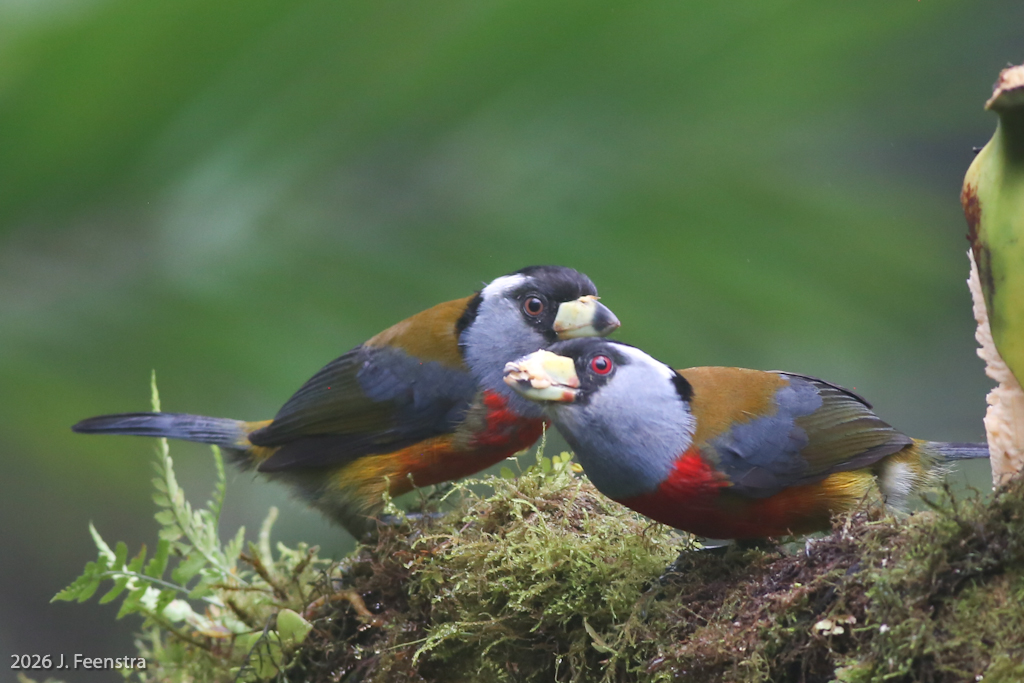
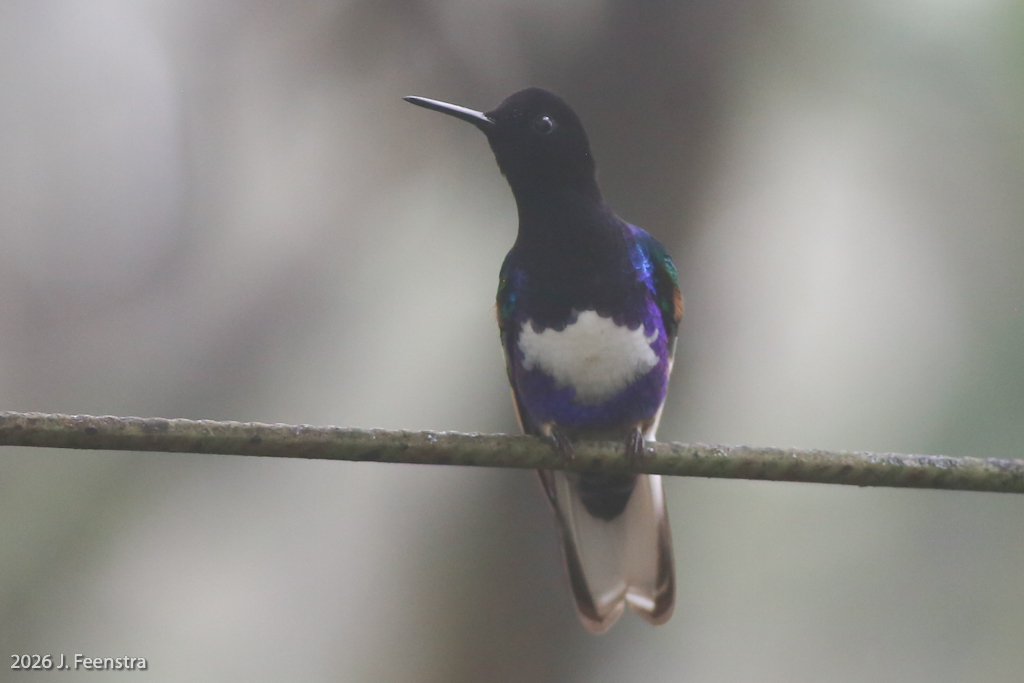
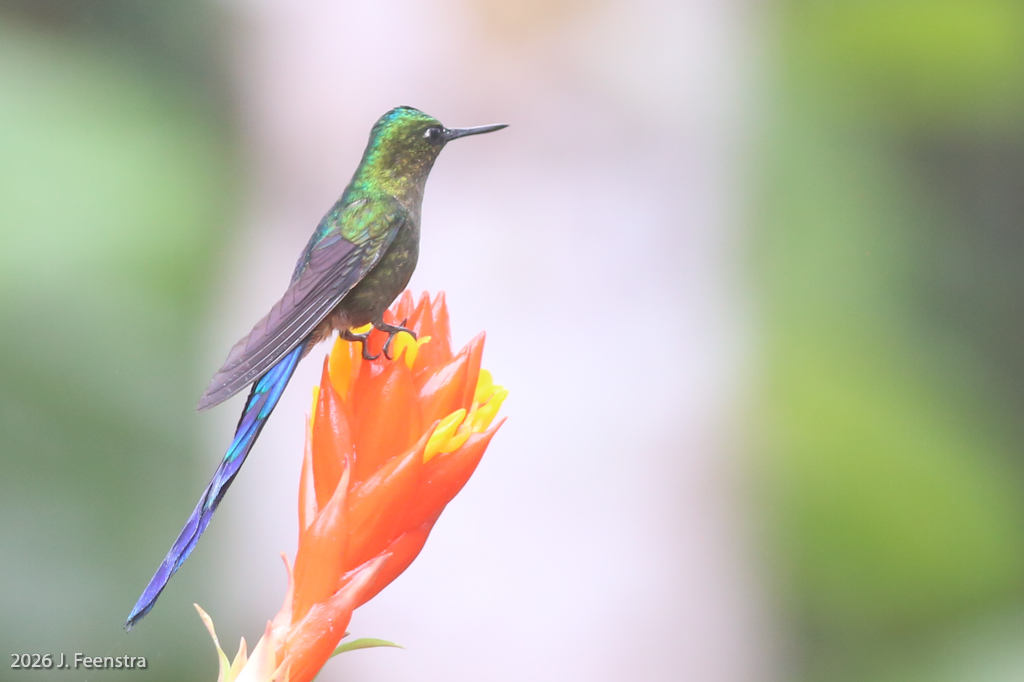
There are few places in which a tour of “day trips” can be as productive as one based in Mindo in the northwestern Ecuadorian Andes. With home base at a posh forest lodge in the cloud forest, we did a little birding uphill into the elfin temperate forest and a little birding downhill into the lowland rainforest, and a lot of birding just in between. The diversity of the area is amazing and the birding infrastructure at this eco-tourism hot spot means that there are always bird feeders with a roof under which we can hide when the rain comes. During our week we saw some classics like the multicolored and just plain bizarre Toucan Barbet and the spectacular Andean Cock-of-the-rock. We also saw a variety of antpittas including Equatorial, Chestnut-naped, Chestnut-crowned, Yellow-breasted, and Ochre-breasted. Thanks to the array of hummingbird feeders and just good luck in the forest we encountered 42 species of hummingbirds. Some of these like White-booted Racket-tail, Sword-billed Hummingbird, Violet-tailed Sylph, and Velvet-purple Coronet got high marks for their beauty, charisma, and/or weirdness. The trip list was over 300 species at the end, so those were only a few of the highlights we found each day.
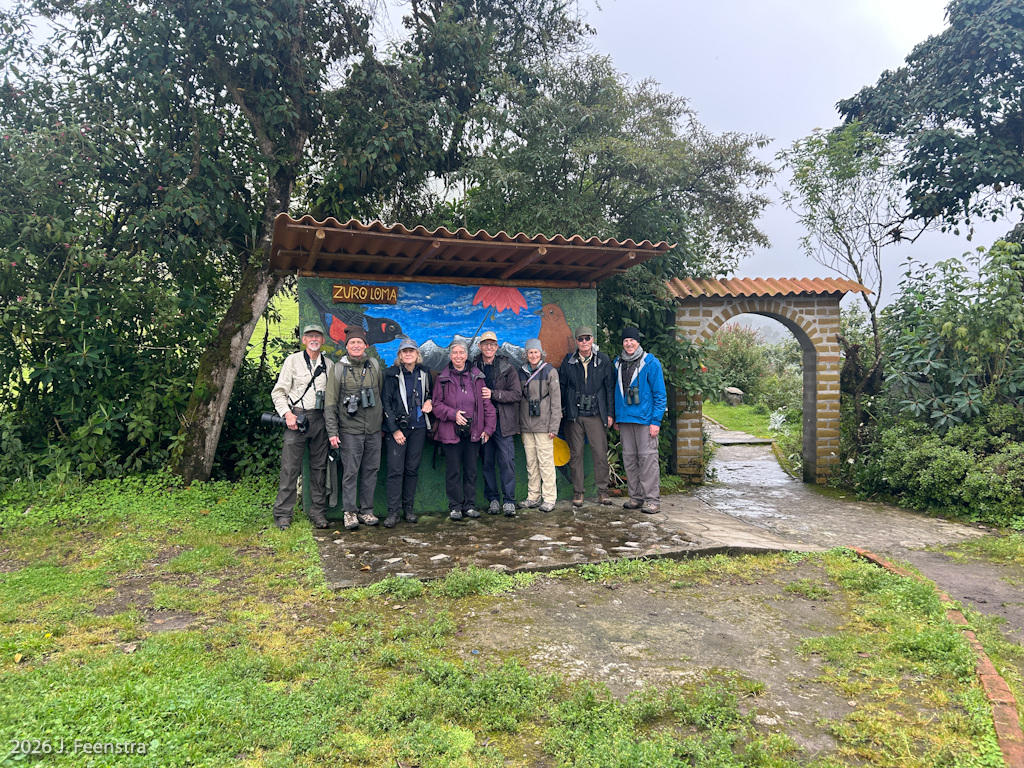
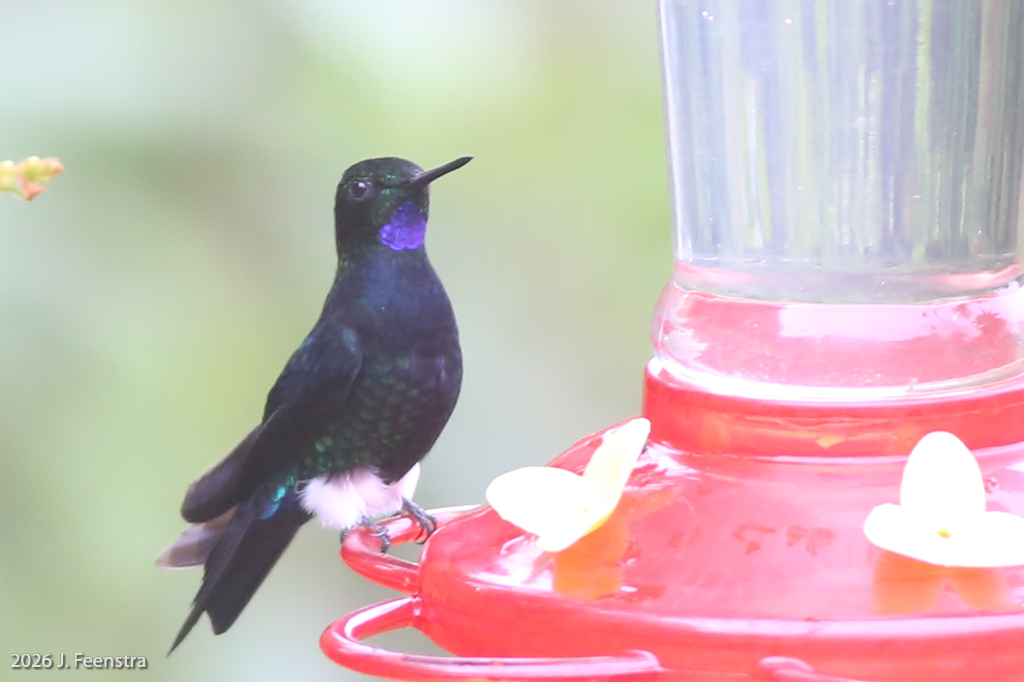

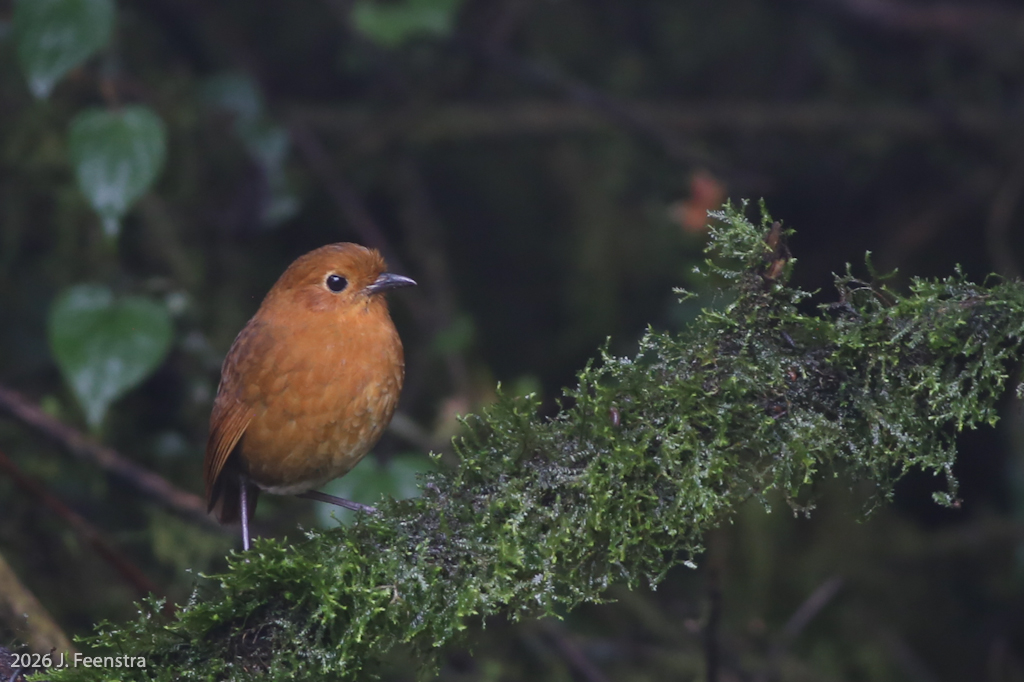
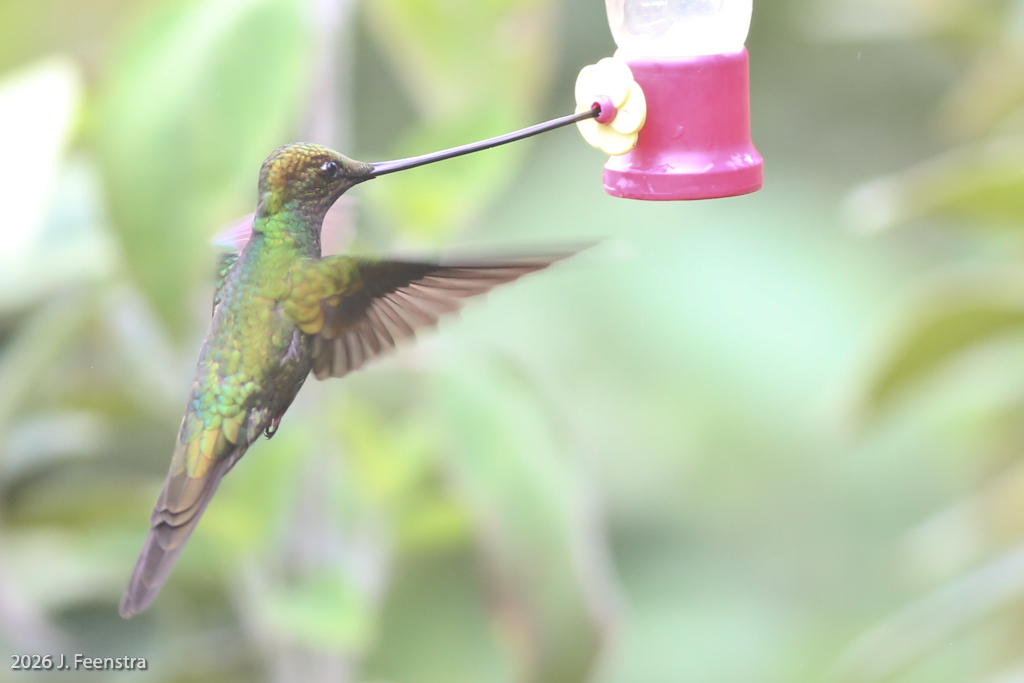
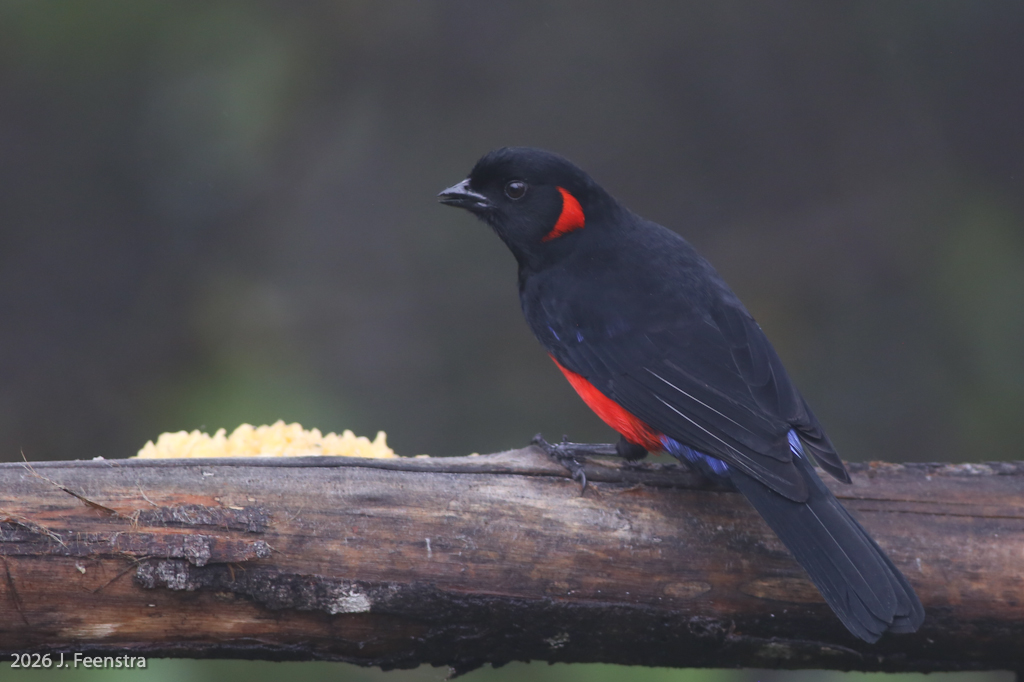
Our first day in the field was also our day at high elevation. We visited two reserves in the “temperate” elfin forest. The first, Zuro Loma, coincidentally was also hosting a male Black-breasted Puffleg at its feeders. This is one of the world’s rarest birds, a mythical and unpredictable hummingbird endemic to a few volcanic slopes outside of Quito, and there it was at a bird feeder! That was only part of the show, however. It was very birdy there, and we counted 15 hummingbird species including the impossibly-proportioned Sword-billed Hummingbird. We discussed, but couldn’t figure out, how it could preen its feathers or build a nest with such a ridiculous beak. The staff at the reserve were putting worms out for some antpittas, as well, and we had nice looks at Chestnut-naped Antpitta, a new one for the cumulative tour checklist. Our first tanagers, big, showy things like Hooded Mountain-Tanager and Scarlet-bellied Mountain-Tanager came it to eat some bananas. It was epic. From there, we ascended further to the Yanacocha reserve. Here we picked up a couple new hummingbird species, including the enormous Great Sapphirewing. Fog had rolled in, so we weren’t going to see much out on the trail, so we began our descent to Mindo. A road closure had us diverted a little bit, but we arrived at our hotel outside of Mindo in the late afternoon with time to visit the lodge’s hummingbird feeders and add 11 new ones to our total list. We ended our first day with an impressive 28 species of hummingbird and a week more birding ahead of us.

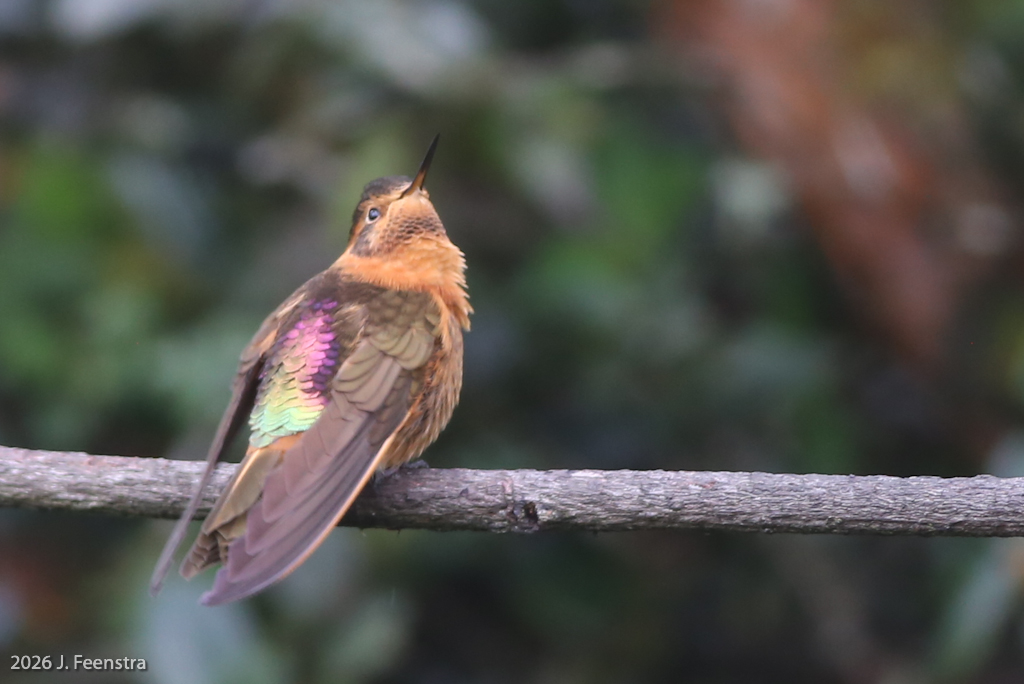
Our birding day began right off the doorstep of the lodge. We finished breakfast and waited for the morning to “wow” us. We were not disappointed. The dawn chorus of motmots, Cloud-forest Pygmy-Owl, and chirping tanagers subsided, and we spent the next several hours wandering around the grounds of the lodge and out the driveway. A wonderful and chaotic mixed flock was exhilarated us with various species of tanagers, furnariids, and flycatchers. Active Red-faced Spinetails crossed paths with colorful Beryl-spangled, Metallic-green, Black-capped, and Glistening-green Tanagers. A hilariously named Marble-faced Bristle-Tyrant also stopped in. A positively glowing Golden-headed Quetzal perched stolidly while lesser birds worked the foliage around it. The whole scene with the pulse of activity and its consequent effect on the behavior of the birders below was a classic spectacle of the tropical forest. After lunch at the lodge we departed for one of the back roads of nearby Mindo town. A border between pasture and forest gave us ideal visibility of birds on the edge. Some highlights were a pair of Masked Water-Tyrants on the roof of a farm house and a pair of Guira Tanagers in the trees overhead. A pair of Rufous Motmots were stationed on the roadside over a nest hole in the bank. And, a pair of Torrent Tyrannulets bounced between the rocks of a raging torrent of a river below. All that stuff and great weather made it a wonderful day in the cloud forest.
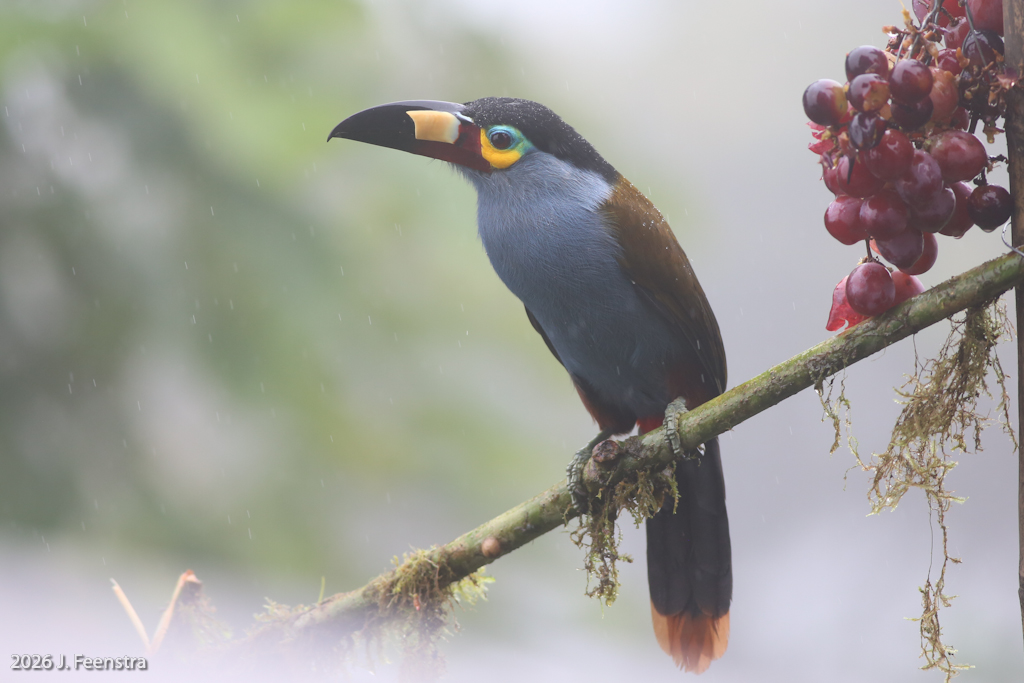
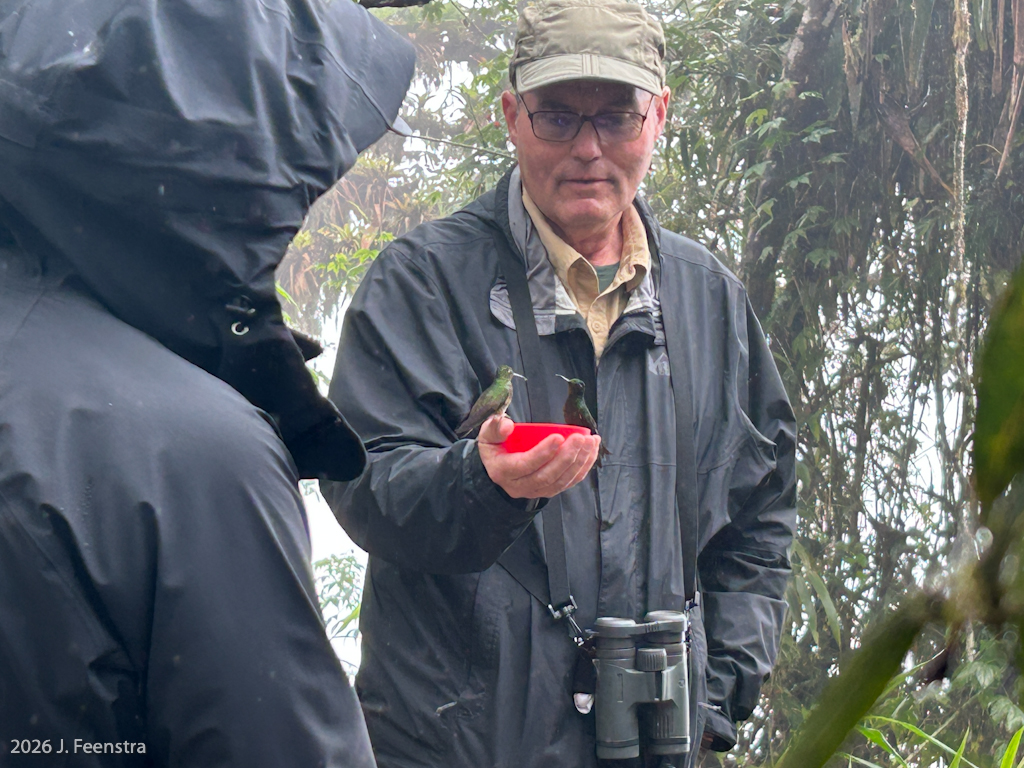
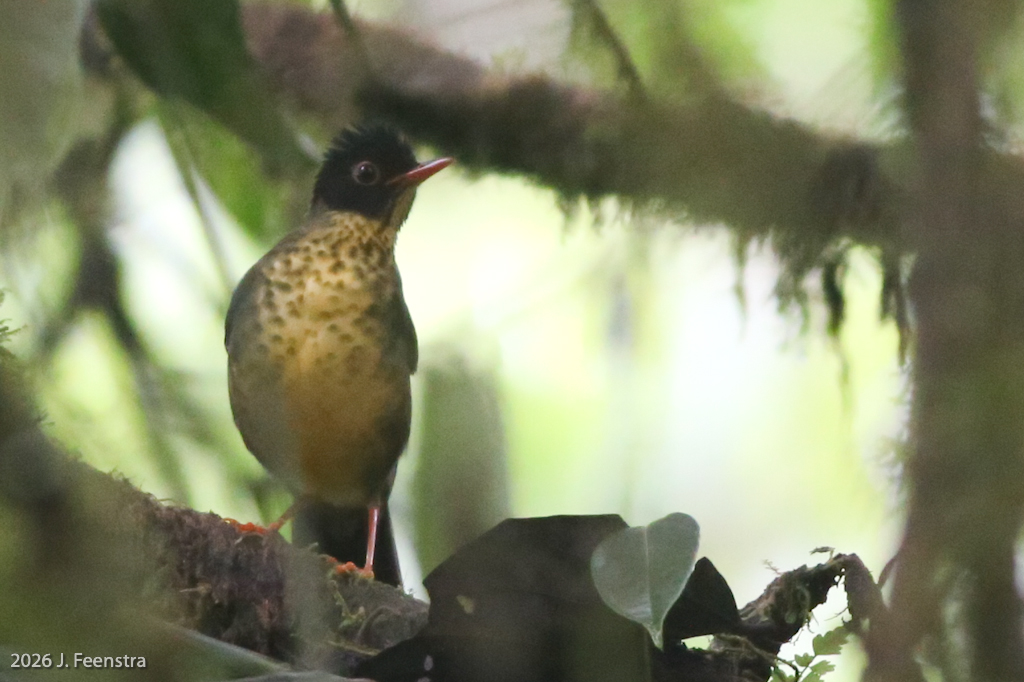
Since it rains kind of a lot here, making the most of a rainy day is just part of birding. Also, it doesn’t hurt that people in the Mindo area have learned that their forests are the attraction, and it doesn’t take much to make a nice place with feeders and a roof to attract both birds and birdwatchers. We did some excellent rain avoidance in the mountains today starting in the cloud forest at Bellavista where the combo of fruit feeders and a moth light had brought in Plate-billed Mountain-Toucans, Striped Treehunter, Flame-faced Tanagers, and a horde of other hungry things. Continuing to avoid the rain, we moved downhill somewhat from the ridge to another sheltered feeder array that had 14 hummingbird species including new ones for our trip like Empress Brilliant and Purple-throated Woodstar. After eating our picnic lunches there, we descended about 700 meters in elevation to the Milpe Reserve in the foothill rainforest where it was nicely not raining. They had feeders, as well, but the forest had awoken after rain and we had a great time with tanagers, flycatchers, a Pale-eyed Thrush, a couple of Yellow-collared Chlorophonias, and a surprisingly cooperative Speckled Nightingale-Thrush. We really did have to tear ourselves away.



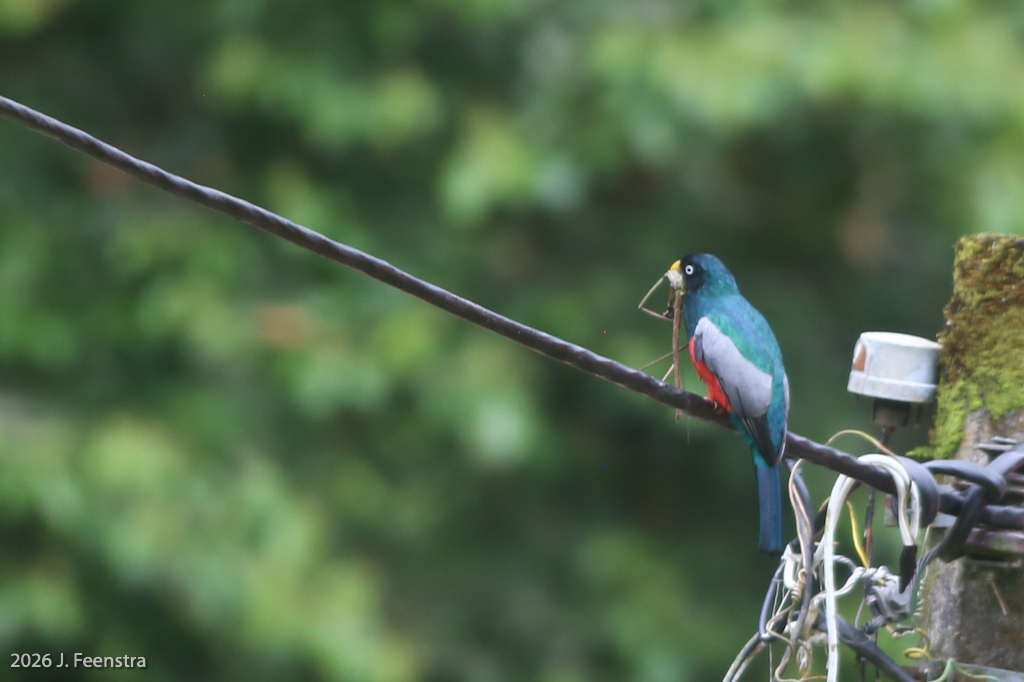
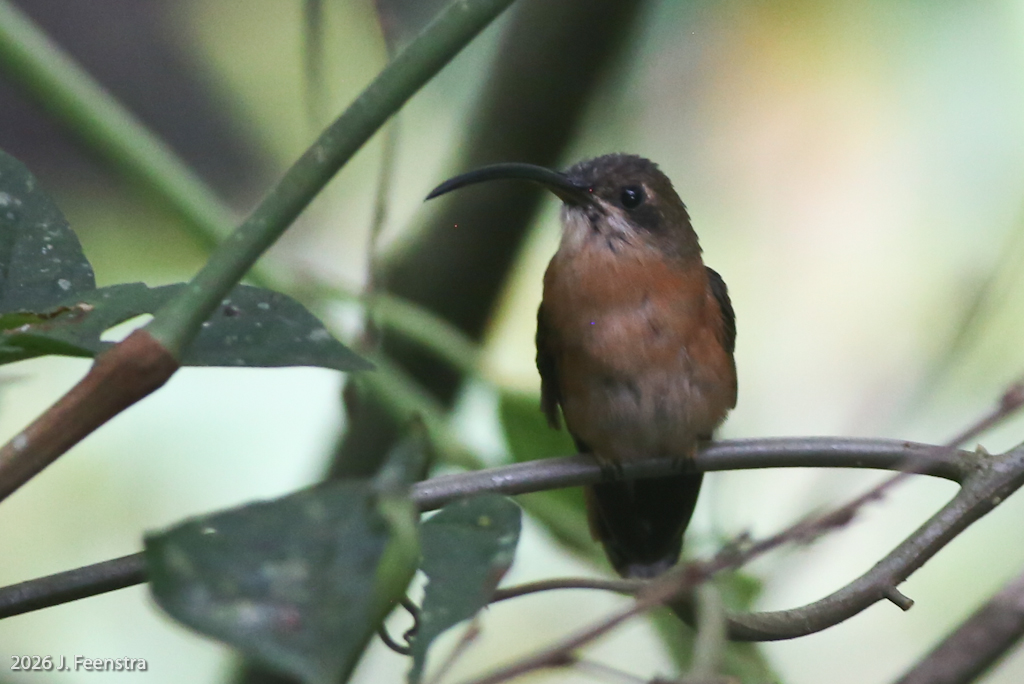
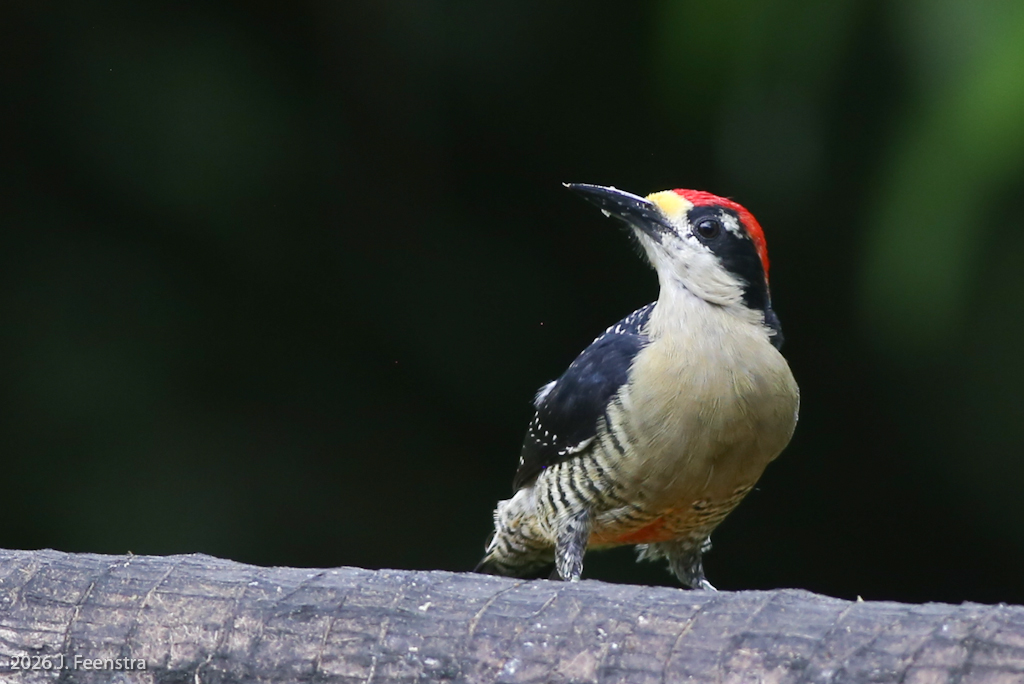
The Mindo advantage is its central location to a variety of elevations and it’s only about an hour and a half drive from home base at Septimo Paraiso downhill to the lowland rainforest at the Rio Silanche Reserve. Their canopy tower continues to sink below the canopy as the surrounding forest has grown, but it was still a great vantage point for birds moving between the treetops. We did have to retreat below the top platform for intermittent rain, but we didn’t lose any birding and we saw some of the Choco rainforest specialties like Black-striped Woodcreeper, Orange-fronted Barbet, Rufous-winged Tanager, Scarlet-bellied Dacnis, and Golden-hooded Tanager. We even spotted a Lanceolated Monklet at eye level being tiny and still. Walking from the tower and on the roads around the reserve we found a flock of Chestnut-fronted Macaws in a treetop and finally got looks at the Choco Toucans we’ve been hearing for the past couple of days. After a picnic lunch, leaving the reserve, we spotted a Blue-tailed Trogon, another Choco endemic, on a light pole outside of someone’s house. It had an enormous stick insect in its beak and seemed to appear to be wondering how it was going to fit it in. Our afternoon was at the Sendero Frutty Tour birdfeeders on the way back up hill. Hundreds of hummingbirds were bombing everywhere, including: Violet-belled Hummingbird, Black-throated Mango, and Bronzy Hermit, new species for us. The bananas were attracting piles things, as well, including Black-winged Saltator, Black-cheeked and Golden-olive Woodpeckers, and Yellow-tailed Orioles. It was a spectacular, yet frantic, show.

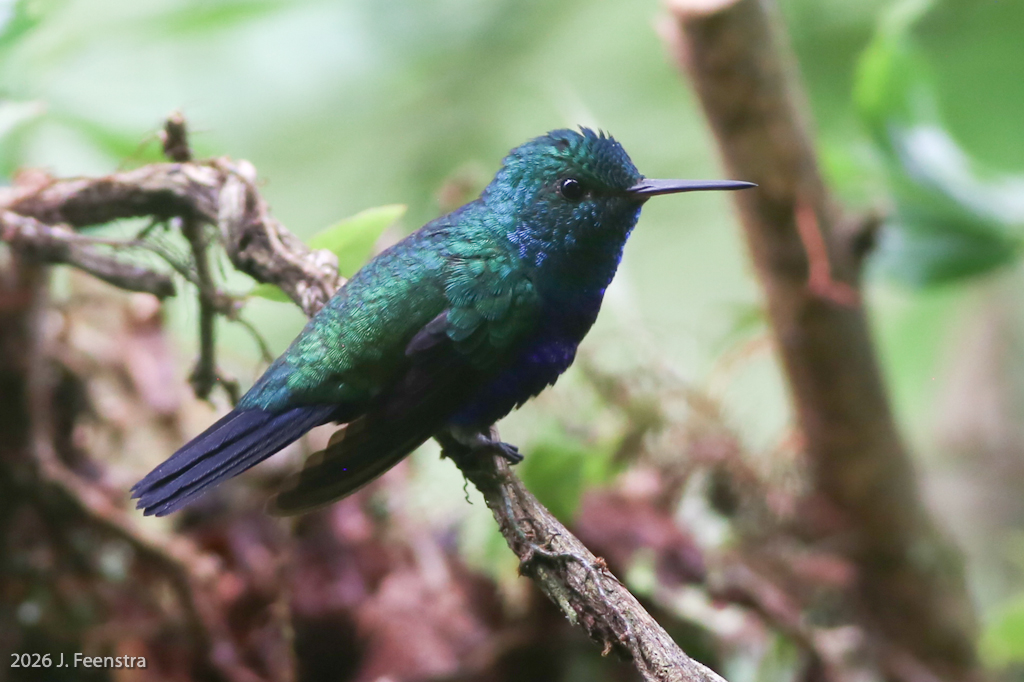


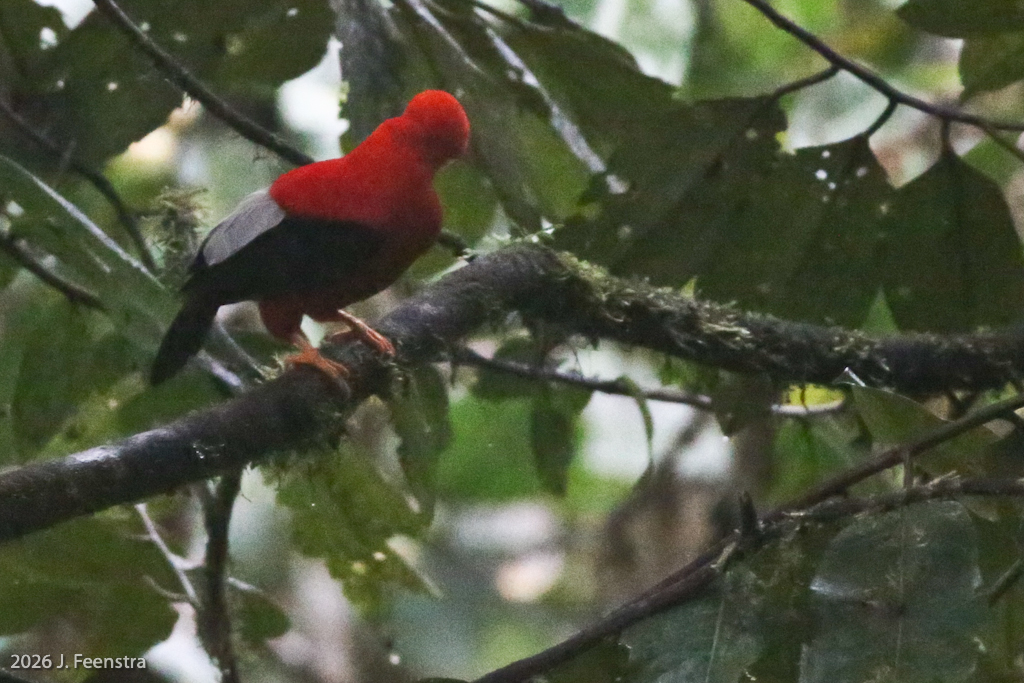
With Mindo already known for great eco-tourism experiences, Angel Paz often comes up as a formative name in the business. His farm, now a permanent bird reserve, is a regular stop for bird groups visiting the area. According to plan, we arrived pre-dawn and hiked into the forest to a hide. As light began to filter into the dark forest, we were treated to the insane screeching of displaying male Andean Cocks-of-the-rock at their lek site. These big, red cotingas did their thing until the sun was officially out, then vanished back into the forest. After that show, we were guided to one of the reserves antpittas that has been painstakingly conditioned to be not a shy forest bird for a few minutes a day. A very easy and cooperative Yellow-breasted Antpitta, nicknamed “Wilhemina,” popped onto the side of the road for us. Next, we took a little break with an Andean breakfast of bolón, coffee, and an empanada (and hummingbird feeders). Full of food, we then went to a different end of the reserve where bananas attracted some Toucan Barbets, one of the Chocó region’s most iconic and bizarre endemics (and a monotypic family). While watching them we were alerted to another cooperating antpitta down in the forest, this time the tiny Ochre-breasted Antpitta, nickname “Shakira.” The grand finale of our visit to the Paz reserve was on our way out when we found a roosting male Lyre-tailed Nightjar off the side of the road. Its amazing long tail feathers were hanging several bird-lengths below it. The weather had been pleasant for the morning, but the afternoon came with rain, so rather than trudge around in it, we enjoyed a swarm of tanagers and hummingbirds at the San Tadeo Birding place just up the road from our hotel.



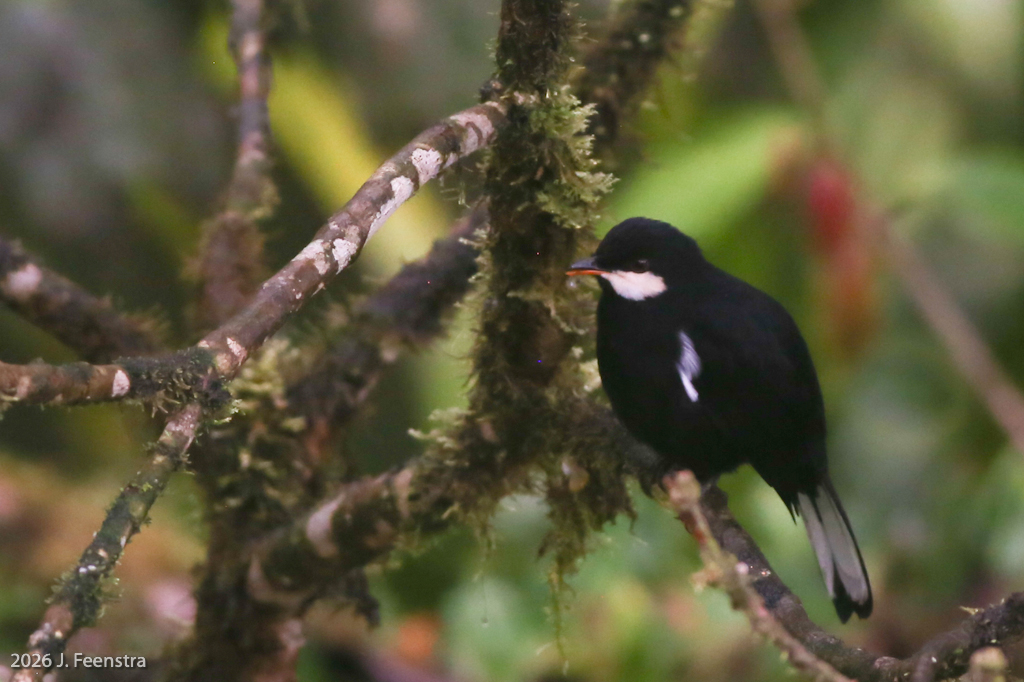
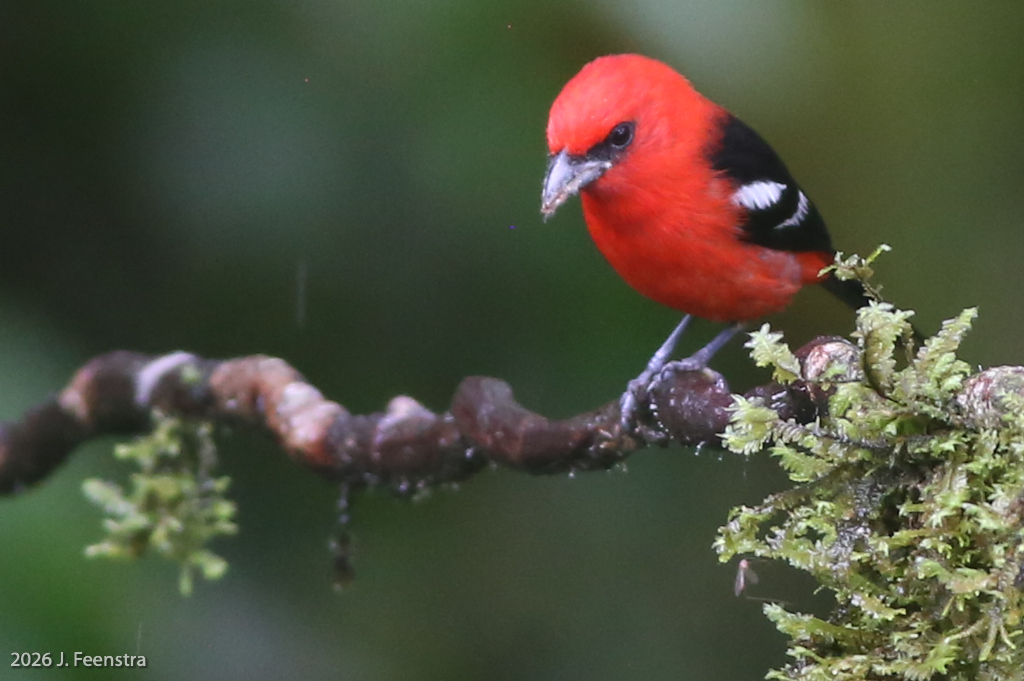


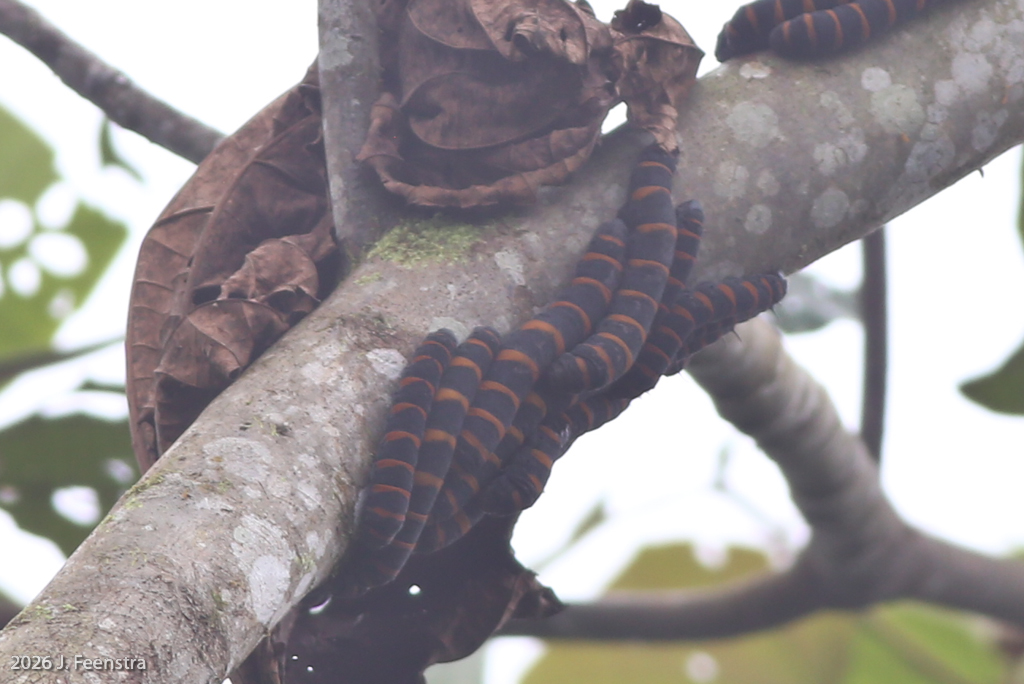
The next day was sure an early start, but it was worth it. We left in the dark (of course) and arrived in the dark at the Amagusa Reserve to see what the bug light drew in overnight, then what the bugs would draw in over the next couple of hours. The crowd of birds was diverse and had some specialties like Pacific Tuftedcheek and the stunning Black Solitaire. The bananas pinned up at various places attracted dozens of Rose-faced Parrots as well as an array of tanagers including Moss-backed, Glistening-green, White-winged, and Flame-faced. Out in the driveway, on the palm fruit, were a pair of Orange-breasted Fruiteaters. Since the morning had drawn on, we left Amagusa and descended in elevation to another place that fed birds where we could eat our picnic lunch. Those bananas had some new things for us like Gray-and-gold and Emerald Tanagers plus some point-blank Pale-mandibled Araçaris. We had planned to do some walking along the road through the forest, but the rain stopped us, so we just drove slowly and hoped for something easy from the van. That worked out when our driver spotted a ghostly Black-tipped Cotinga out his window. We stopped, got out, watched it, then found another male and a female. We also found a couple of Cinnamon Woodpeckers and a knot of giant silk moth caterpillars on a tree.


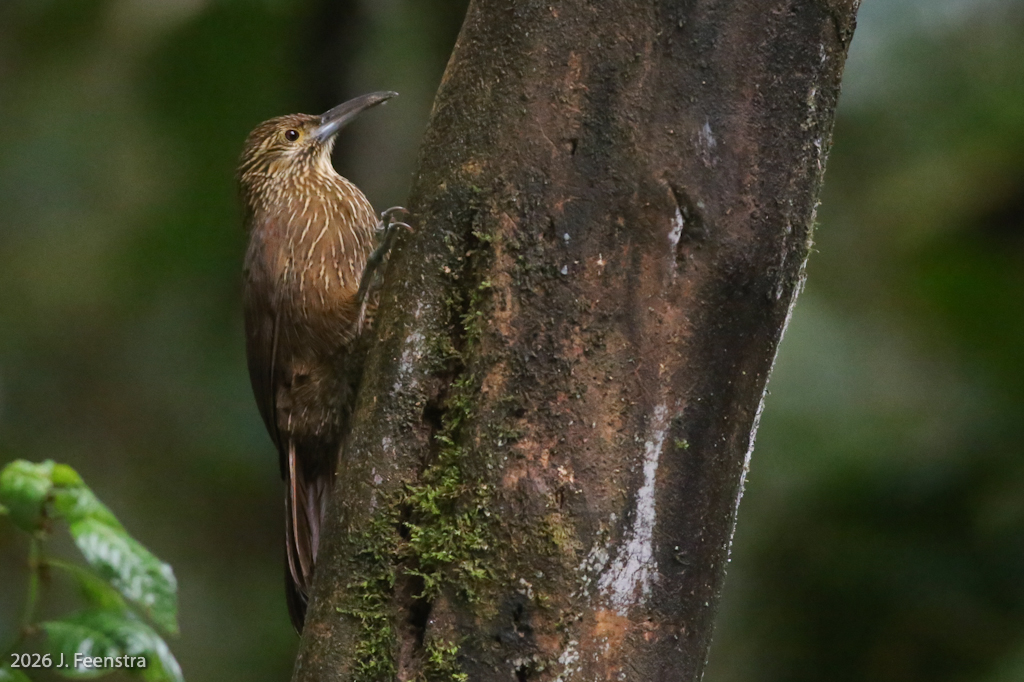
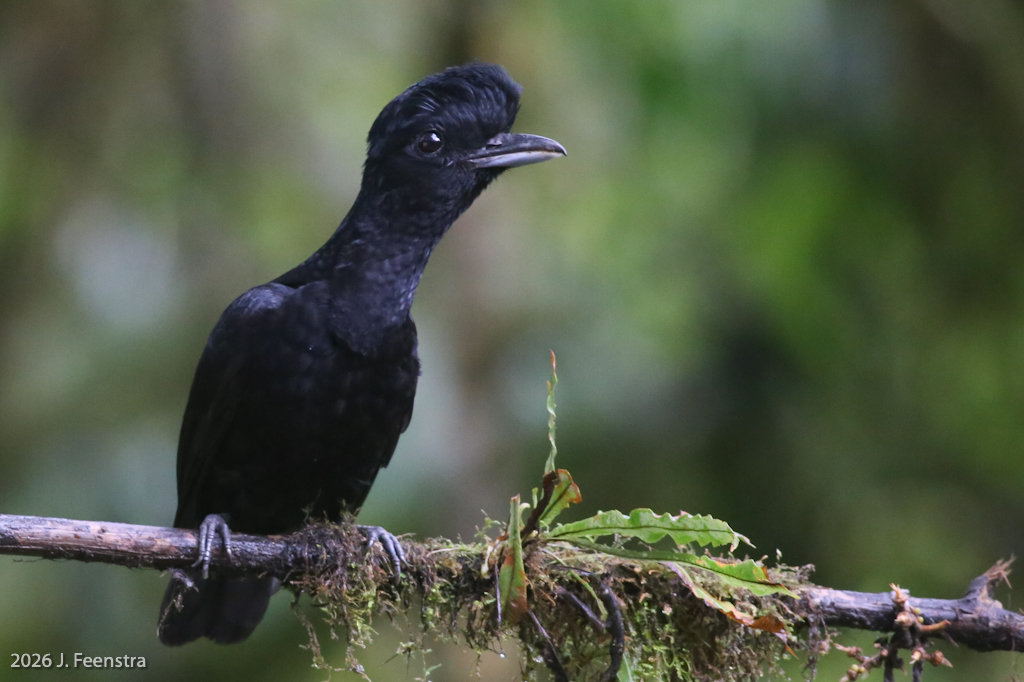
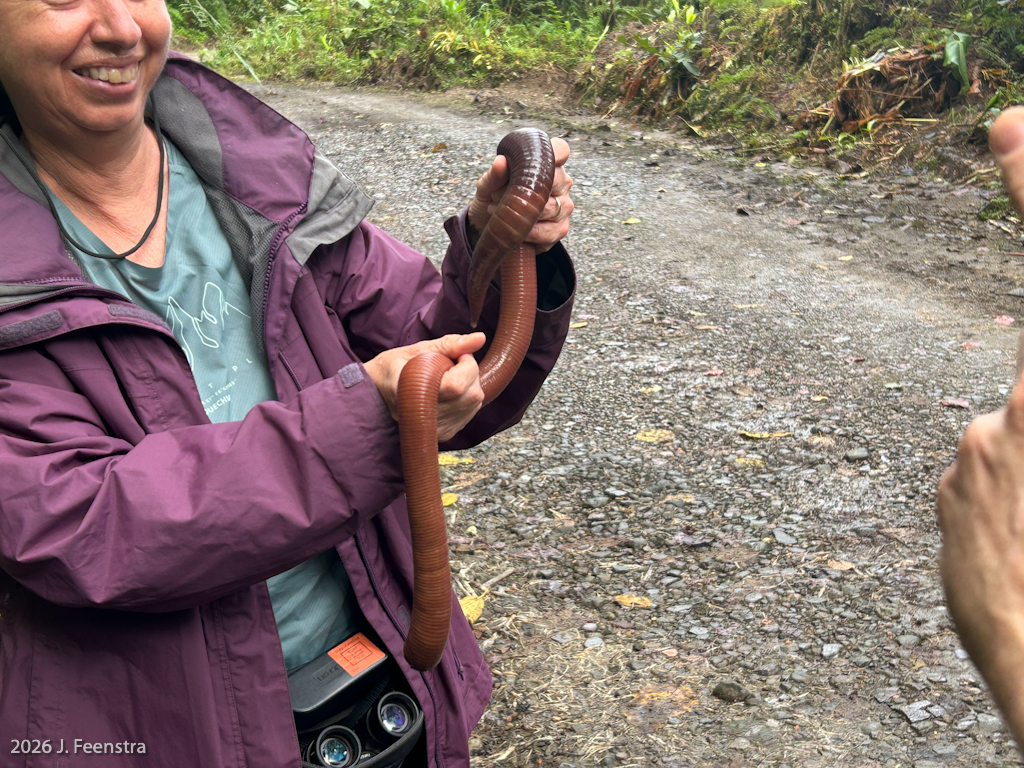
For the first time on the tour, we had a full day without any rain to think about. It hadn’t impacted our bird list (in fact, it made it better), but we had done a lot more birding from under shelter and at feeding stations, and less birding just out walking around. On this, our last day, we got our walk on. With rain always on the mind, however, we started at dawn at a nearby moth light where we got close looks at Masked Trogon, Streak-capped Treehunter, Three-striped Warblers, and Strong-billed Woodcreeper. The show-stopper, though, was when two Long-wattled Umbrellabirds swooped in to pick up a few grapes and grab a moth. We went from there back up into the montane cloud forest to walk around in some areas that we had been rained out of a few days ago. With continuing perfect weather, we saw some newies for the tour like Blue-and-black Tanager, Capped Conebill, and Yellow-bellied Chat-Tyrant. We even had a view of the Pichincha volcano and the more distant, and snow-capped Iliniza volcano. Another highlight was a jaw-dropping giant earthworm, as big around as a hotdog and more than a meter long. After a sit-down lunch at a nice highway restaurant, we passed out of the humid forest and into the rain shadow of the inter-Andean valley. In the thorn scrub we found Tufted Tit-Tyrants, Black-tailed Trainbearers, Blue-and-yellow Tanager, and lots of Hooded Siskins. Leaving there and finishing our drive back to Puembo we stopped on the side of the highway for our last, and least atmospheric, birding at the airport detention basin where we added some water birds like White-cheeked Pintail, Slate-colored Coot, and Cocoi Heron. We ended back at our lodge in Puembo with a Tropical Mockingbird singing over our heads, so, birding from start to finish.