
WINGS Tour: Ecuador, The South, Fall 2025
3 - 20 November, 2025
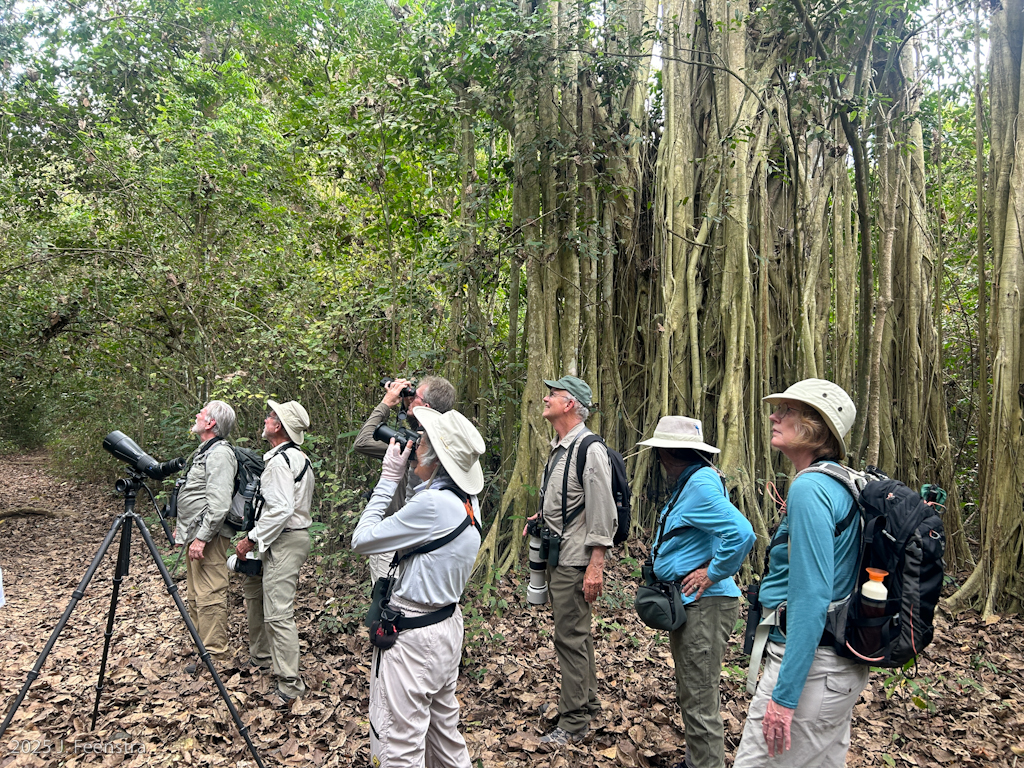
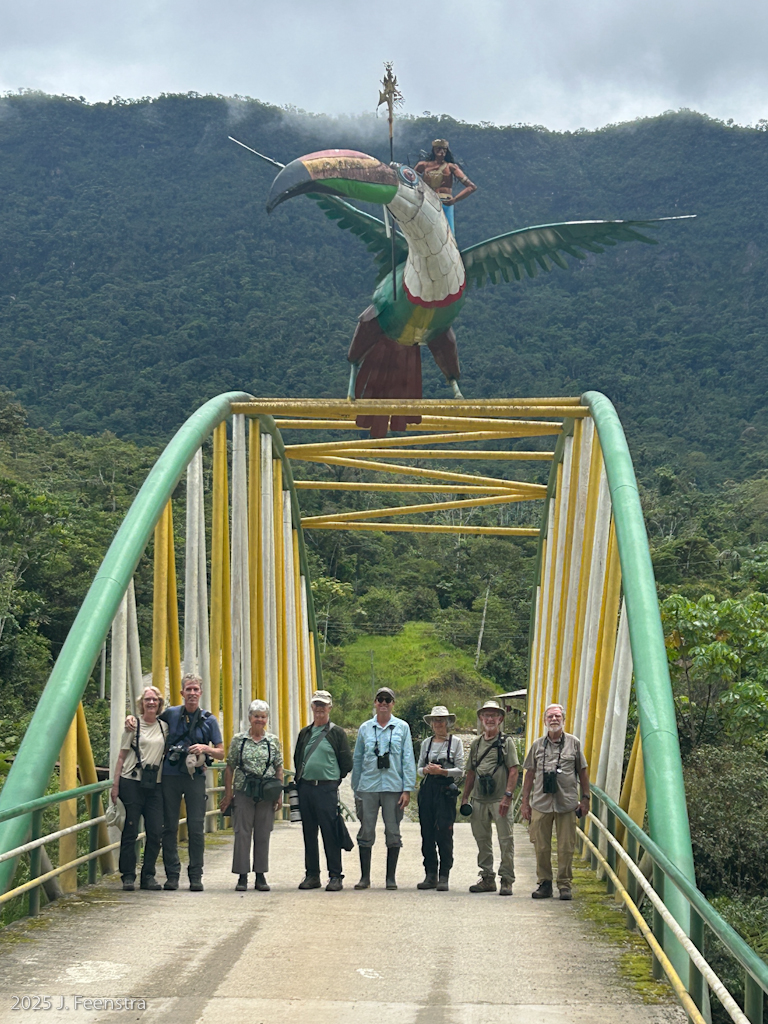
The gang: Adam, Grete, Kathy, Marc, Pauline, Roger, William, Jon (bird guy), and Edwin (el chofer)
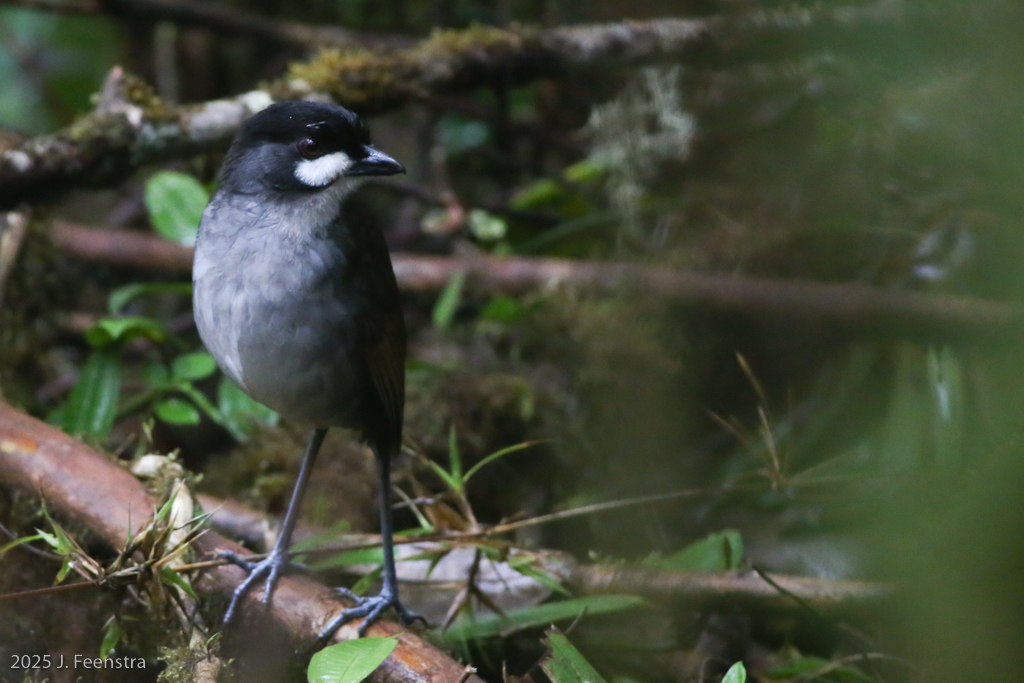
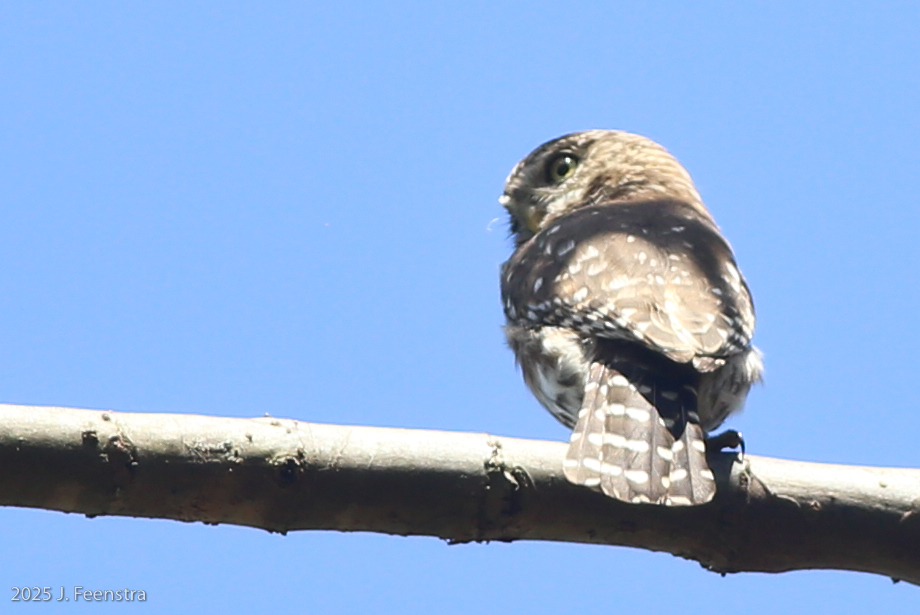
This tour of Southern Ecuador really felt like a blur sometimes. When the list approaches 500 species it can be like that. There are so many great things across so much elevation and varied habitats, and we got into those nooks and crannies and winkled out the best stuff. Perhaps headlining our highlights was Jocotoco Antpitta, something of a celebrity bird, and we saw three in the upper cloud forests. Along a similar vein we also journeyed to a remote mountaintop and saw a couple of Blue-throated Hillstars just new to science in 2017. And, continuing the rare bird theme we saw Pale-headed Brushfinches, once thought extinct and now viewable in a remnant patch of habitat in an isolated valley. Though the rare birds get a lot of credit, there are so many other species that were just wonderful to see. Things like charming little Peruvian Pygmy-Owls that we saw in the forest getting bombed on by hummingbirds or sometimes just sitting on an electrical wire on the side of the road. Or, spectacular Scarlet-bellied Mountain-Tanagers and Gray-breasted Mountain-Toucans that seemed to defy nature with their wild combinations of colors. The birds came in all shapes and sizes and in the context of everything from windswept mountain peaks to desolate desert to steamy tropical rainforest. The density of these diverse of birds and habitats packed into southern Ecuador made this a busy and memorable tour.
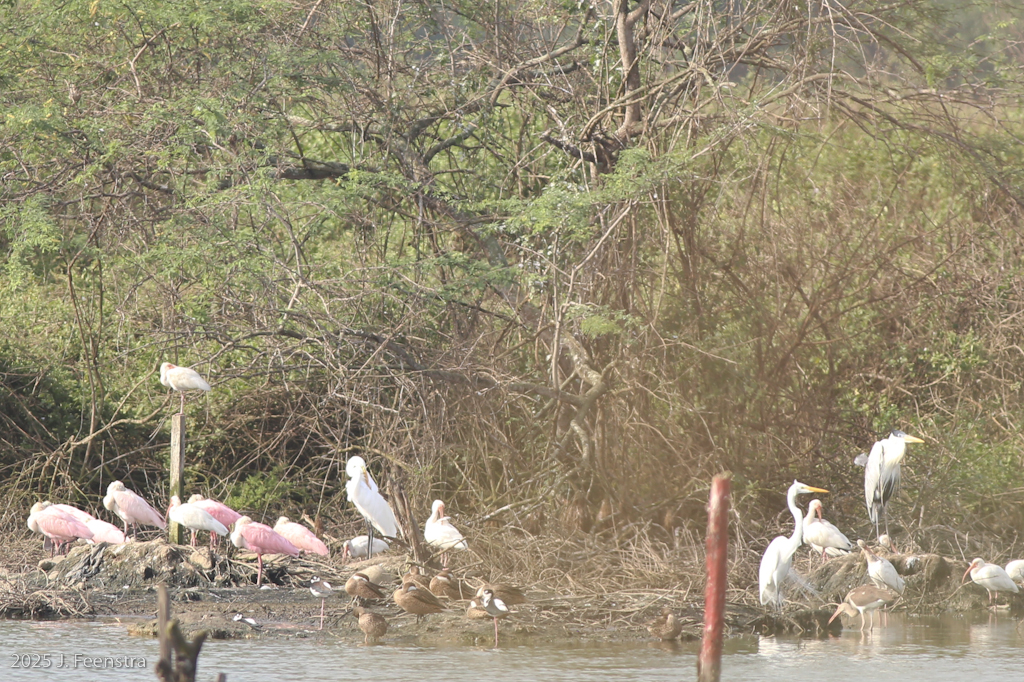
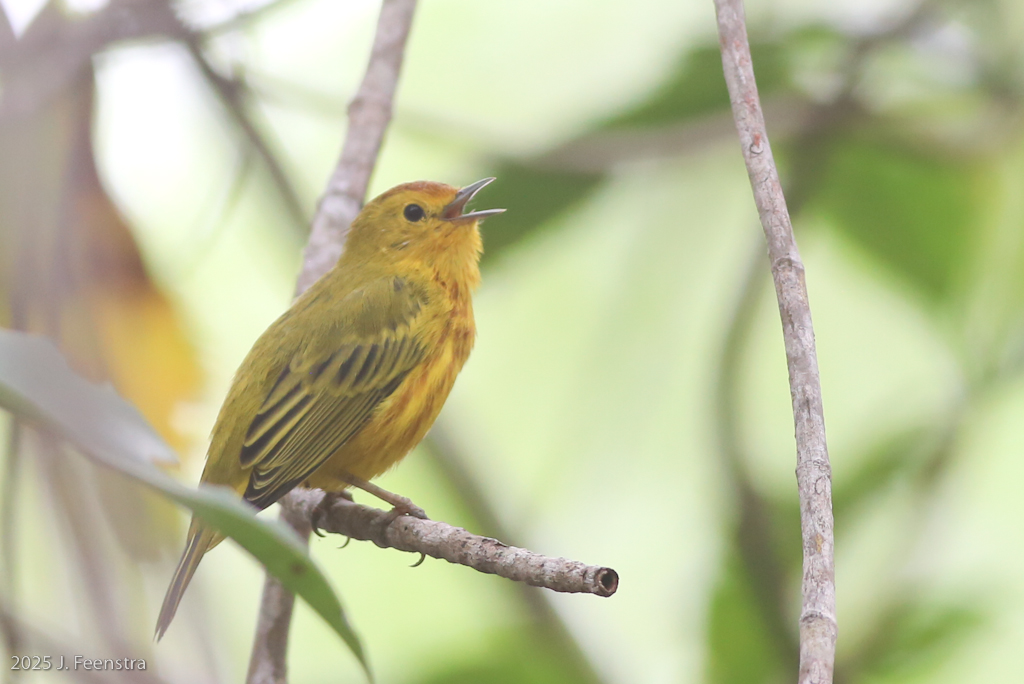
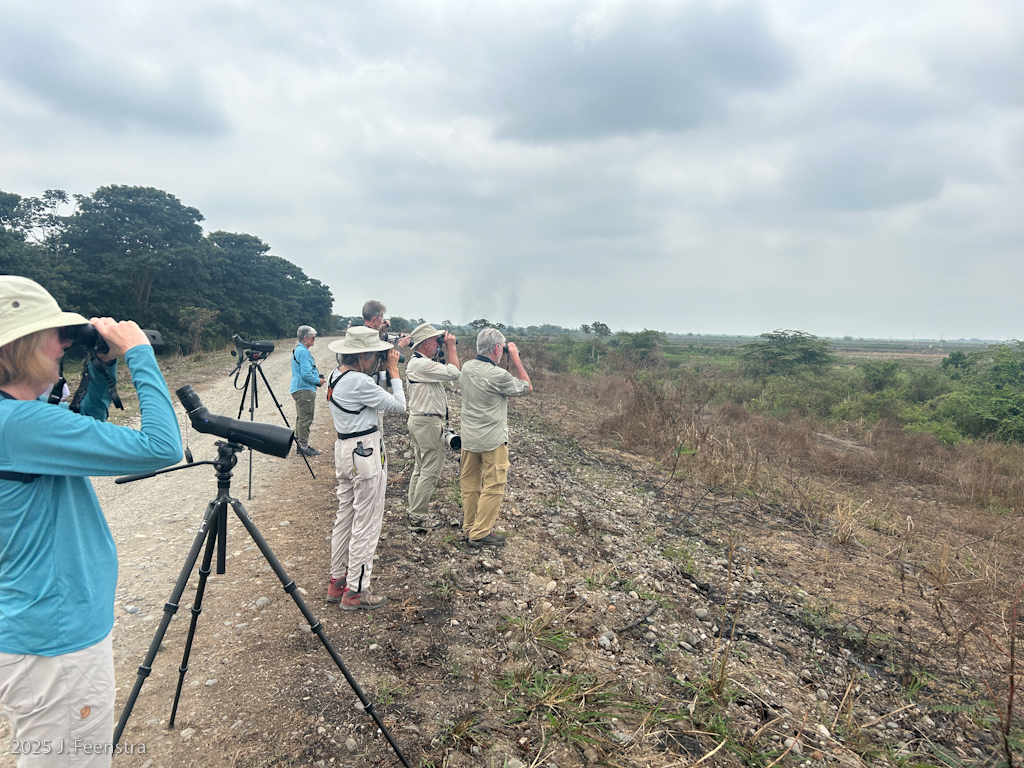
The trip began with a storm of great birding that broke up our otherwise rather long drive through a lot of banana plantations. Our first stop in the tropical deciduous forest of Manglares-Churute National Park turned up a Jet Antbird, the local specialty. We also had a nice long look at a male White-bearded Manakin before venturing into the adjacent mangroves for a flurry of small birds that included Mangrove Yellow Warbler and a few Scarlet-backed Woodpeckers. Down across the highway in the extensive wetlands we saw over a dozen Horned Screamers, several close enough to check out their nifty, angler-fish-like “horn,” and hear them burbling and honking at each other. Also in the wetlands were hundreds of waterfowl including spectacular Comb Ducks with males sporting their swanky bill combs. There were Wattled Jacanas in the water and male Vermillion Flycatchers that were positively glowing, a Baird’s Flycatcher looked menacing, and a Pinnated Bittern stuck its neck up at the sky. Nearer the coast we found a couple of Gray-hooded Gulls amongst some sitting Roseate Spoonbills, Wood Stork, and gobs of other waders. And, from that, we ended our first day by arriving in the coastal rainforest at the Buenaventura reserve.
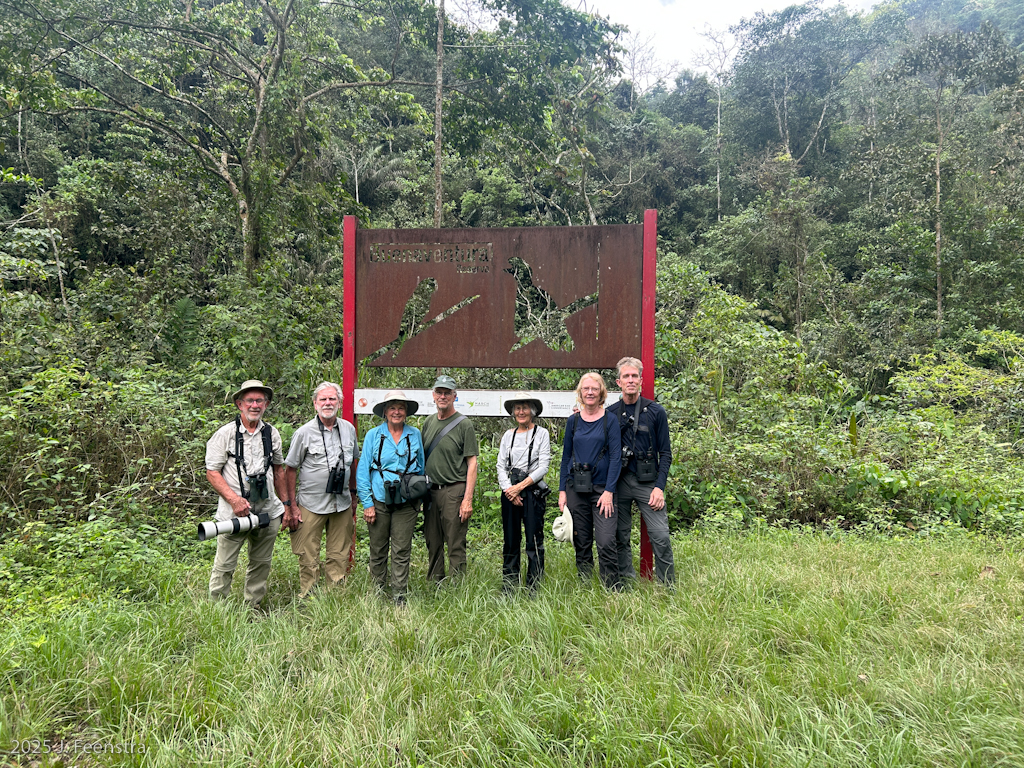
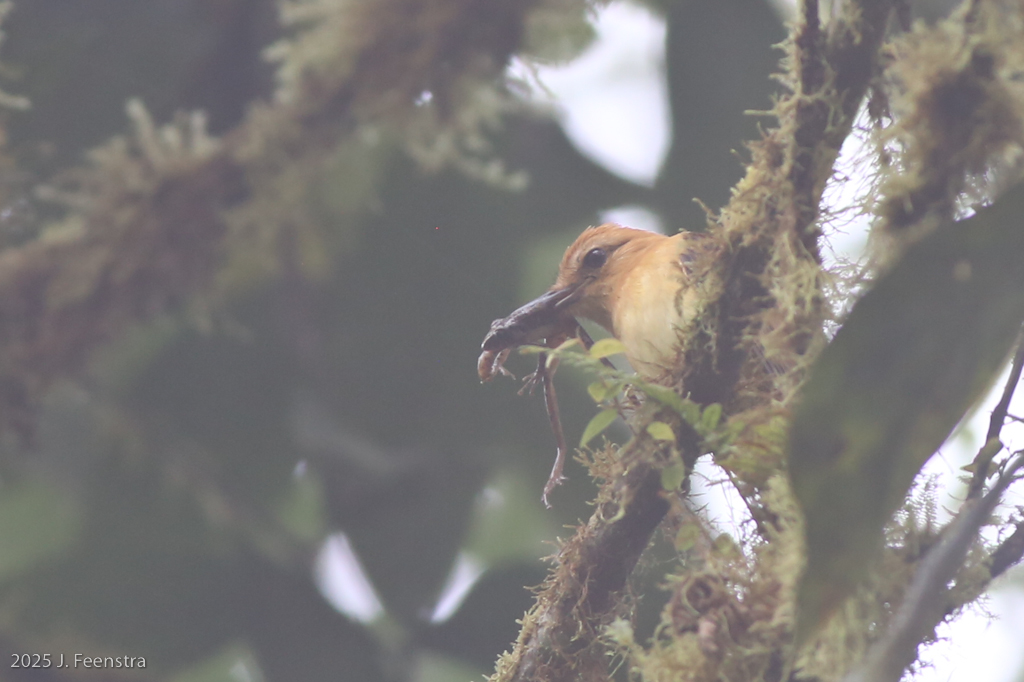
The rainforest didn’t fail to delight. The private forest reserve protects not only a critically endangered habitat (Pacific lowland rainforest), but also critically endangered birds, particularly El Oro Parakeet. Though parrots and parakeets are often just heard and seen flying over, our experience with them was thorough as we saw them perched, flying, calling, re-perching, flying around some more, and calling more. Eight individuals in all, it was sizable percent of the entire population. The parakeets don’t actually live in the interior forest, however, so after parakeet watching, we made sure to spend time in the deep dark woods. The humidity, the trees drenched with moss and covered with hanging vines reinforced the vibe of the place. We encountered some forest flocks with some bright birds and some less bright ones. Some of the brighter ones were both Collared and Gartered Violaceous Trogons. Sort of bright was an Ochraceous Attila carrying a frog, presumably back to a nest. We ended with day with two displaying Long-wattled Umbrellabirds just before the rain started.

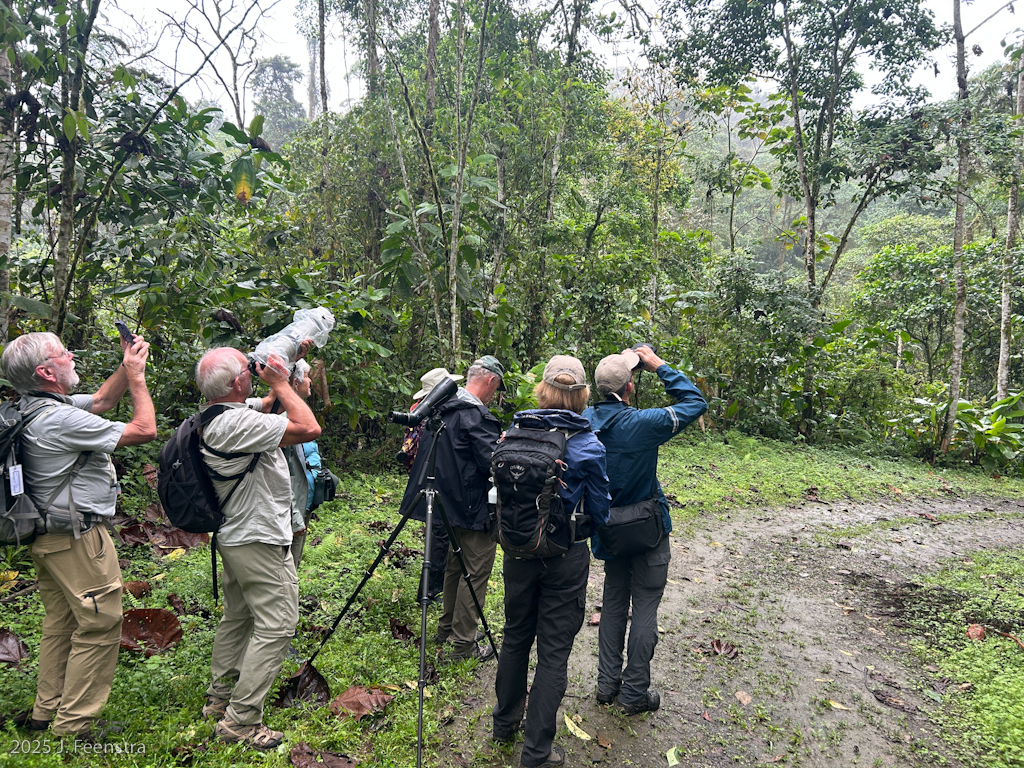
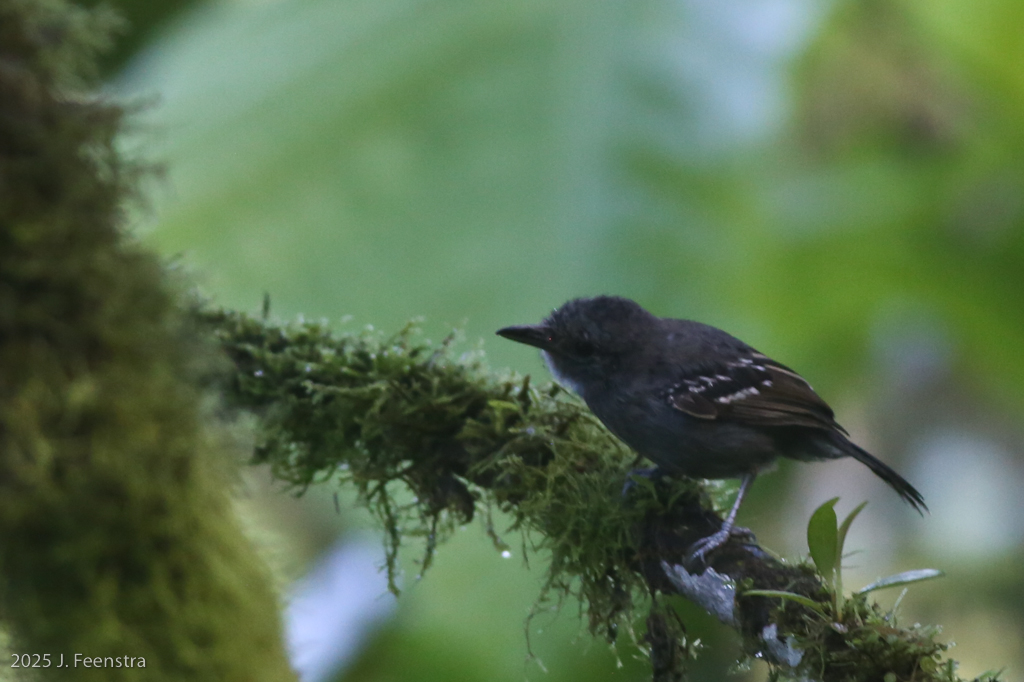
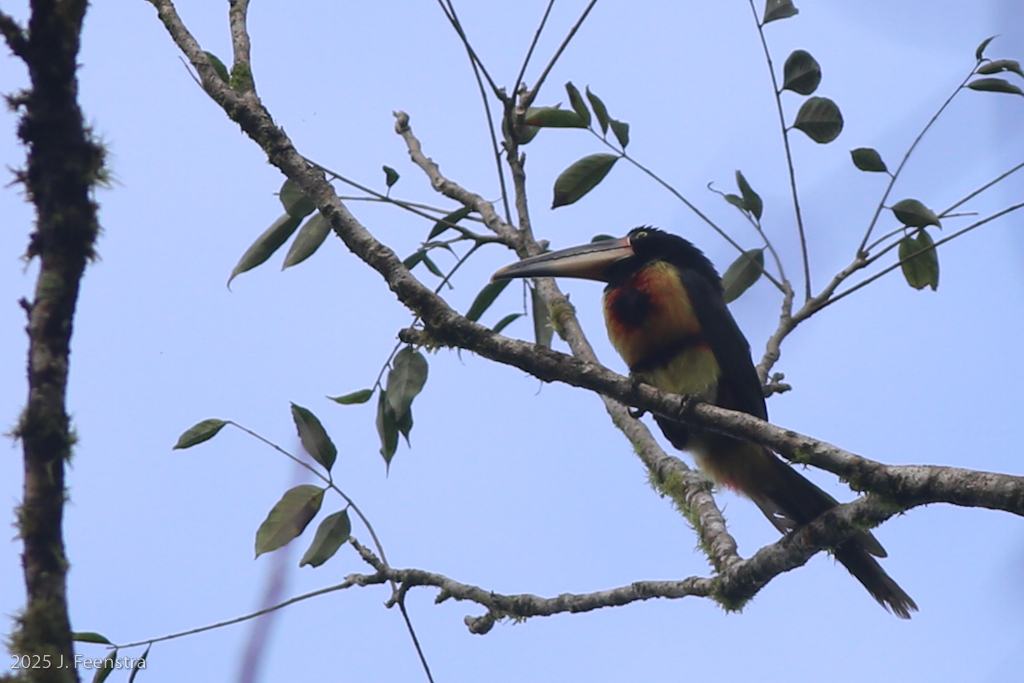
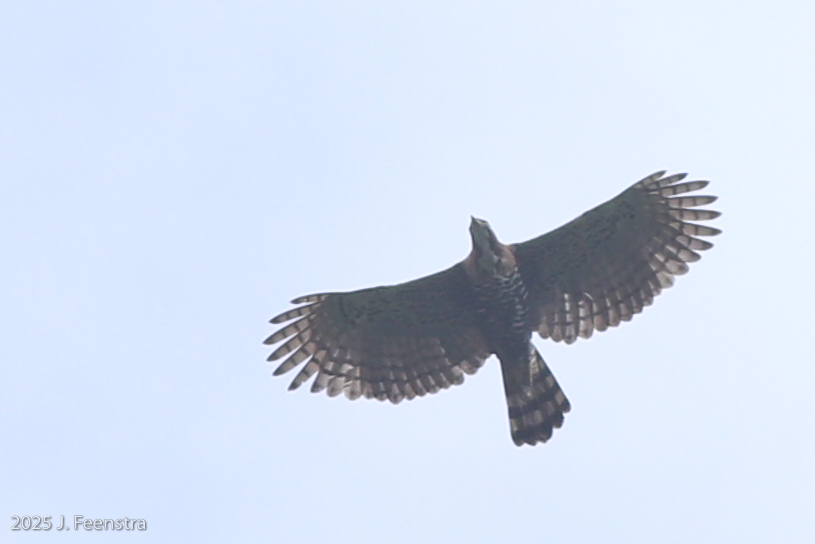
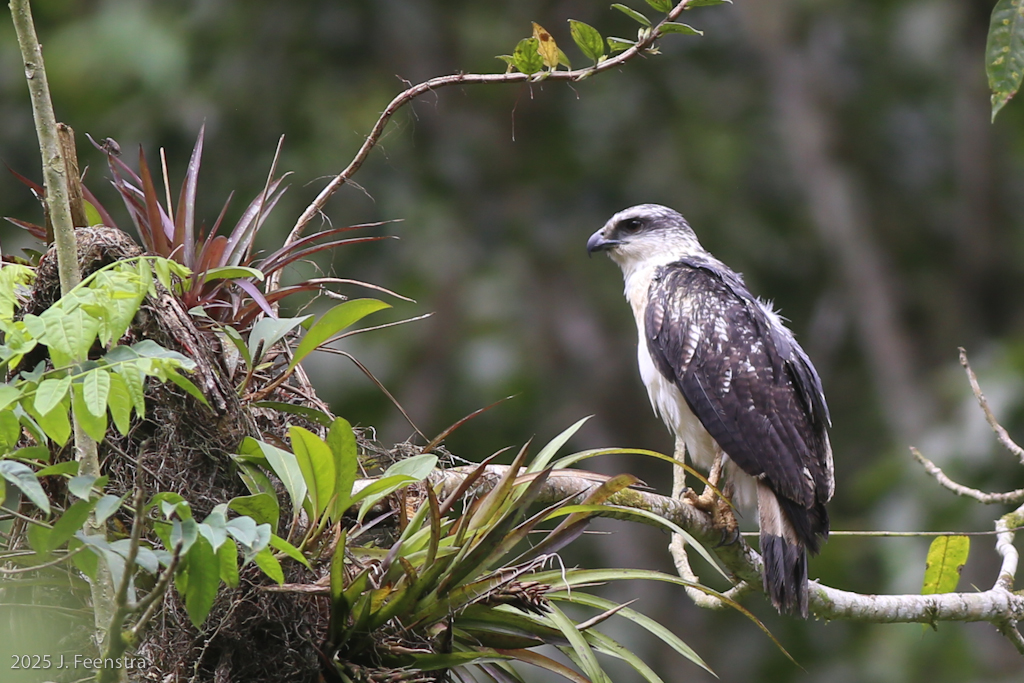
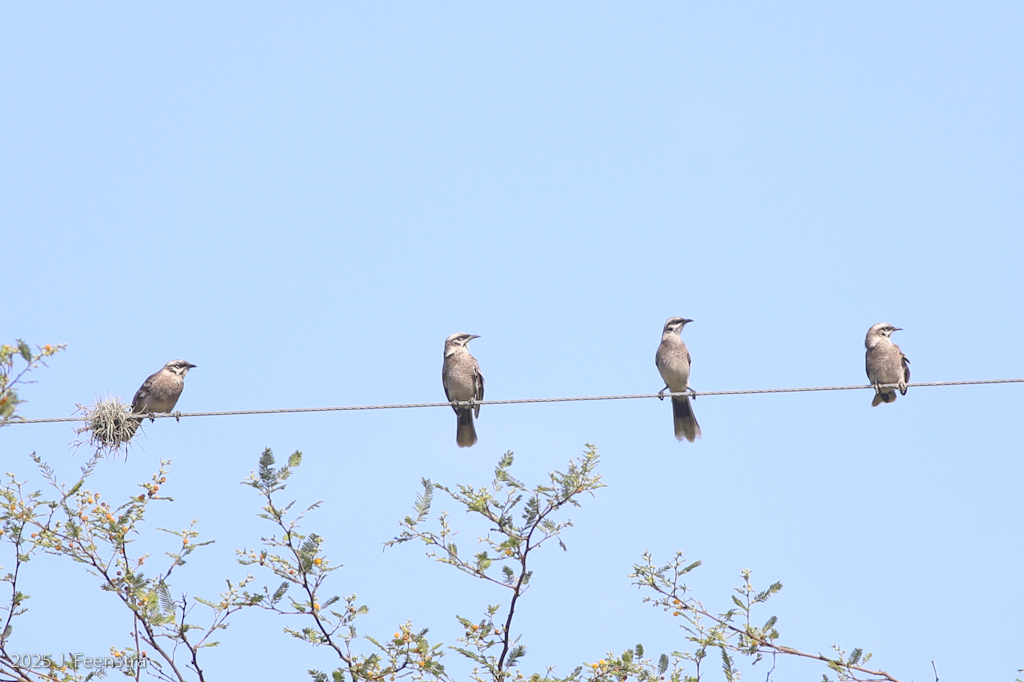
The final morning of birding the Pacific lowland rainforest was clear and sunny (unlike the previous day of intermittent fog and rain). As such, soggy hawks dried their feathers and took to the sky. We saw a diverse crop of raptors including Short-tailed Hawk, Gray-backed Hawk, Plumbeous Kite, Gray-headed Kite, and an unexpected Ornate Hawk-Eagle all in the space of about ten minutes. Meanwhile, in the forest we worked on some antbirds, saw briefly, but heard well the wild tootlings of a Song Wren, and were dazzled visually by some colorful birds, as well, like Yellow-tufted Dacnis and Pale-mandibled Araçaris. Leaving the rainforest for the dry forest was a drastic change. We now saw hordes of White-browed Gnatcatchers and Long-tailed Mockingbirds before arriving at Urraca Lodge in the Jorupe Reserve for the next two days.
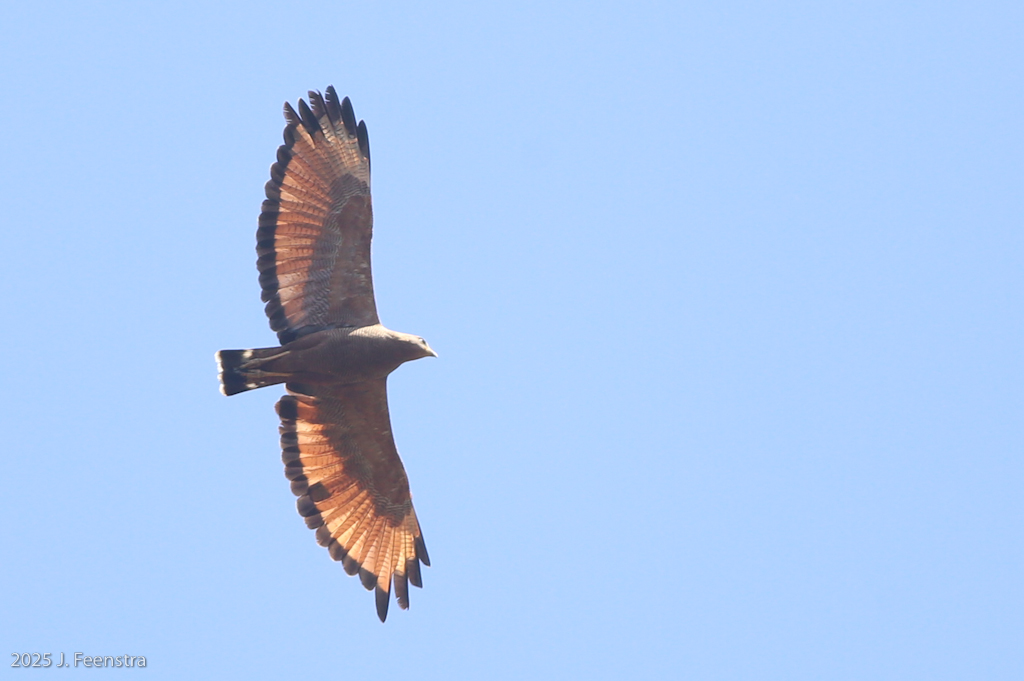
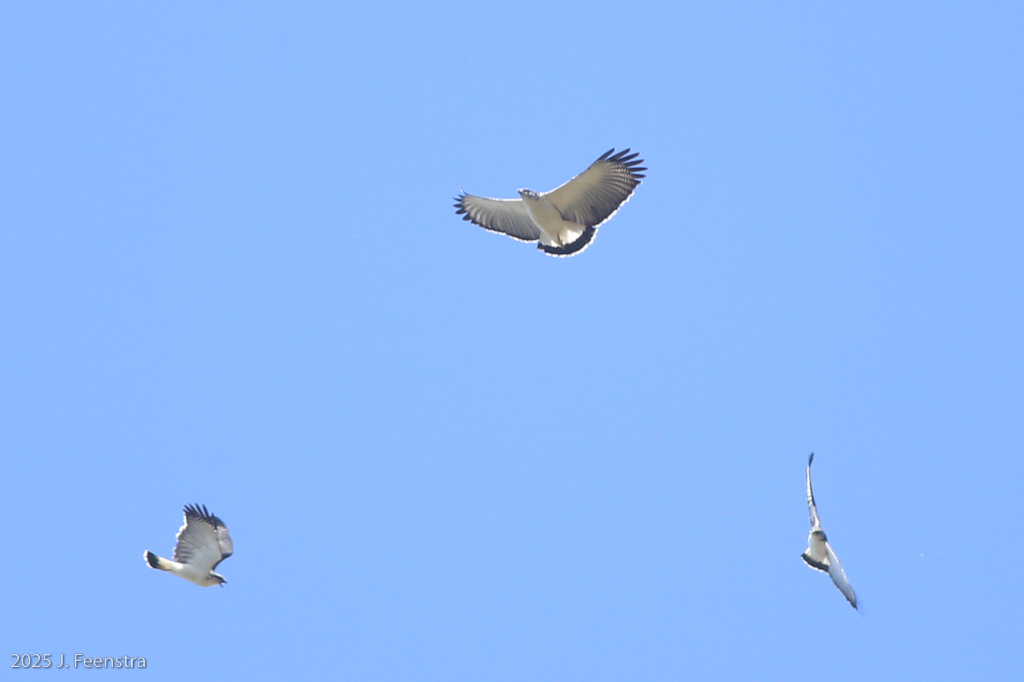
After some recent rains, the dry forest was a little greener than it often is in this, the dry season. Some birds become more active and others less, and the added leaves are pretty but can get in the way. Whatever. We came to bird. Our morning was busy, starting with Ecuadorian Piculets, Speckle-breasted Wrens, Scarlet-backed Woodpeckers, and Chapman’s Antshrikes. We tooted a pygmy-owl to bring in some birds, which brought in a couple of Peruvian Pygmy-Owls, and then a good mob of little things including Tumbes Pewee and Tropical Parulas. The Long-billed Starthroats were pretty cool, too. Looking up we saw three Gray-backed Hawks circling with a Savannah Hawk. And, looking down, we saw two Watkin’s Antpittas walking along a log and jumping around in the leaves. The afternoon started slow, as the hot midday is oft to do, but we ended up with an Ecuadorian Trogon then bumped into a nice little flock that included an improbable Red-billed Scythebill and a sharp Collared Antshrike.
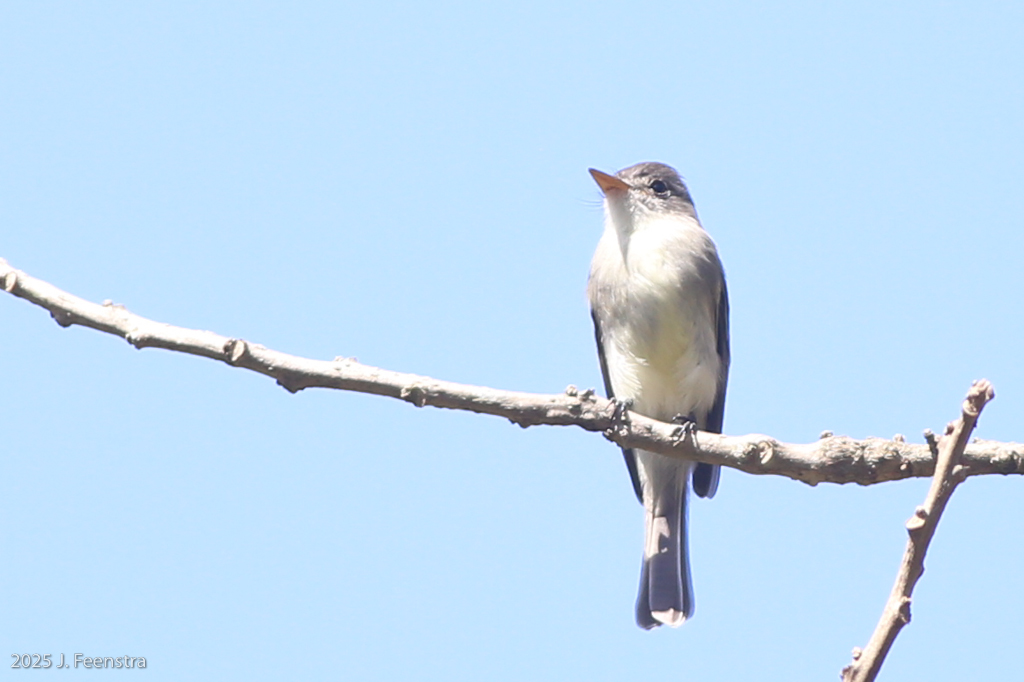
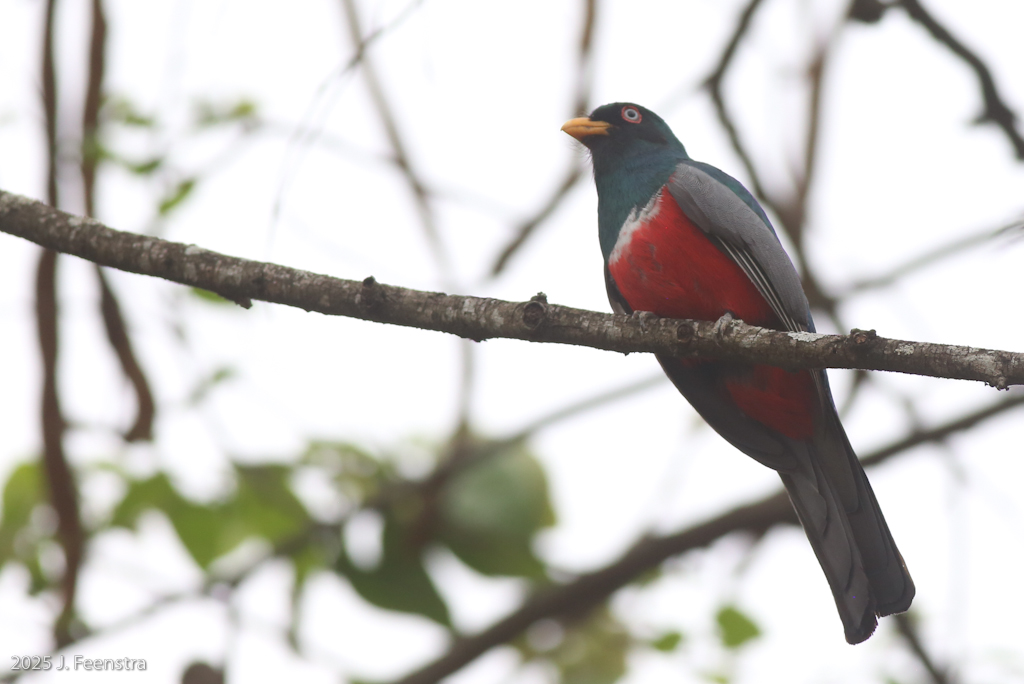
The following day we spent in different sorts of dry habitats. We woke up in the tropical deciduous forest at low elevation (650m). We then traveled uphill to the stunted, dry, but mossy forest at 2500m. It was pleasantly cool with overcast skies and little patches of fog hanging onto hillsides in the panoramic view. There were some hummingbird feeders out and we got to see the rainbow of Rainbow Starfrontlets as they buzzed around and chased away competitors to the nectar. We also happened upon a Red-crested Cotinga perched atop a tree. We then descended a little and spent the afternoon in the dry thornscrub habitat around the town of Catamayo. It started nicely overcast and relatively cool, but got hot over the course of the afternoon. No matter, though, we still found some birds including specialties of this area the striking, but difficult Elegant Crescentchest as well as a more subtle, but still beautiful Bay-crowned Brushfinch. After that, we finished the day rolling into the city of Loja for the night before continuing on into the mountains.
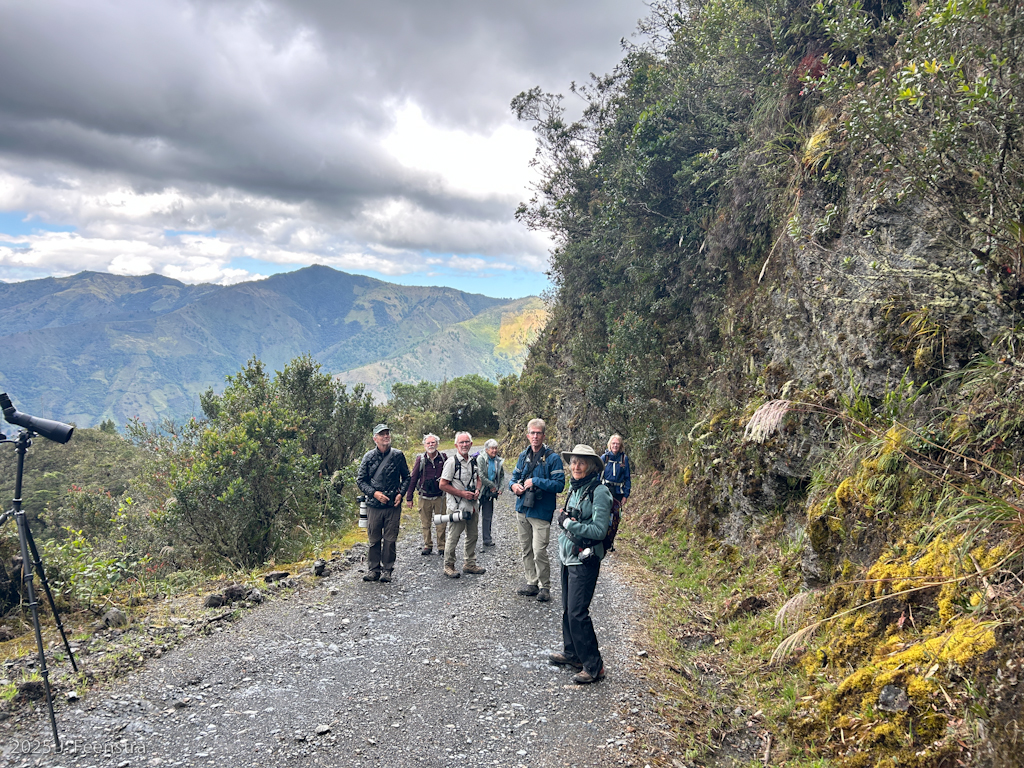
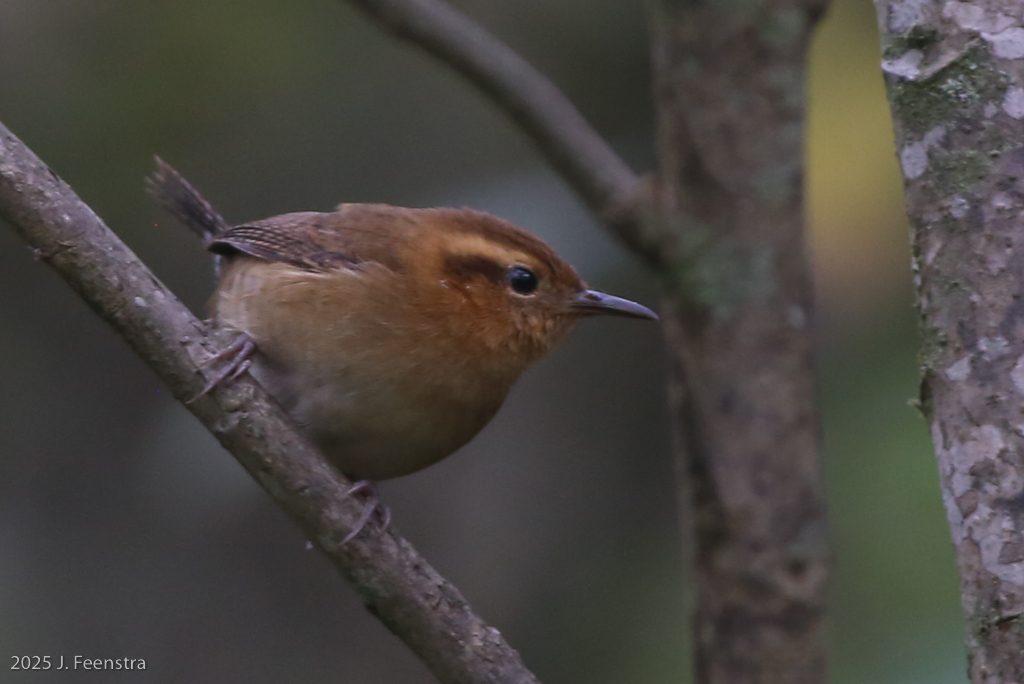
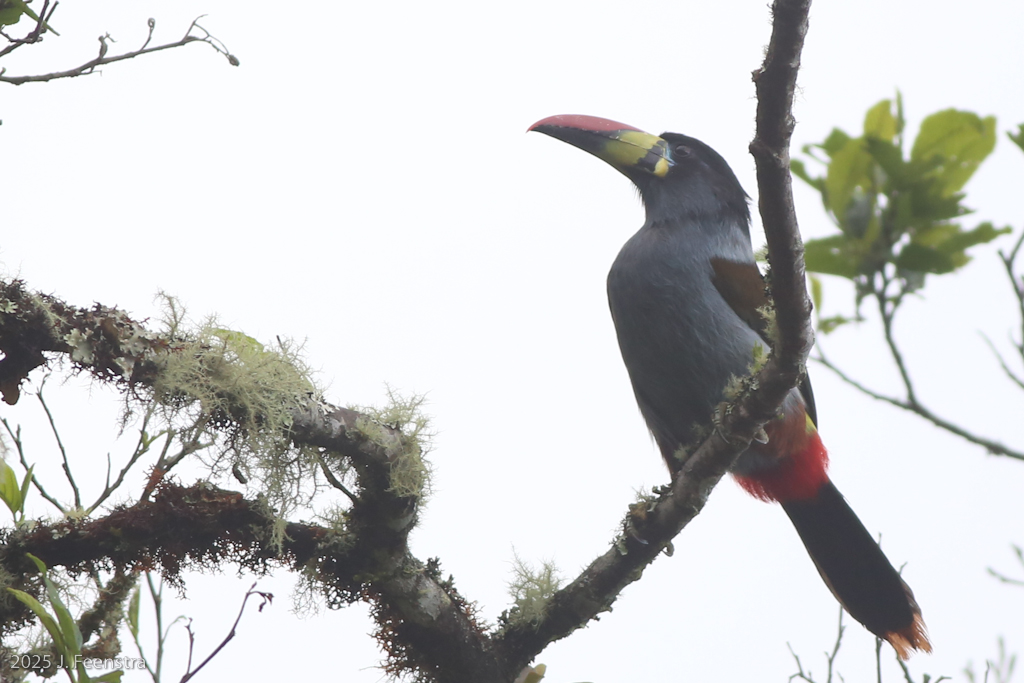
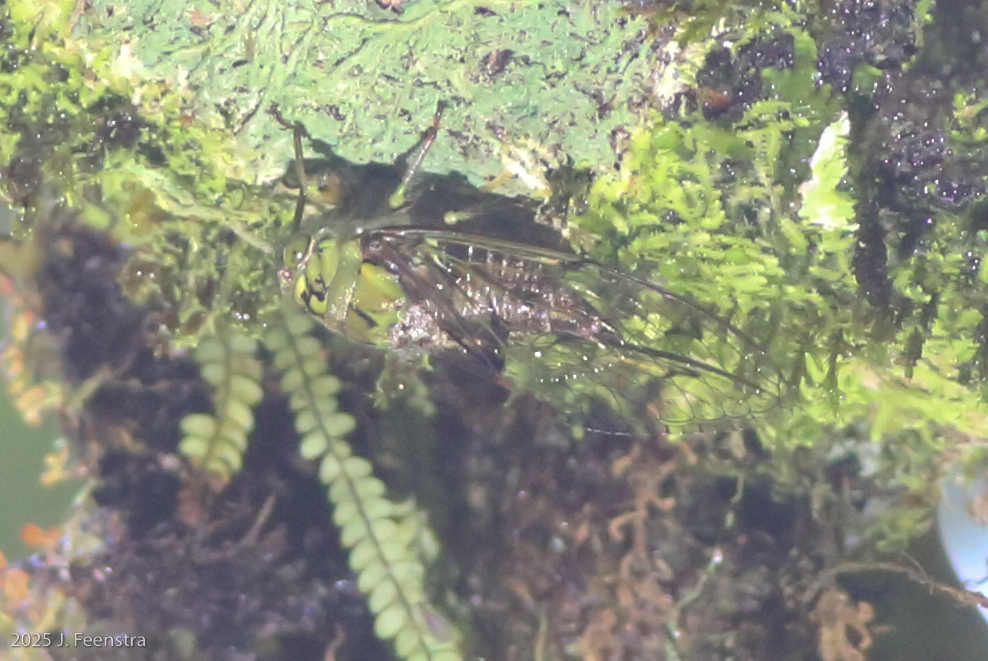
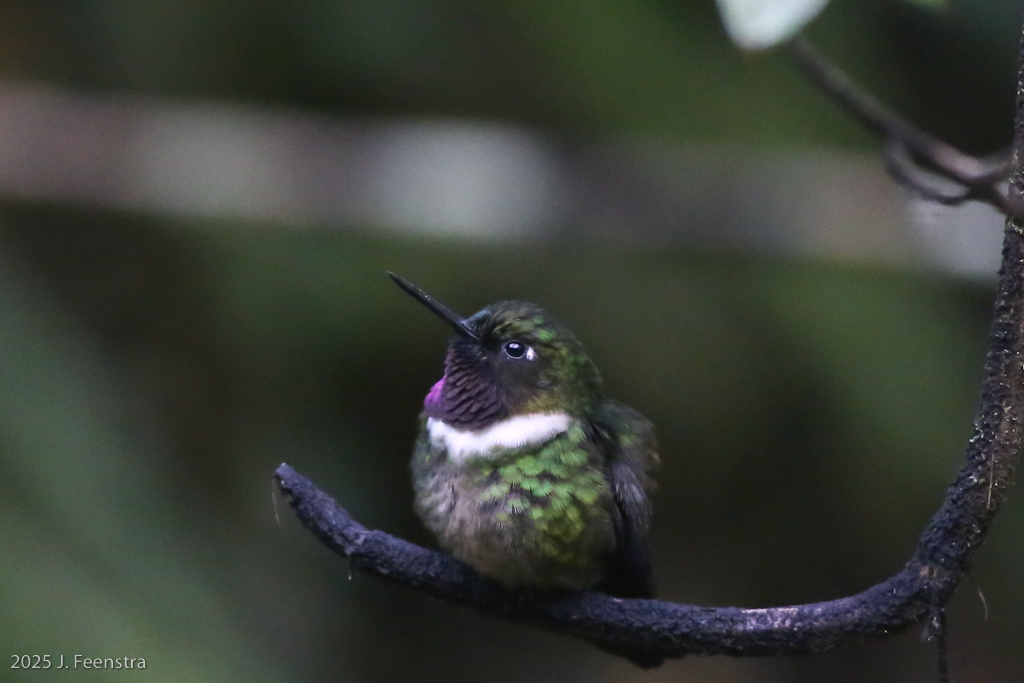
From Loja we traveled a short distance to the entrance of Podocarpus National Park, which was closed until 8AM. Since it was 6:45, we just walked down a dirt road across the highway to do some improvisational birding. It was a good move. We had nice looks at a Chestnut-crowned Antpitta. We also watched a confusing fight between a Blackburnian Warbler and a Rainbow Starfrontlet. When the park opened we drove up the entrance road until we got to a pretty nasty washout, so stopped and began our birding there. It was a good move and we ran into some specialties as well as a mixed flock. The mixed flock had both Rufous-breasted and Yellow-bellied Chat-Tyrants among various other quick-moving little things. Not little at all were two Gray-breasted Mountain-Toucans that showed nicely and displayed their many colors. While scanning the dark foliage with a thermal scope we came upon a strange hot spot on the underside of a high branch. Speculation ranged from a tiny bat to a small nest entrance. Finally, a close inspection revealed it to be a cicada. A hot cicada. One mystery solved while another piqued. We ended the day at Casa Simpson in the Tapichalaca Reserve watching the hummingbird feeders. Mobs of Chestnut-breasted Coronets and a few Collared Incas and Amethyst-throated Sunangels were doing battle for the goods.
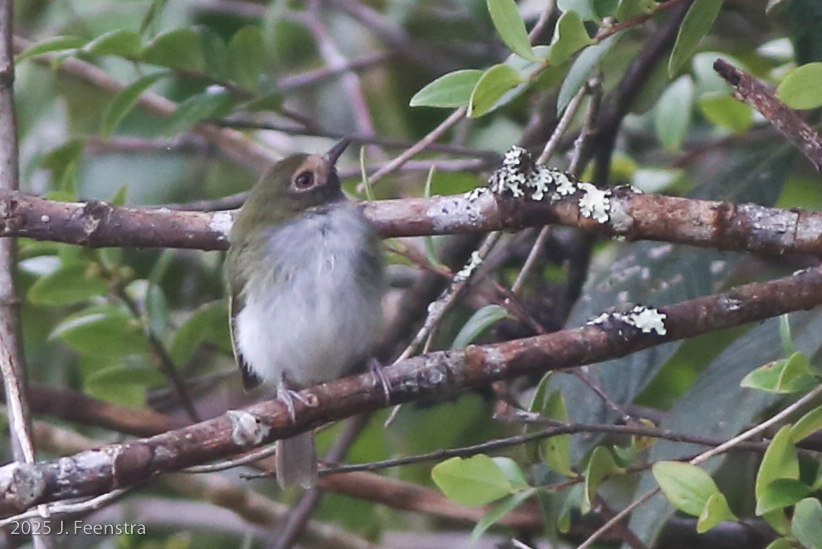
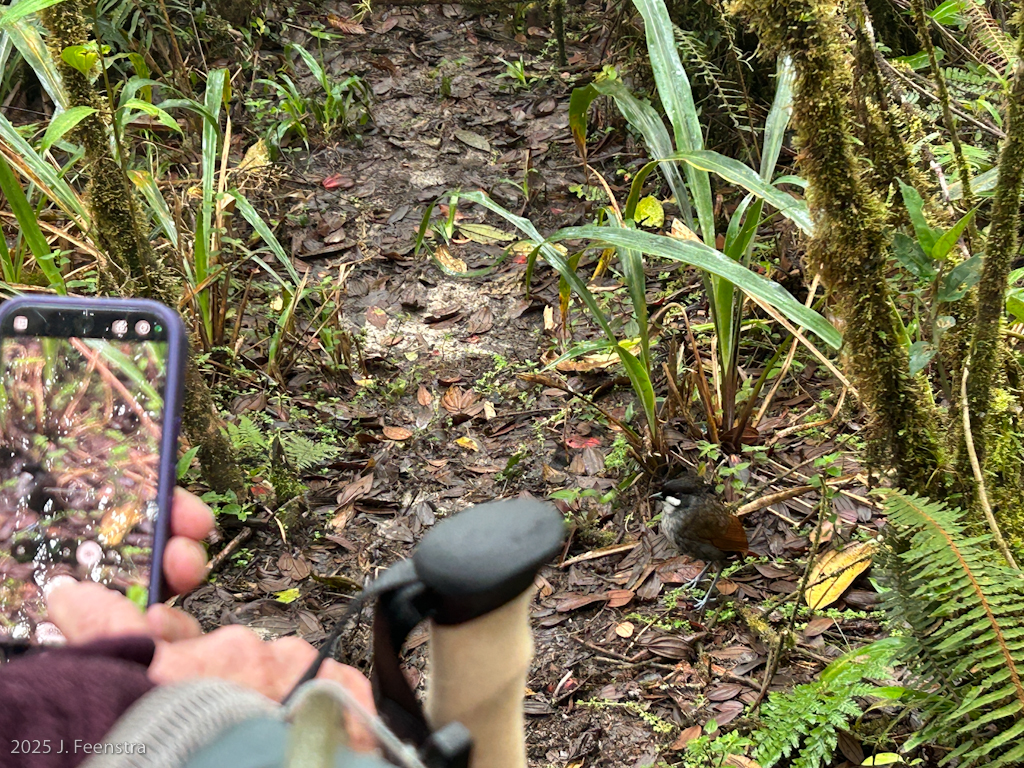
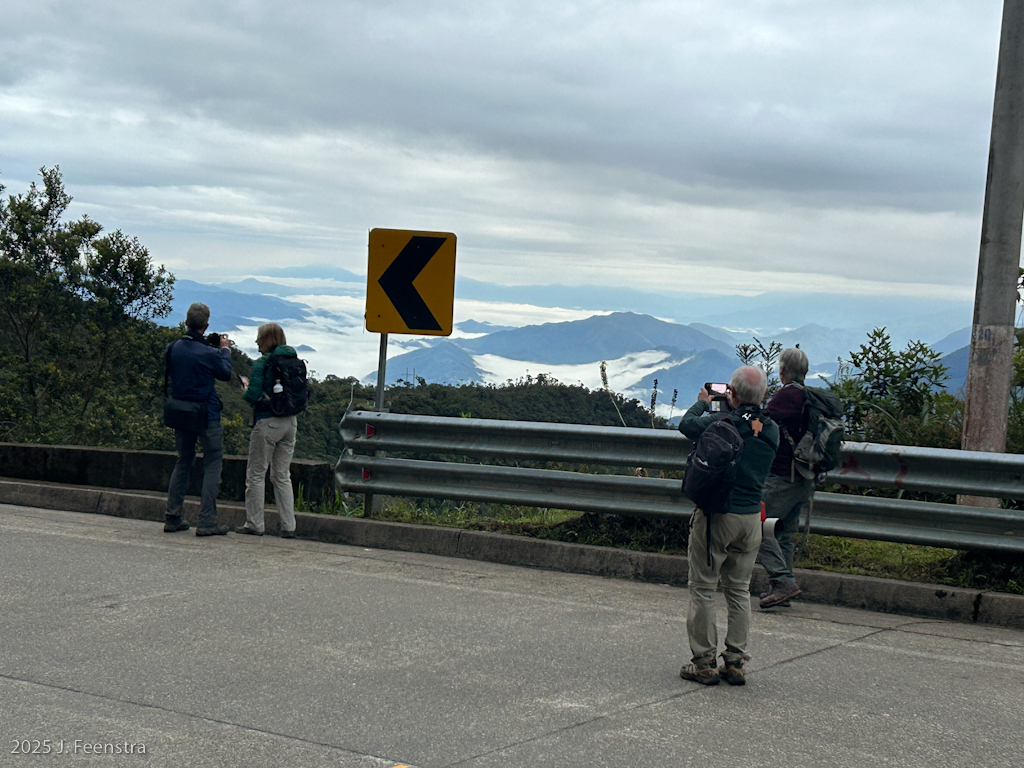
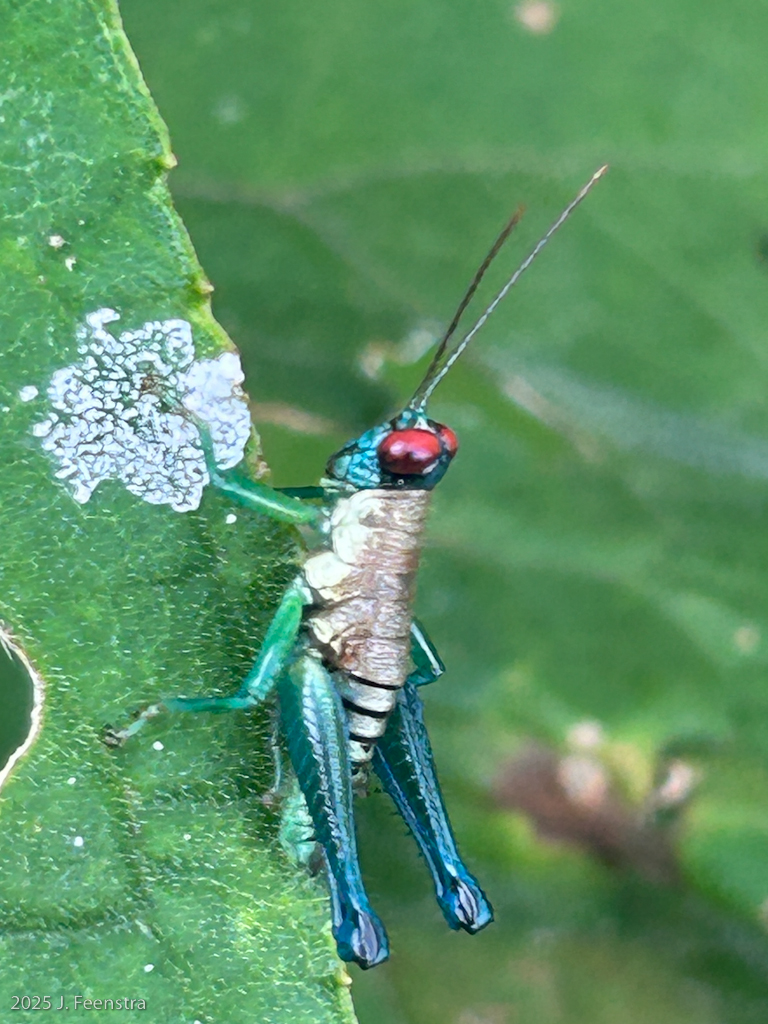
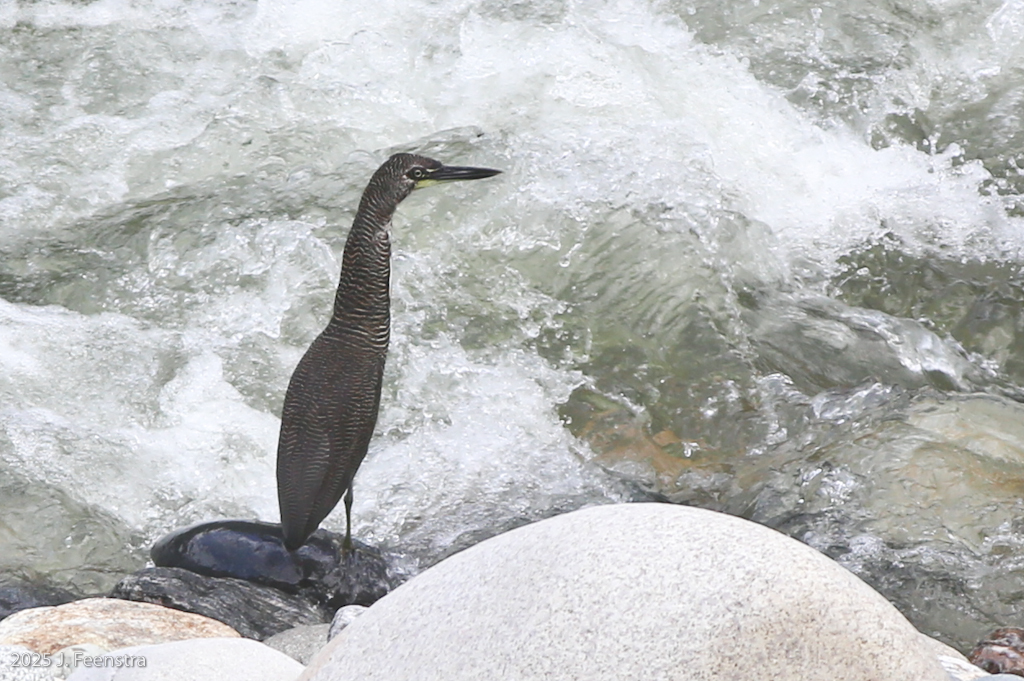
Though our next day was dominated by The Big Guy, Señor Jocotoco, there was a lot more to it. It rained most of the day, but it was mostly just foggy on our walk into the forest to the location where a Jocotoco Antpitta is being fed worms by one of the lodge staff. We didn’t just get one, though, we got three, and they were ready for food. We had amazing looks at this rare and normally skulky forest bird in exchange for some earthworms. Heavier rain had us mostly on the lodge porch most of the rest of the morning, but a few lulls brought in a mixed flock and had us out wandering the grounds. When birds weren’t around we looked closer at the forest around us and found more interesting things: the myriad orchids, leafhoppers, flies, beetles, moths, and other tiny scenery that was as fascinating and diverse as what we saw through our binoculars. In the afternoon, we tried getting below the rain by dropping into the lower elevations of the Maranon valley below us. It mostly worked and the rain cleared shortly after we arrived. On the way down we crossed a bridge over a raging muddy river and saw a pair of Torrent Ducks perched on rocks perhaps even out-matched by this torrent. Once out walking around we encountered some Amazonian birds like Paradise Tanagers and Green Jay and our first white-winged Blue-gray Tanagers. Good stuff and a preview of what will come in our next days birding the Amazon slope.
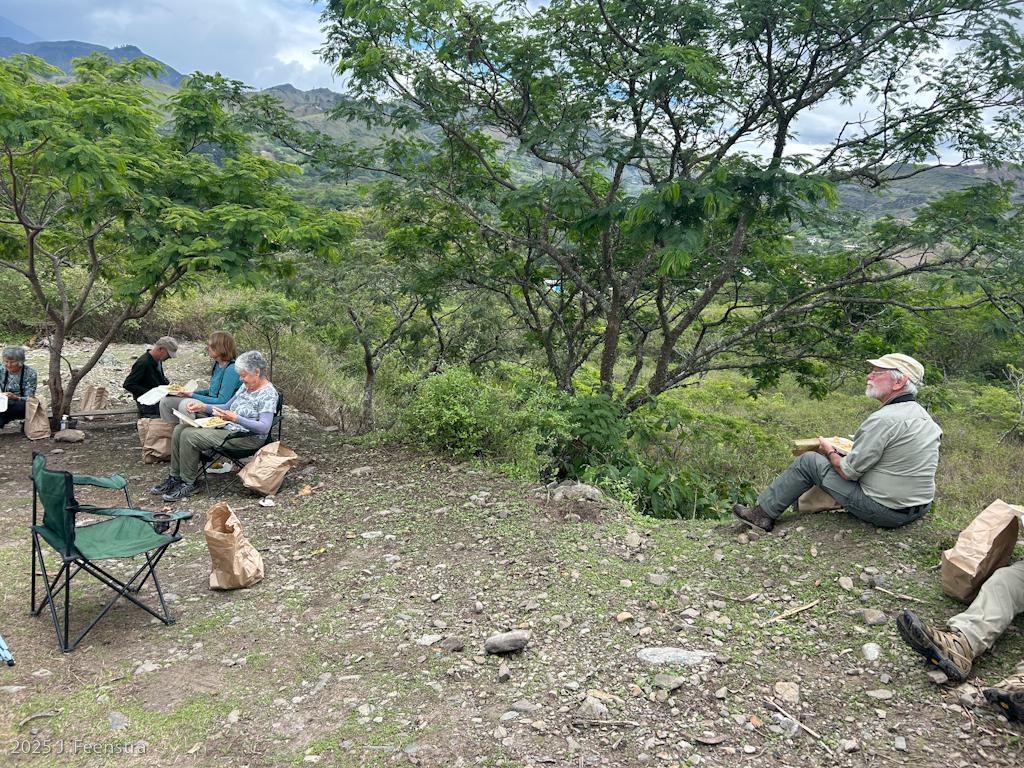
Leaving Reserva Tapichalaca, we crossed the continental divide twice. Before that, however, we spent a final morning birding the cloud forest. We saw dozens of the local Golden-plumed Parakeet screeching around and even perching a few times. In the forest we found a few mixed flocks including some classic cloud-forest birds like Beryl-spangled and Metallic-green Tanagers. Then we crossed the continental divide the first time this day back onto the Pacific slope and into the Vilcabamba valley. Our picnic lunch stop was also a birding stop and we all got on a singing Elegant Crescentchest shortly after finishing our pasta salads. We then crossed the city of Loja, turned east, and crossed the Continental Divide again back into the Amazon watershed. We saw a couple more Torrent Ducks in the river on the way down hill, then we arrived in Zamora and at Copalinga Lodge in the foothill rainforest. We were confronted with an entirely new set of hummingbirds at the feeders and in the garden including diminutive Little Woodstar and Gray-chinned Hermit among the larger set. It was a perfect way to settle in for the next two days.
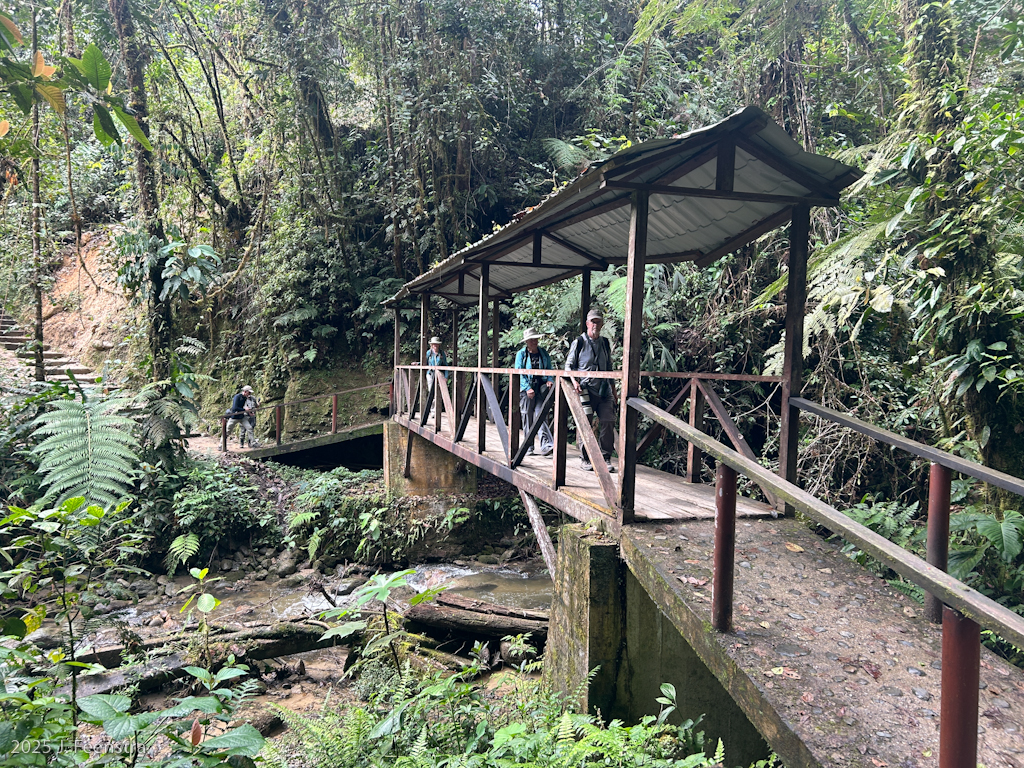
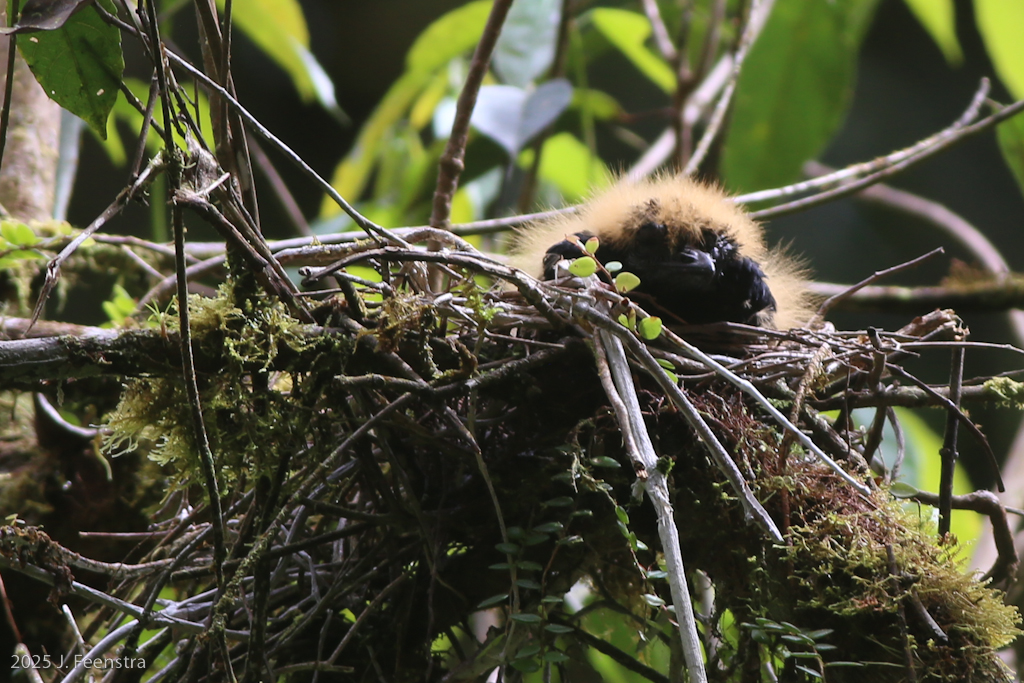
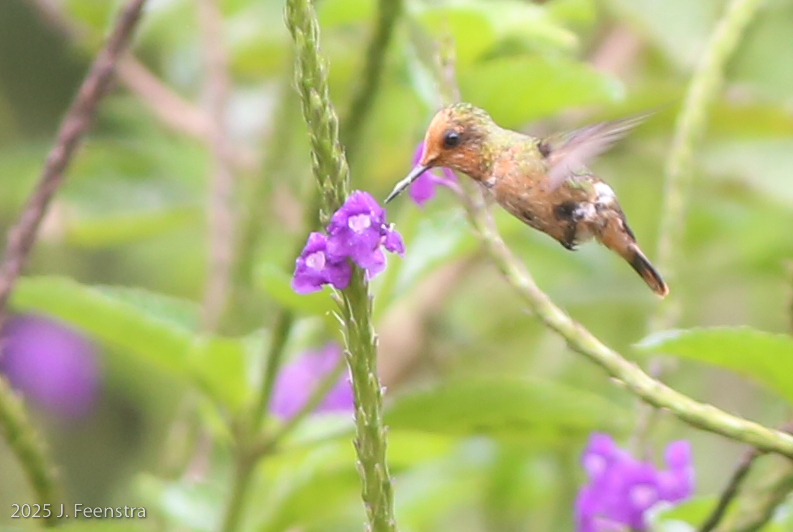
The Amazonian foothill rainforest offered up many new birds for us, having spent most of the trip so far on the Pacific slope. Paradise, Golden-eared, and Green-and-gold Tanagers were new. Coppery-chested Jacamars and Andean Motmots were each our first species of those two families. We were pleased to see a couple of Amazonian Umbrellabirds along the trail, but then even more pleased when one of the park staff showed us their nest. A large, fuzzy, and, frankly, quite ugly nestling sat atop a shallow assemblage of sticks. Back around the lodge the verbenas in the parking lot had Wire-crested Thorntails, including a displaying male, as well as a Spangled Coquette. It was a good, full, hot and sticky day.
That was really just the beginning of our Amazonian portion of the tour. We continued today with some more foothill birding, this time along a mountainside road that allowed us to look out over the canopy and its birds instead of directly up at them. This worked out nicely as we had some tanager flocks including outrageous Paradise Tanagers and electric-green Orange-eared Tanagers. From there we continued into lower country. We made a roadside stop in an outwardly unremarkable-looking spot of fragmented forest and encountered a nice bit of birding chaos. There were new tanagers, like Masked, Turquoise, and Yellow-bellied, and also bulky Violaceous Jays and a nice study of a Duida Woodcreeper. We ended the day at Cabanas Yankuam, our lodge for the next two days of birding the Nangaritza Valley and the Cordillera del Condor.
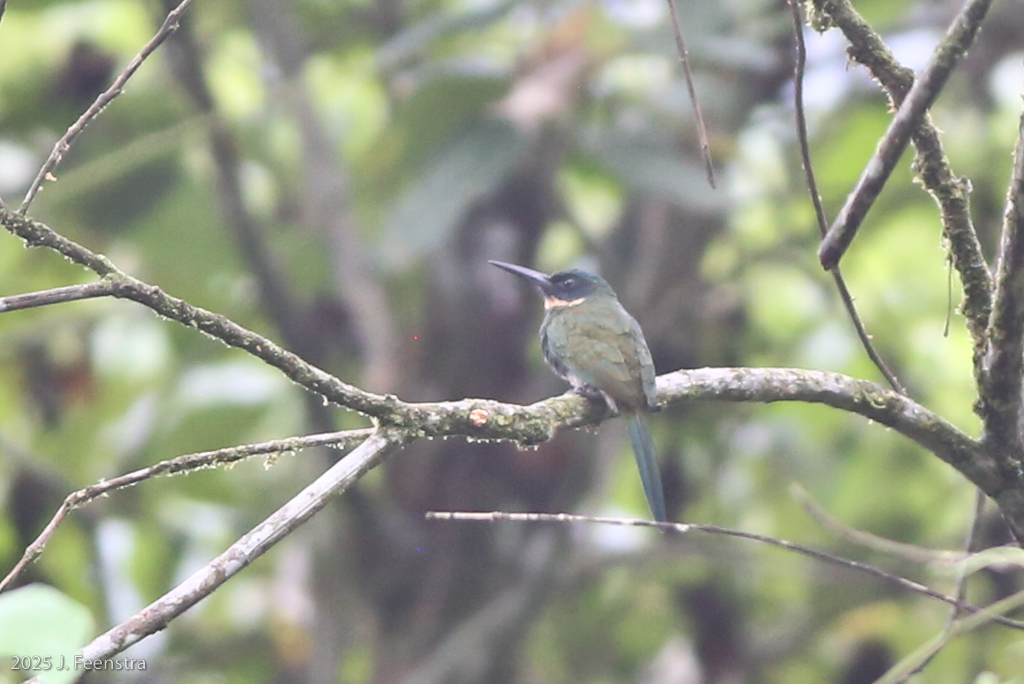
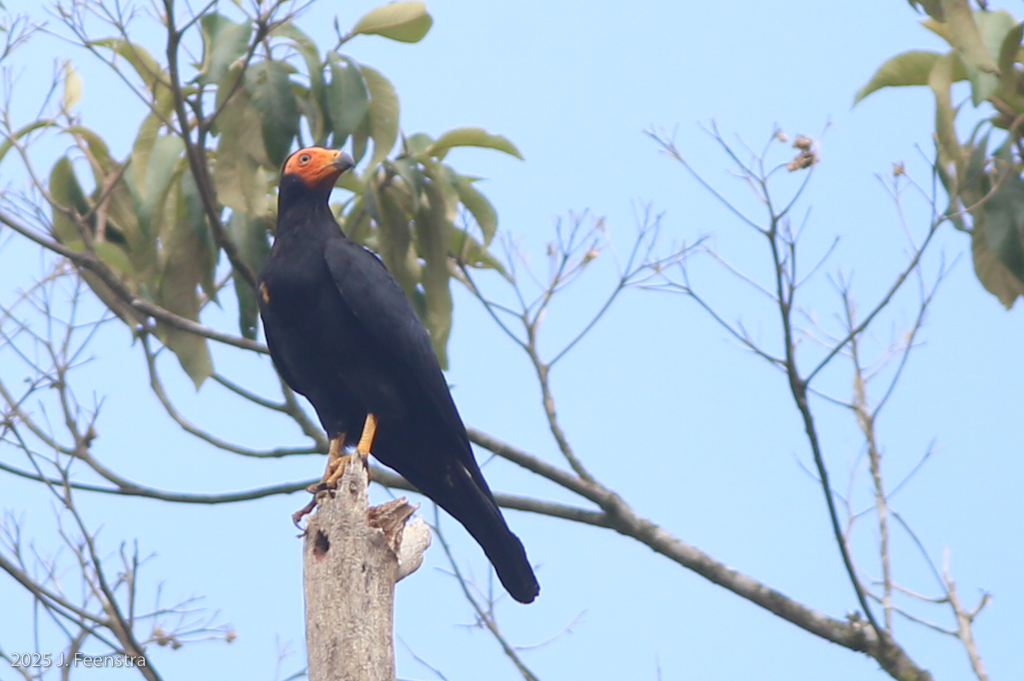
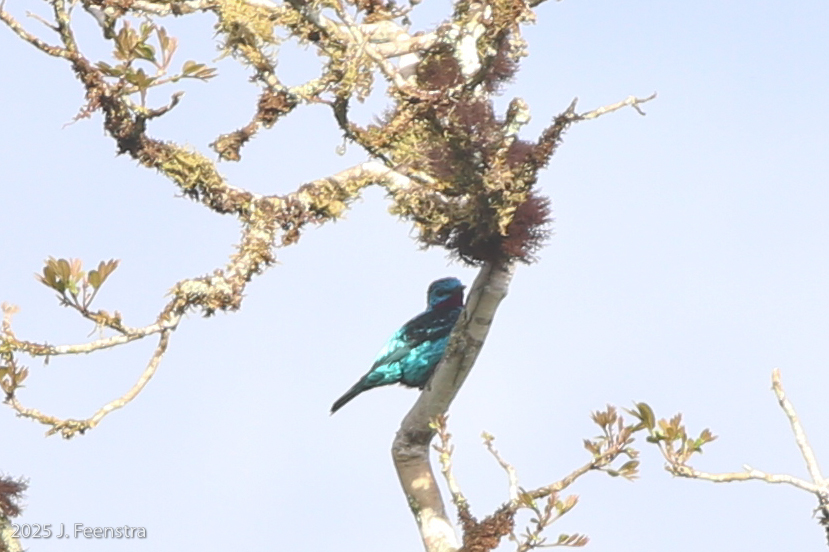
The Cordillera del Condor lies at the far southeastern corner of Ecuador at the literal end of the road. Its avifauna is most similar to that of the lowland Amazon, but also has its own special stuff. The tanagers, of course, were lowland tanagers, except for the special one, Orange-throated Tanager, that is endemic to this region. One was singing not long after we got out of the van and we found another, then another two a little later in the morning. It was a rare delight. Other birds of the lowlands that we found during the day and struck a chord were Purplish Jacamar, Yellow-tufted Woodpecker, and a Spangled Cotinga. The cotinga near the end of the day and the Orange-throated Tanager at the beginning were excellent bookends to a busy day in the forest.
Before we drove out of Amazonia and back into the highlands and the Pacific Ocean watershed we had our brief international adventure into the jungles of Peru. Perhaps unbeknownst to Peru itself, the road in the remote Nangaritza Valley just dips into Peru for a few hundred meters. We even ran into a man from the local Shuar community of Tsaik Nain who, while waiting for the bus, gave us a little family history and an explanation of the borderline. It’s a good excuse to walk a stretch, double-dip, and tick a few birds in another country. We had some good stuff, too, with Black-and-white Tody-Flycatcher a singular highlight. We did a little more birding back in Ecuador, but the rains came and washed out the rest for us. So, we hung out on the porch, then had some lunch, then hit the road for our drive to Loja. Though it was a long drive, we broke it up a little with some birding that produced our first White-capped Dipper at a waterfall. Then we were in Loja again for the night.
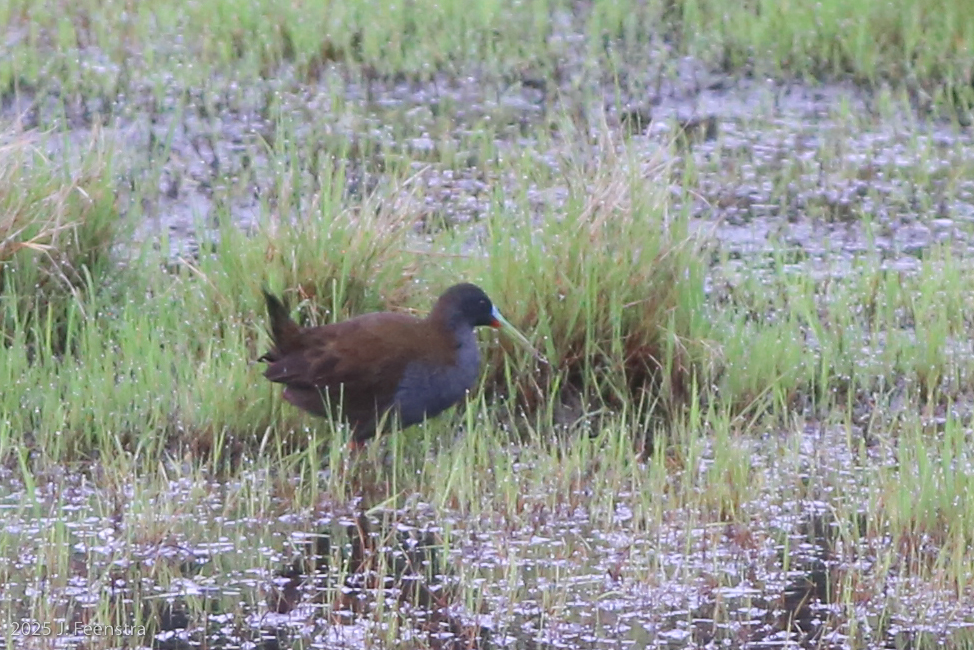
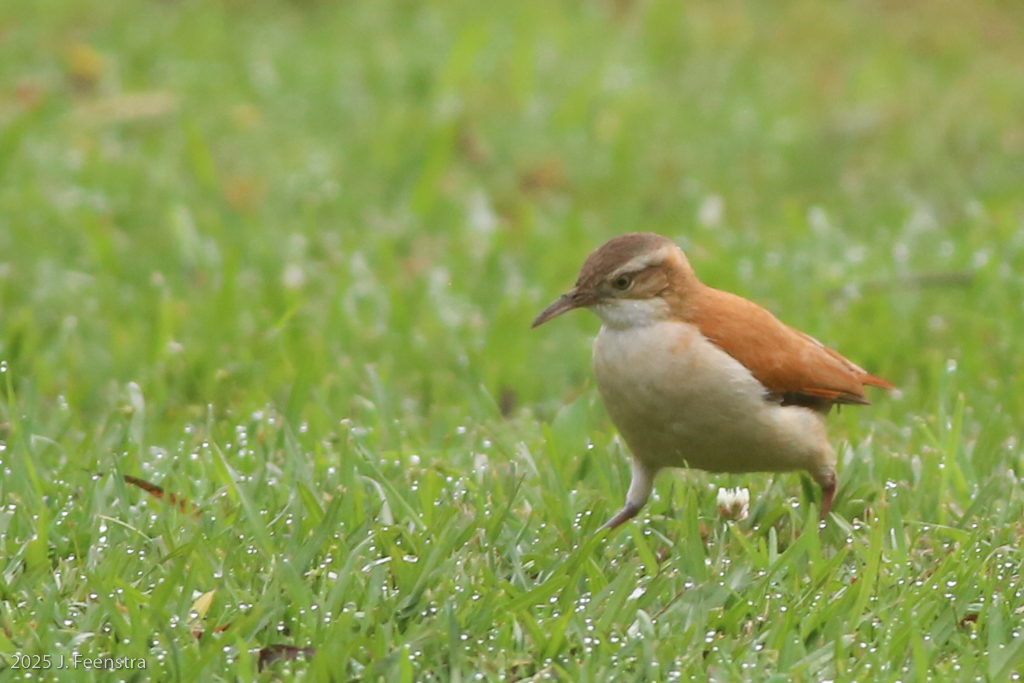
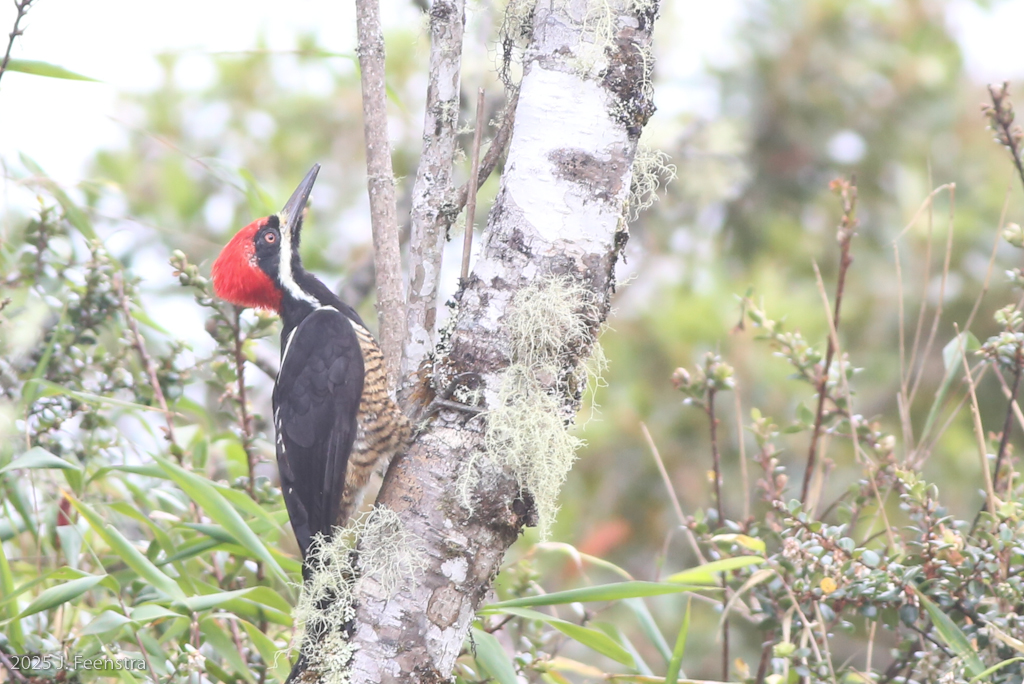
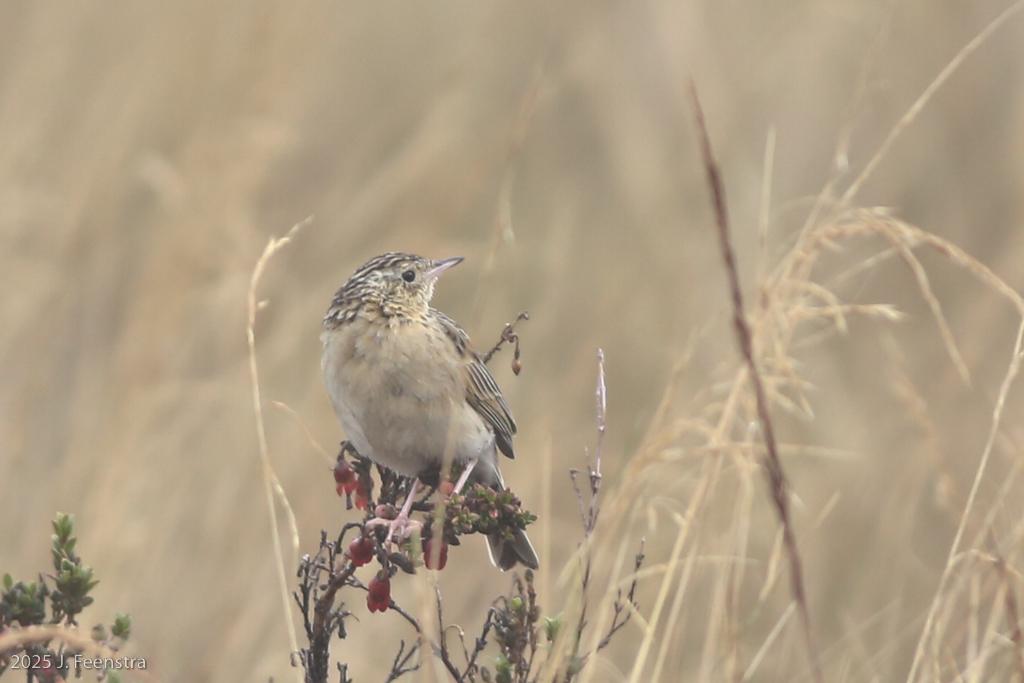
With Loja, already in the mountains, was our starting point to get up even further into the heights of the Andes. First, we started right outside of the city at a little park that in a few hours would be swarming with weekend Lojanos, but first thing in the morning it was quiet. There’s a nice lake and lawns and such, but also, right over the hill a little marshland that had several Plumbeous Rails. We didn’t need to do anything that might normally be used to see a rail. They were just out walking around poking in the wet grass. From there we ascended into elfin cloud forest and were exhilarated, but also frustrated, by fast moving flocks. However, we saw a male Powerful Woodpecker that made the morning. After a picnic lunch in the sunshine we then continued our ascent to Cerro de Arcos above tree line in the tussocky paramo. There was some blowing fog and light rain, usual conditions, but we used the remainder of our afternoon and got quick looks at a Blue-throated Hillstar and quite nice long looks at Black-tailed Trainbearer.
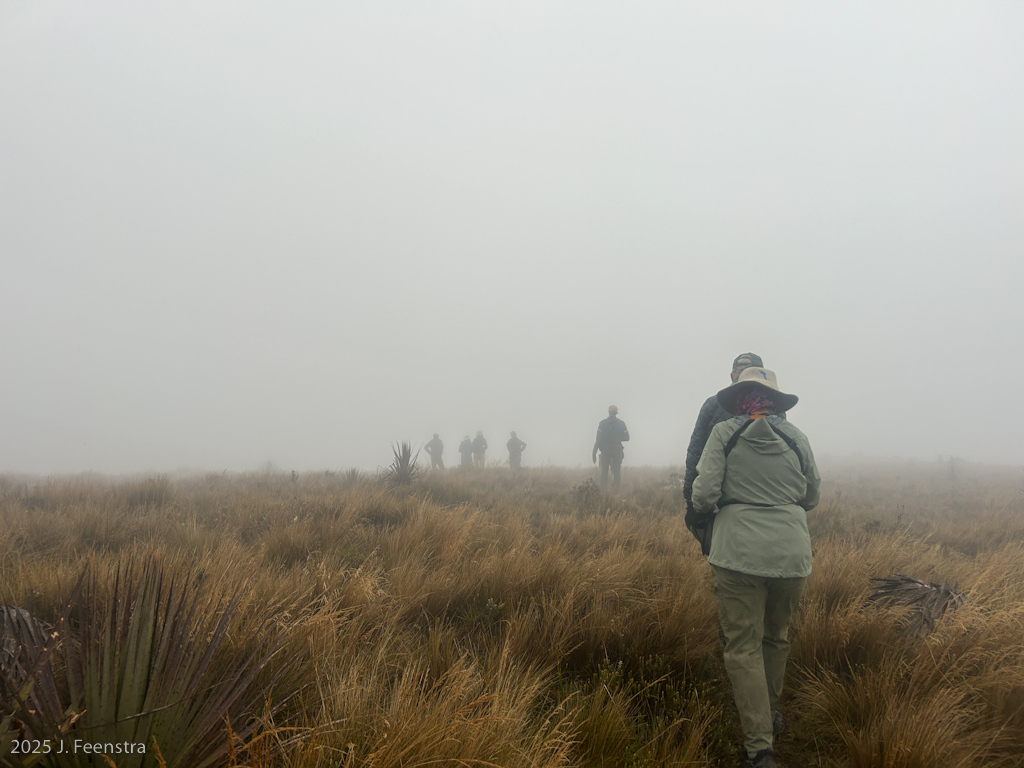
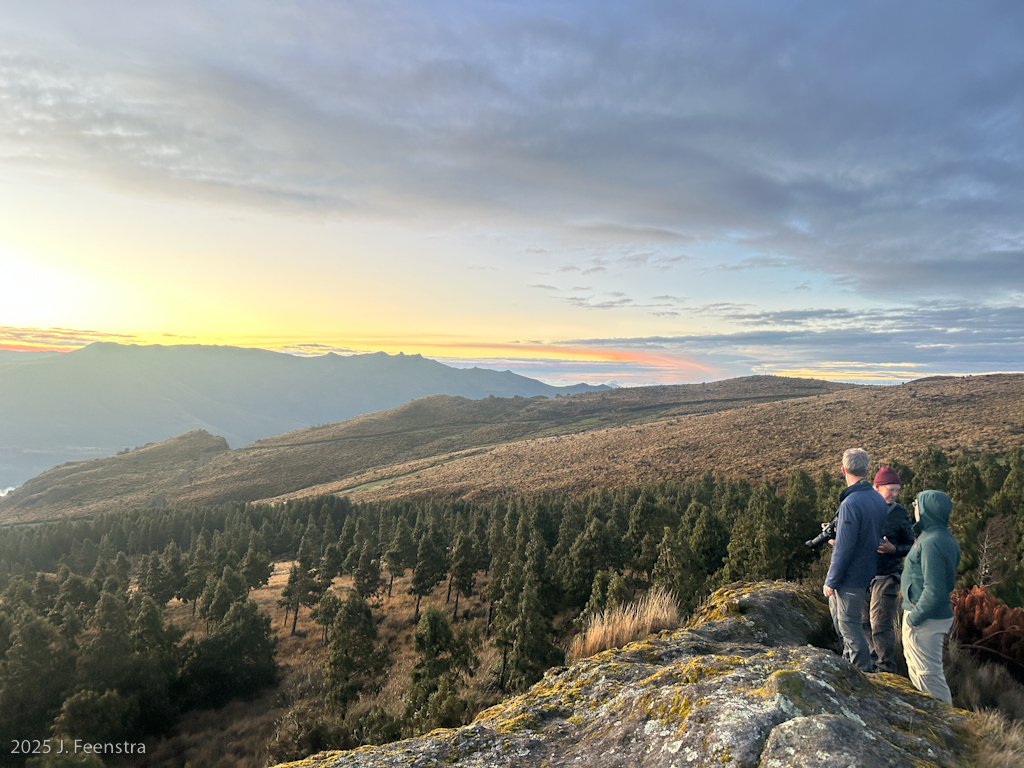
The daily contrasts continued the next day. We began in the dark and cold listening to the otherworldly sounds of Jameson’s Snipes displaying over the lodge. There was a low hum like a hovering drone followed by a loud cackle as the birds dove. Once the sun came up, it actually remained clear for a couple of hours as we wandered about the paramo. We reconnected with Blue-throated Hillstar, both a male that was zooming around, and a female that was off feeding on puya flowers. While positioned at the chuquiragua flowers waiting for the hillstar to appear, we also had a busy Mouse-colored Thistletail working some shrubbery at point blank range and a pair of Tufted Tit-Tyrants that were carrying food to a nest. Our final birding in the paramo gave us extended looks at a Tawny Antpitta on the side of the road. Then we descended about 2000 meters in elevation passing through dry, desolate desert in one of the many micro-climates of Ecuador. A stop in this habitat was very different birding, but still rewarding and we found a pair of Burrowing Owls in addition to the oddly proportioned Short-tailed Field Tyrant.
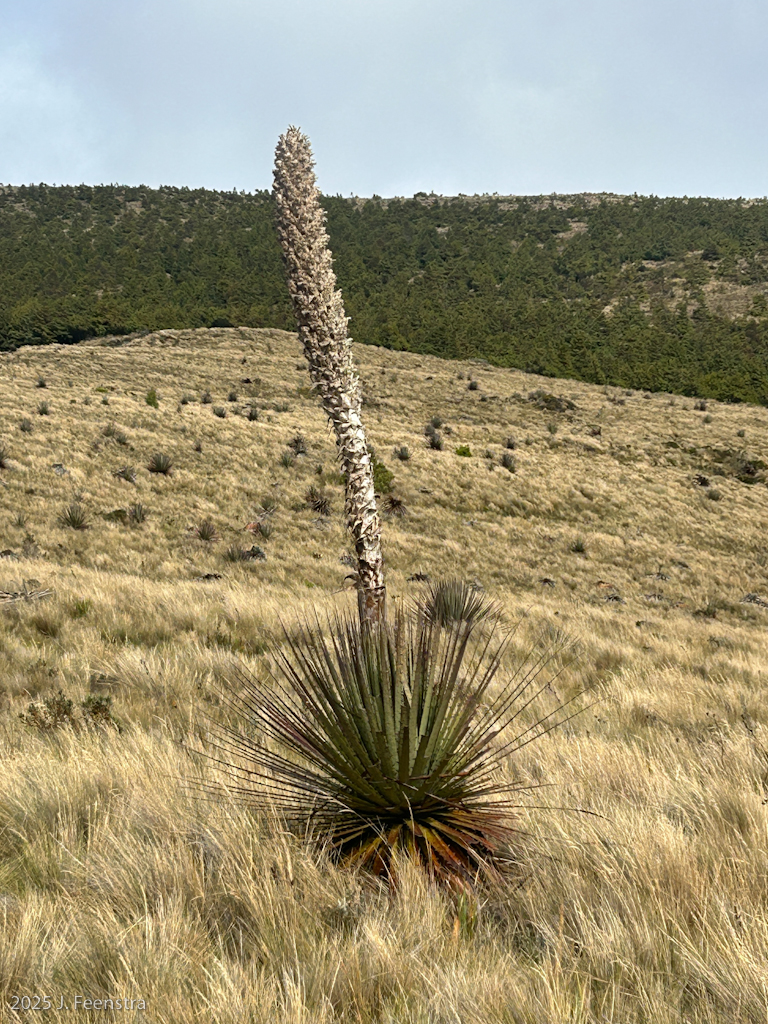
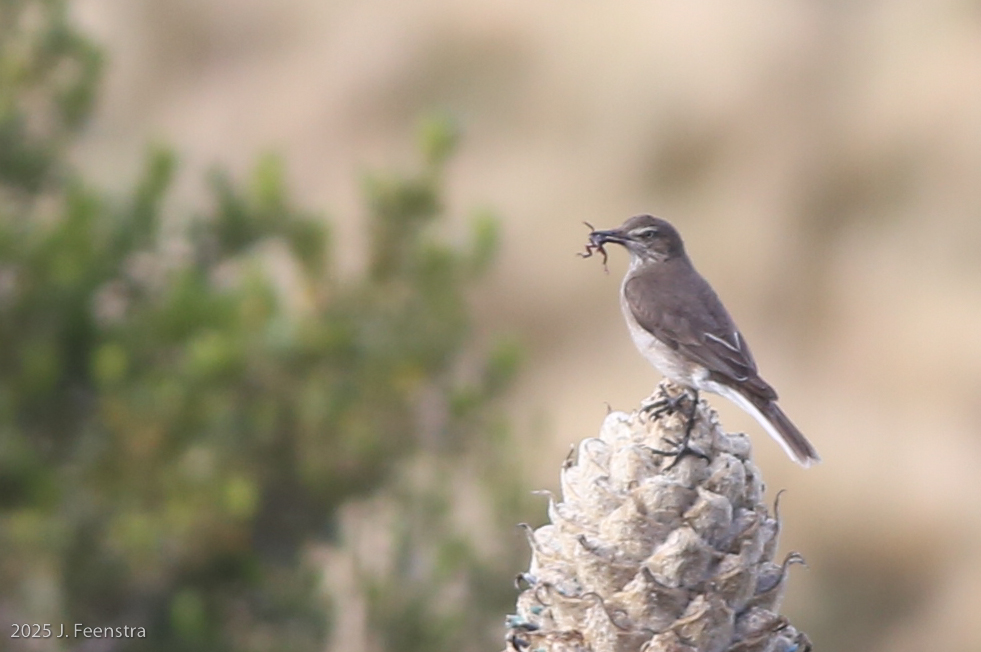
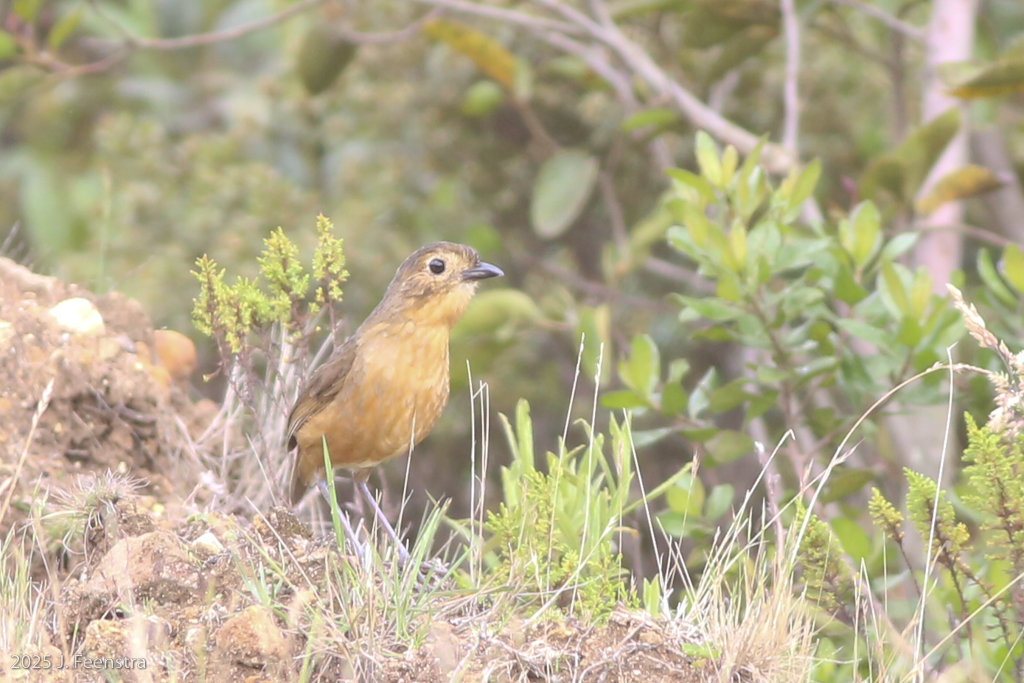
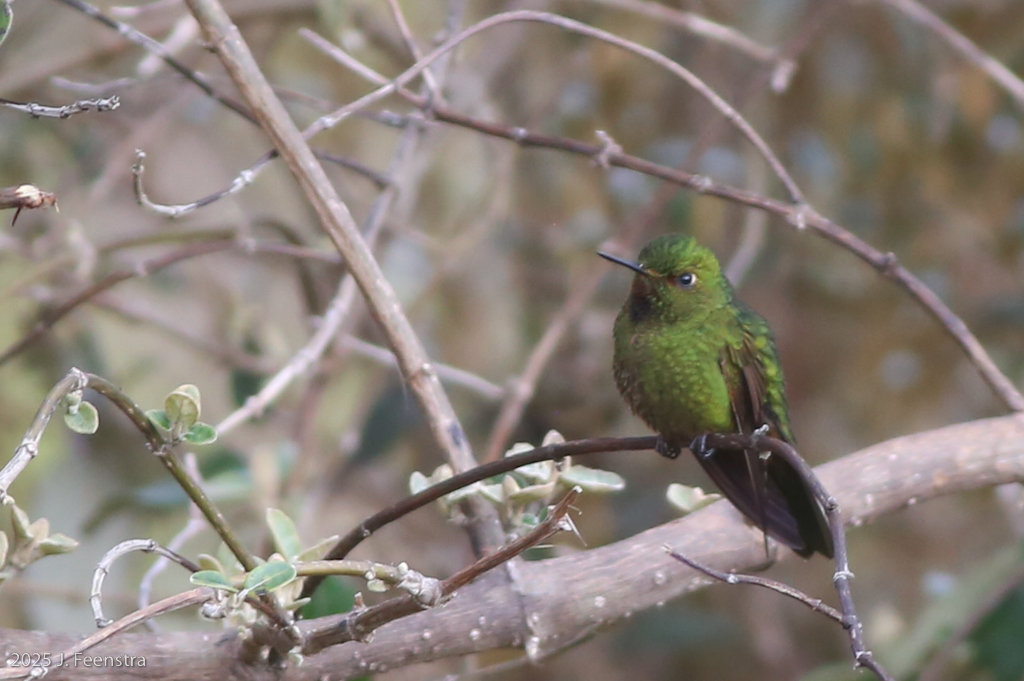
Our next day was bookended by Ecuadorian endemics. We began at the Yunguilla reserve where we got to see several of the critically endangered Pale-headed Brushfinches, once thought extinct, but now seeable in a small, protected valley. Also at the makeshift bird feeder for the brushfinches was a Chestnut-crowned Antpitta and a few Gray-browed Brushfinches. Leaving the Yunguilla Valley we ascended toward the city of Cuenca, stopping off at an overlook of the city for our picnic lunch. After lunch we did a little birding there and found a few dazzling Scarlet-bellied Mountain-Tanagers. Then our final ascent was to the hotel on the edge of El Cajas National Park above Cuenca. It was raining a bit, but the birds were still out, so we wandered the expansive grounds and found two new hummingbirds for the tour: the well-named Glowing Puffleg, and the outwardly unremarkable, dull green-brown, but local endemic Violet-throated Metaltail to finish the day.
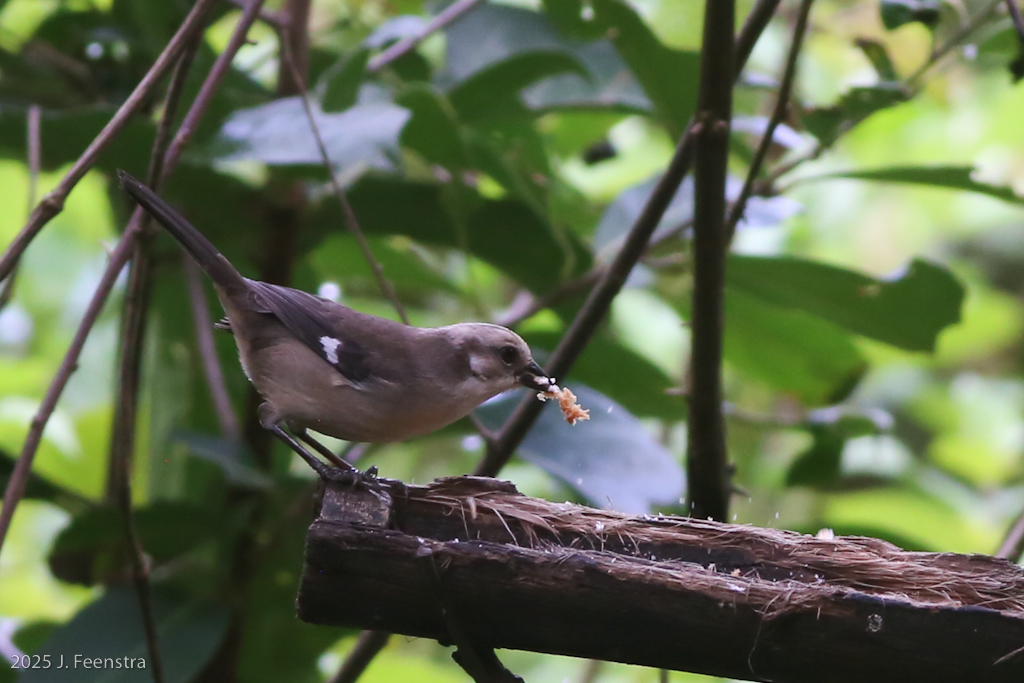
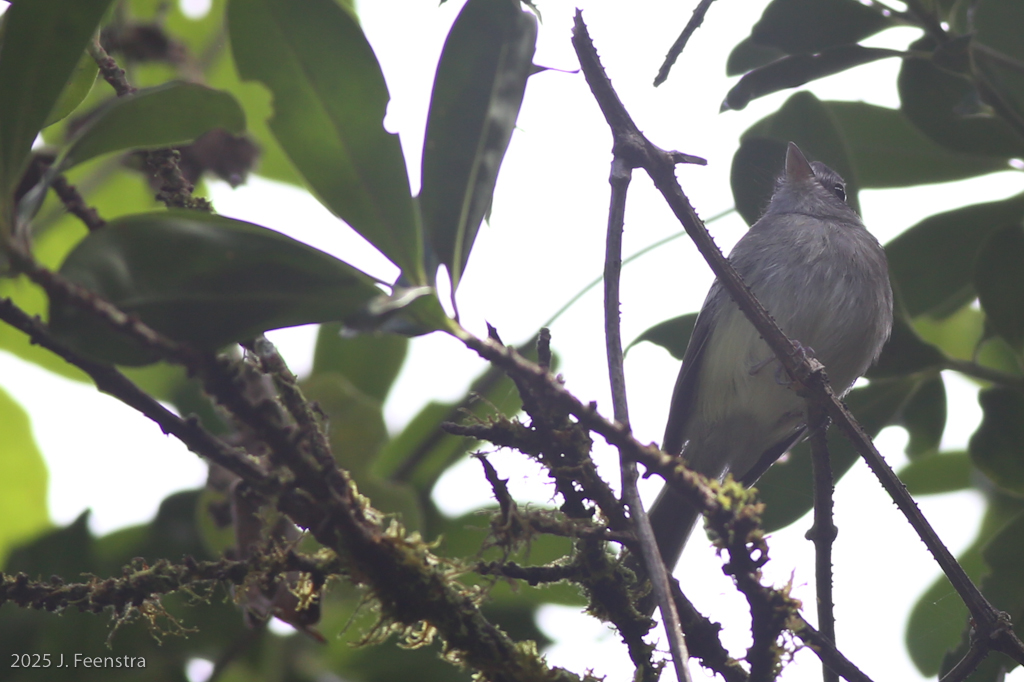
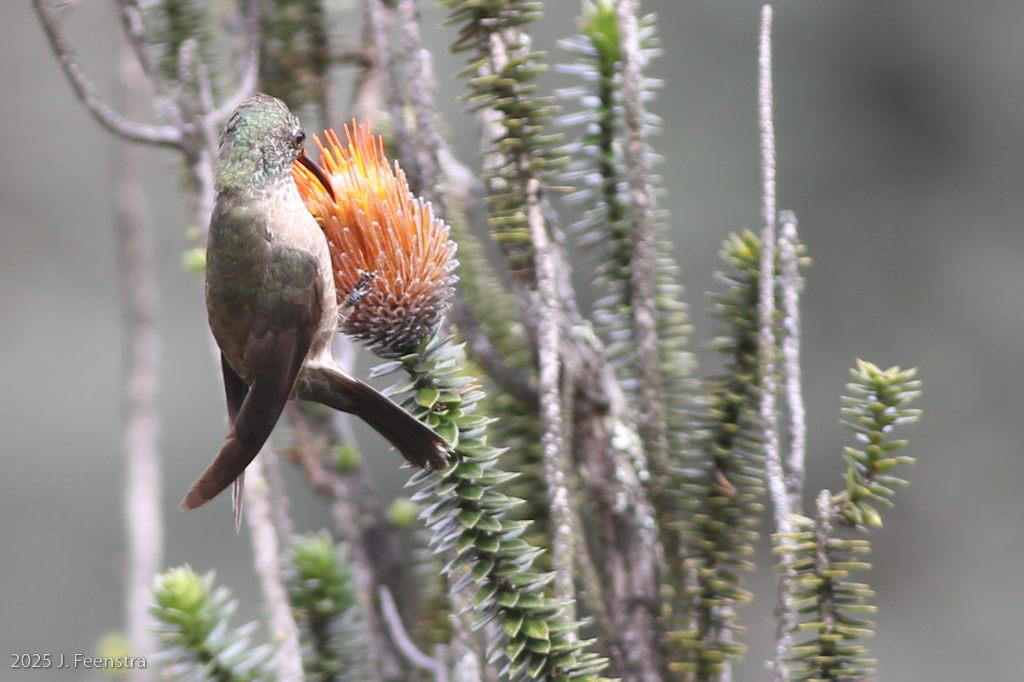
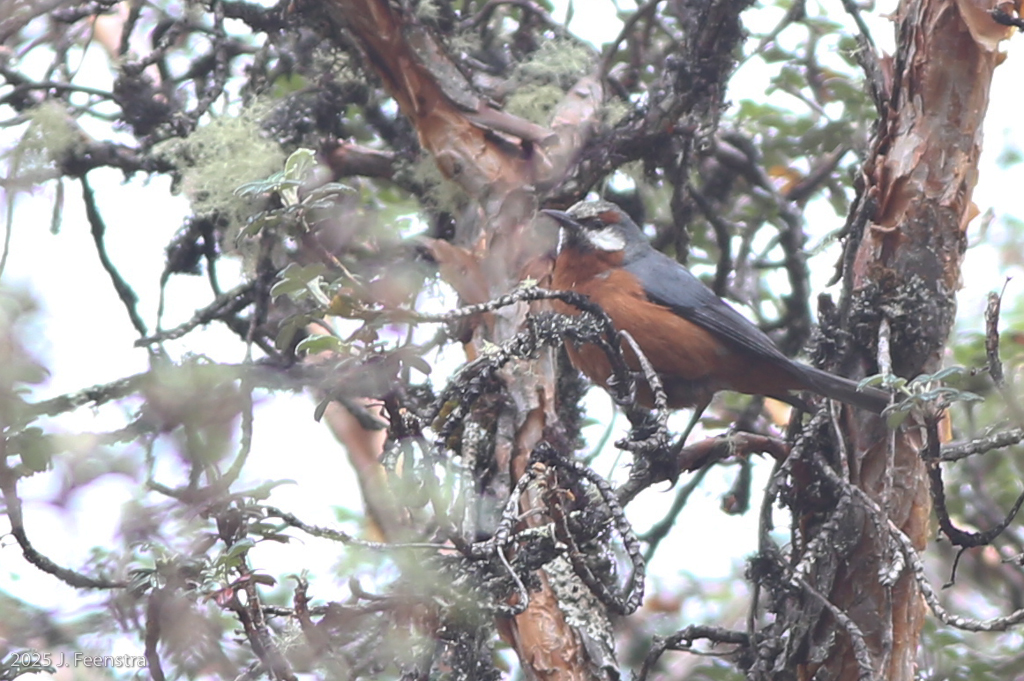
The final day of birding was up in the mountains mostly above treeline and it was a banger. We mopped up the remaining high elevation specialties with satisfying encounters with Stout-billed Cinclodes, Ecuadorian Hillstar, and a pair of Giant Conebills. The Ecuadorian Hillstar, a female, fed on chuquiragua flowers right in front of us. The Giant Conebills, rarely encountered in polylepis woodlands gave us a repeated show as they foraged in the flaky bark of their obligate trees and sang their squeaky songs. We wrapped up in the high country and it was time to head back to the lowlands and end the tour in Guayaquil. The Ecuadorian road department had other plans for us, however, and a traffic jam caused by bridge repair had us stuck on the highway right next to a very nice wetland in the Manglares-Churute National Park, so we wiled away an otherwise boring event into impromptu birding. There were hundreds of both species of whistling-ducks, Comb Ducks, and a few Horned Screamers. The great forces of birding were trying to keep us in the field. The traffic broke free eventually and we did finally hang up our binoculars in Guayaquil before drinks and dinner marking the end to a great tour.
The link to the tour web site is HERE.
The link to the eBird trip report is HERE.
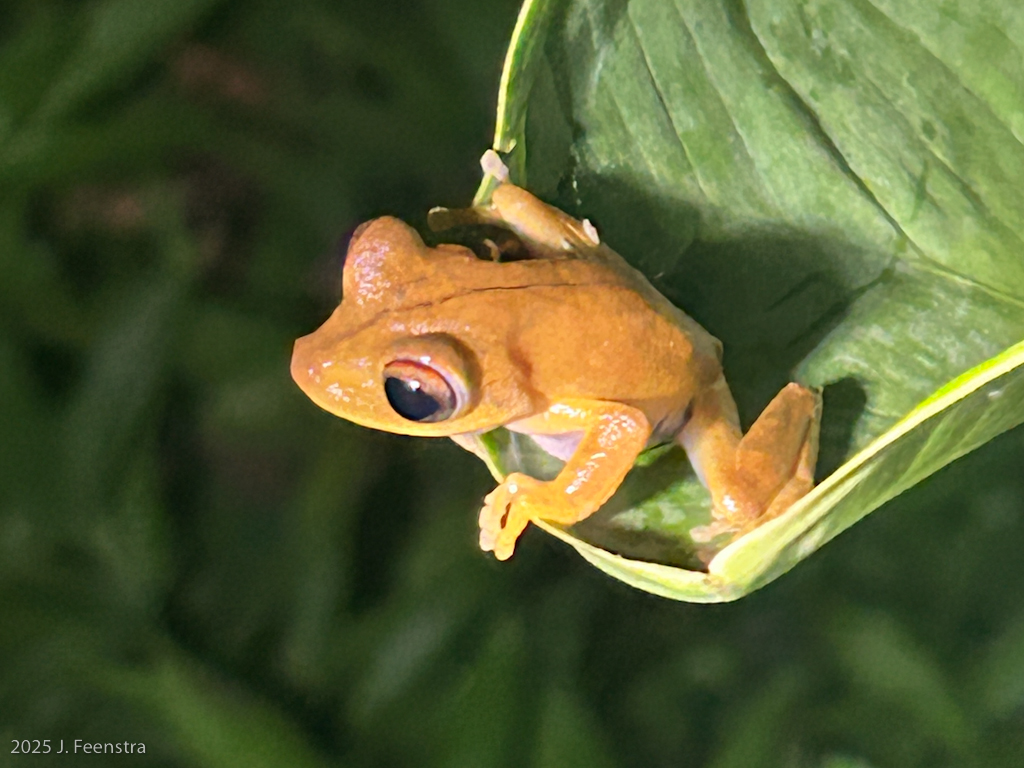
All of the non-birds are in iNaturalist HERE.