Wings Tour. Ecuador: The South. Fall 2026
24 October - 10 November, 2026
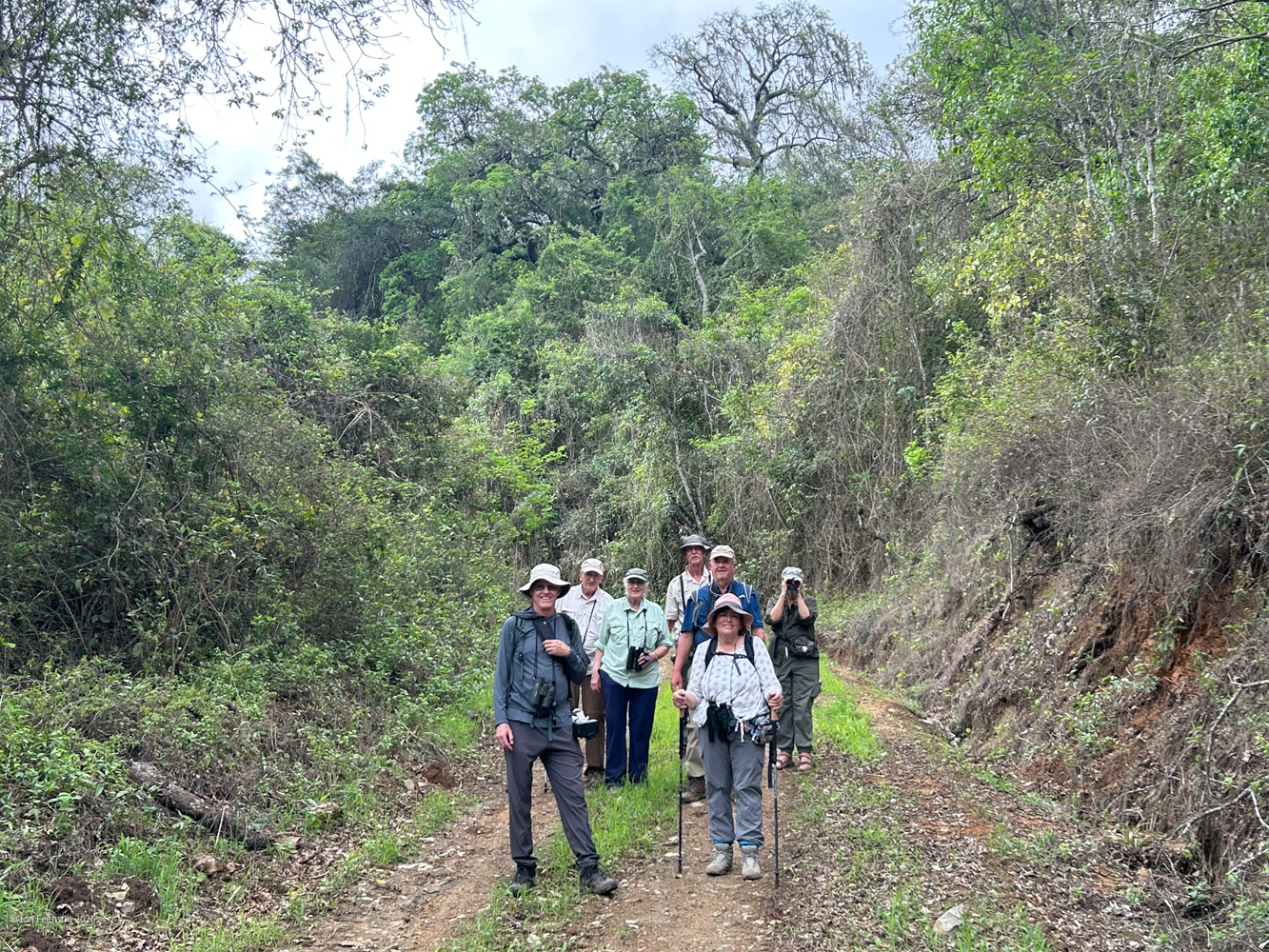
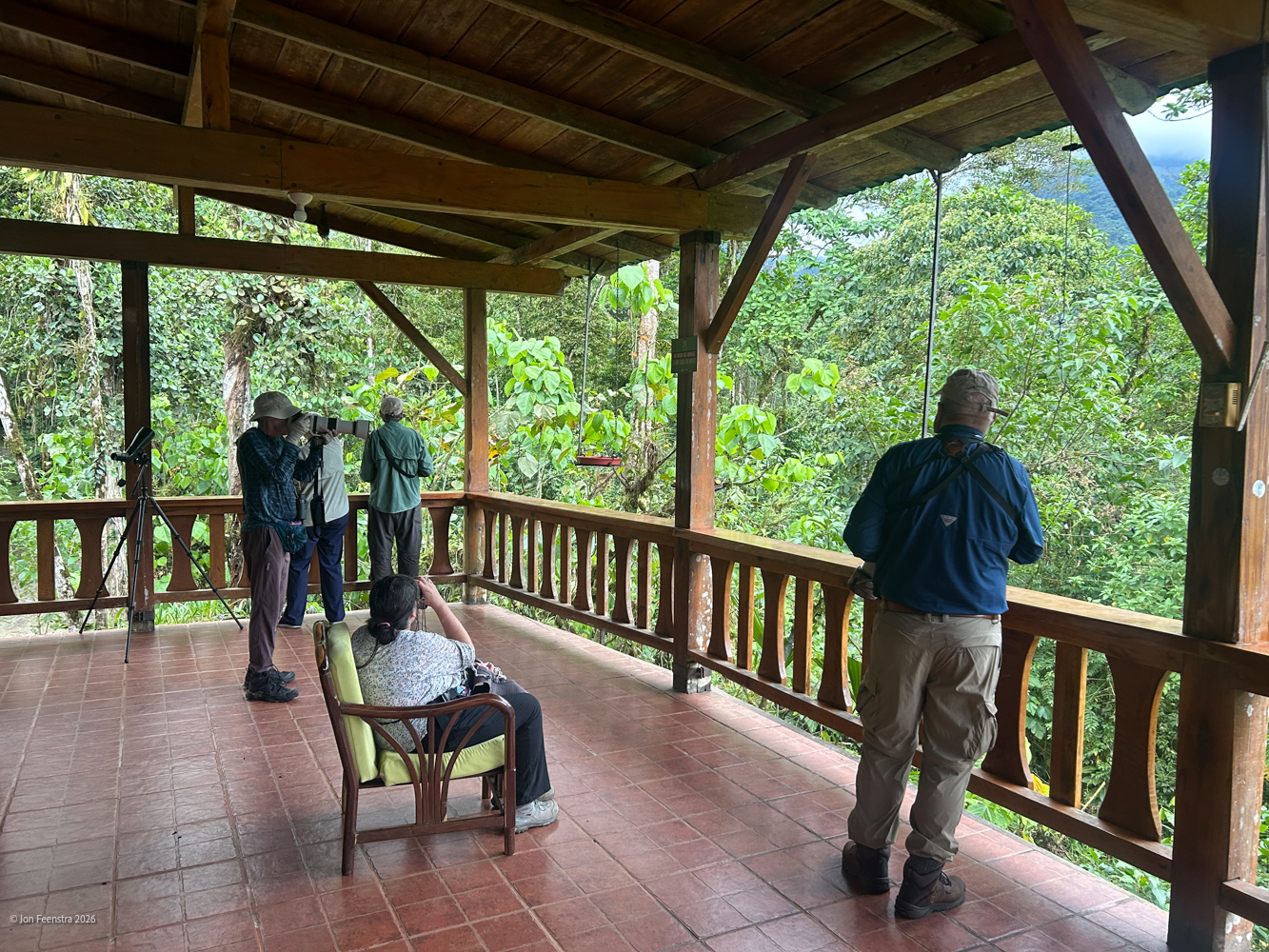
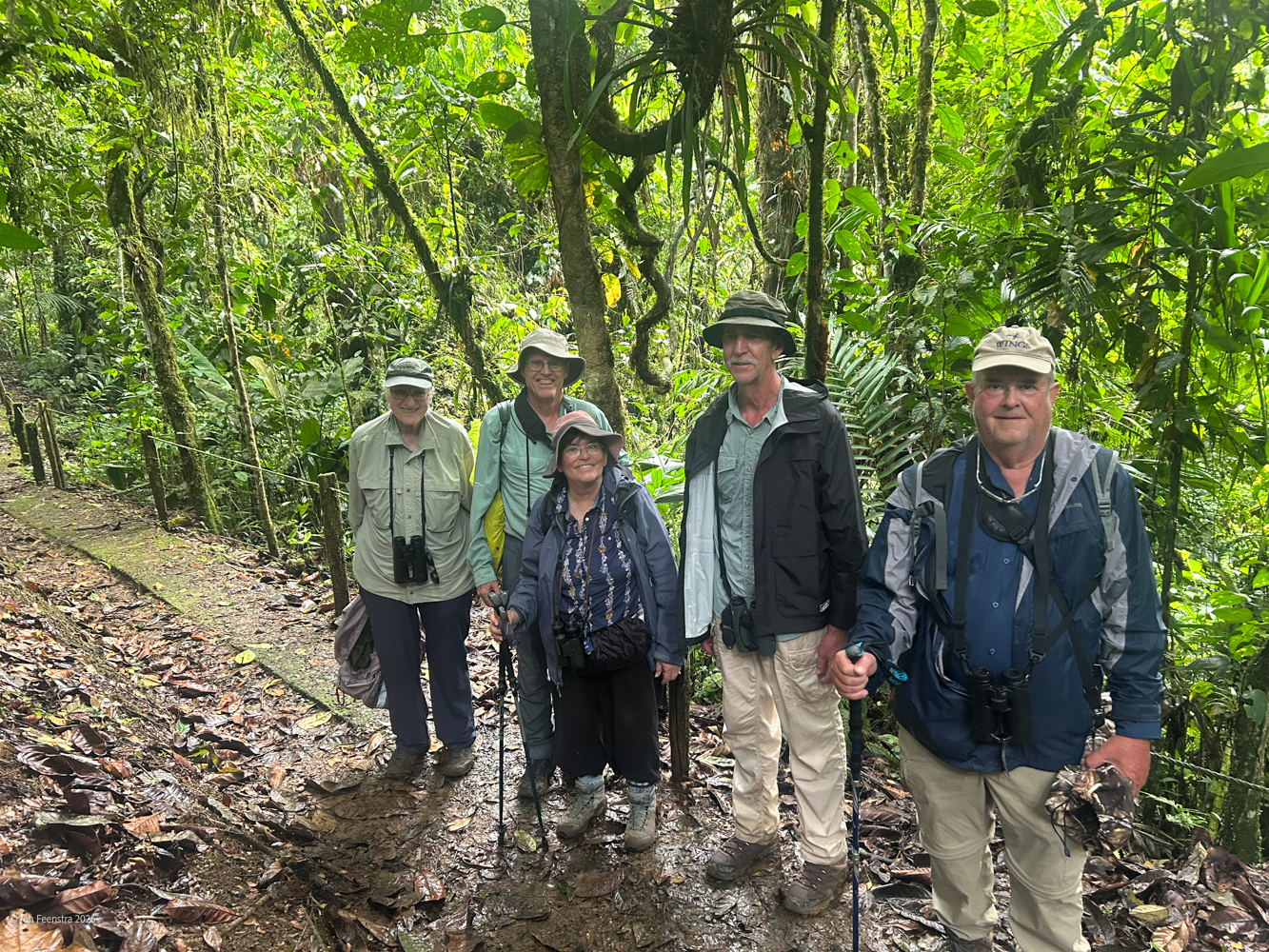
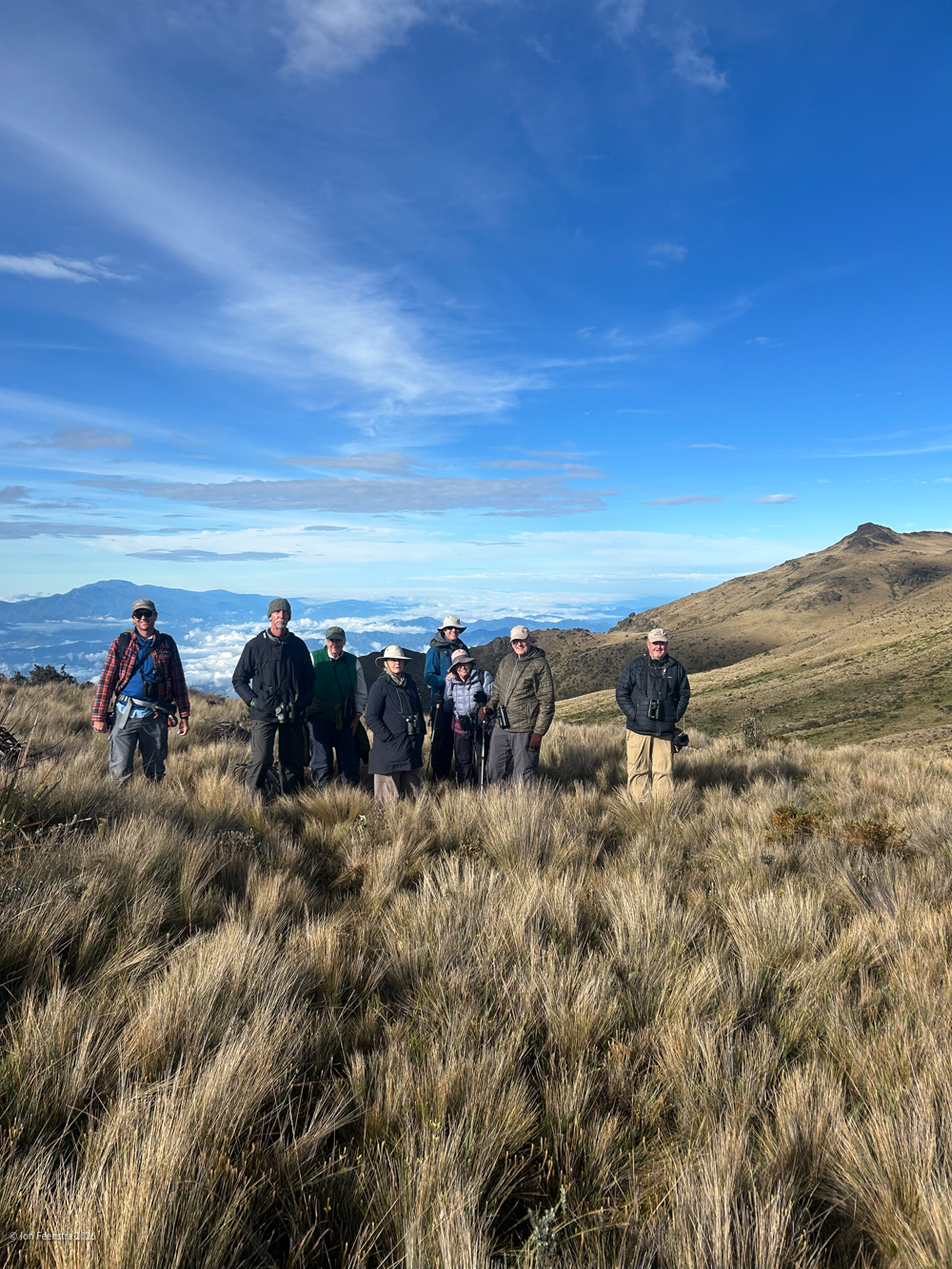
The gang: Ann, Merle, Brad, Jenny, Richard, Mary, Steve, Jon (bird guy), Edwin (el chofer)
With alpine tundra, desert, lowland and foothill rainforests, cloud forests, and coastal wetlands in hours drive of each other, we finished this tour a few birds shy of 500 species. A big list isn’t what it’s all about, though, and we had many highlights during our sixteen days of birding these diverse habitats. Some of the memorable standouts were the iconic Jocotoco Antpittas in the wet forest of the Tapichalaca Reserve, Orange-throated Tanagers in the remote Cordillera del Condor, the recently discovered Blue-throated Hillstar on a moutaintop in western Loja province, a family of Black-banded Owls roosting behind the discoteca in Zamora, striking Scarlet-bellied Moutain Tanagers lighting up the upper elevation forest, a Fasciated Tiger-Heron perched on a rock in the mountain stream, Jameson’s Snipes winnowing in the cold pre-dawn above treeline, Giant Conebills working the flaky bark of the old growth Polylepis forest, and an enormous Andean Condor soaring over our heads while we walked down a quiet mountain road. The birds were great and we saw so much wonderful scenery as we wended our way through big cities, tiny towns, and lots of pristine wilderness that make southern Ecuador such a fun place to bird.
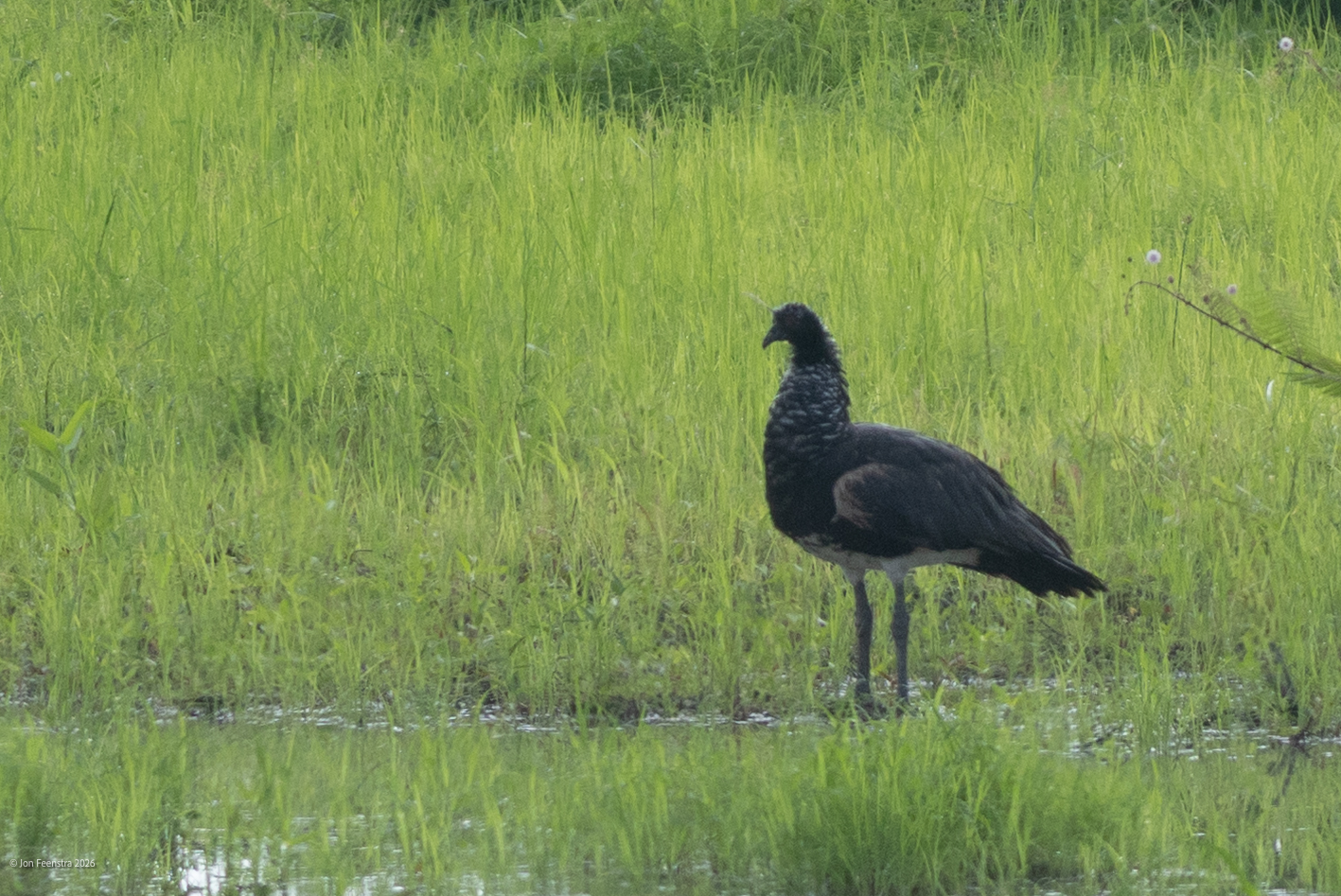
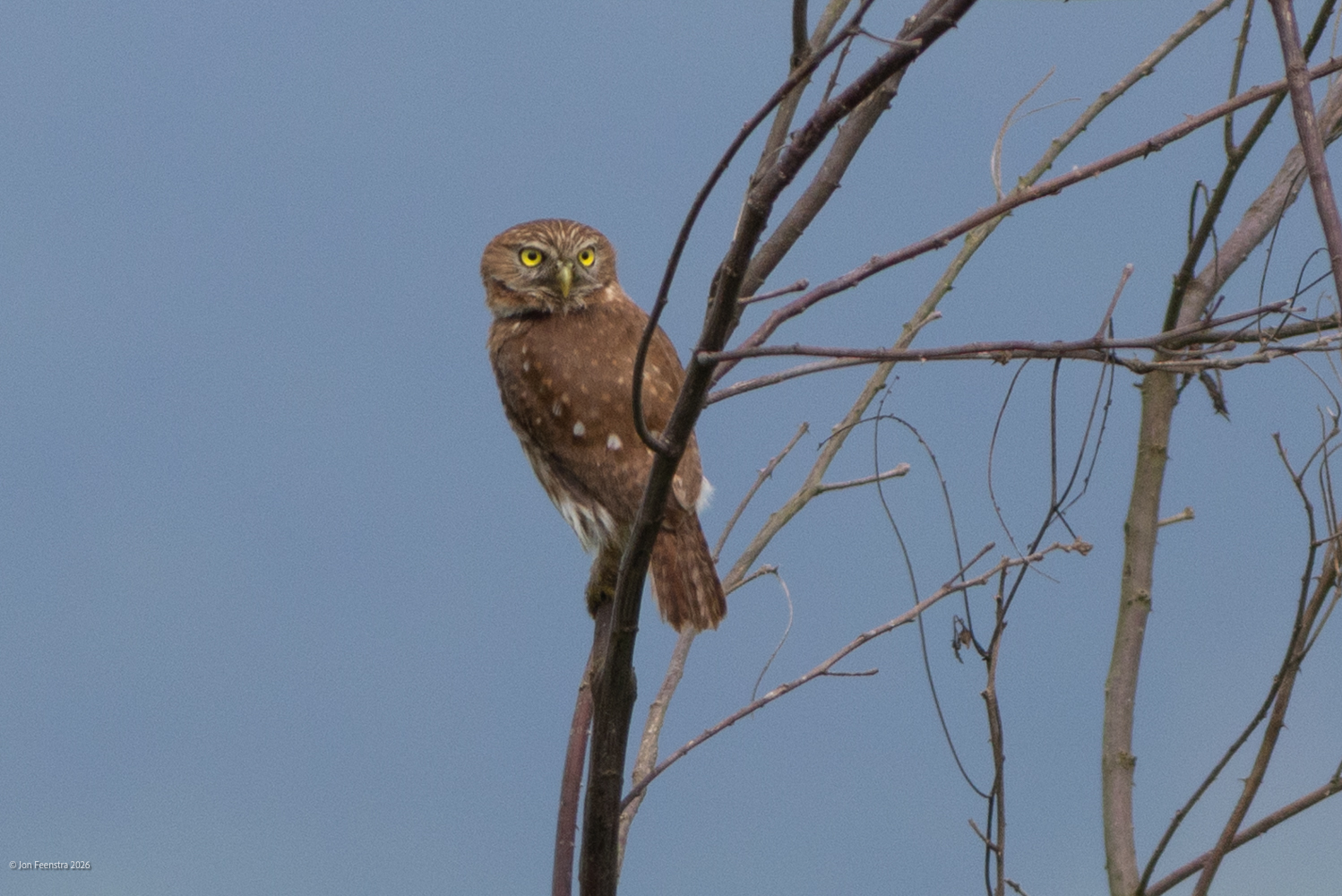
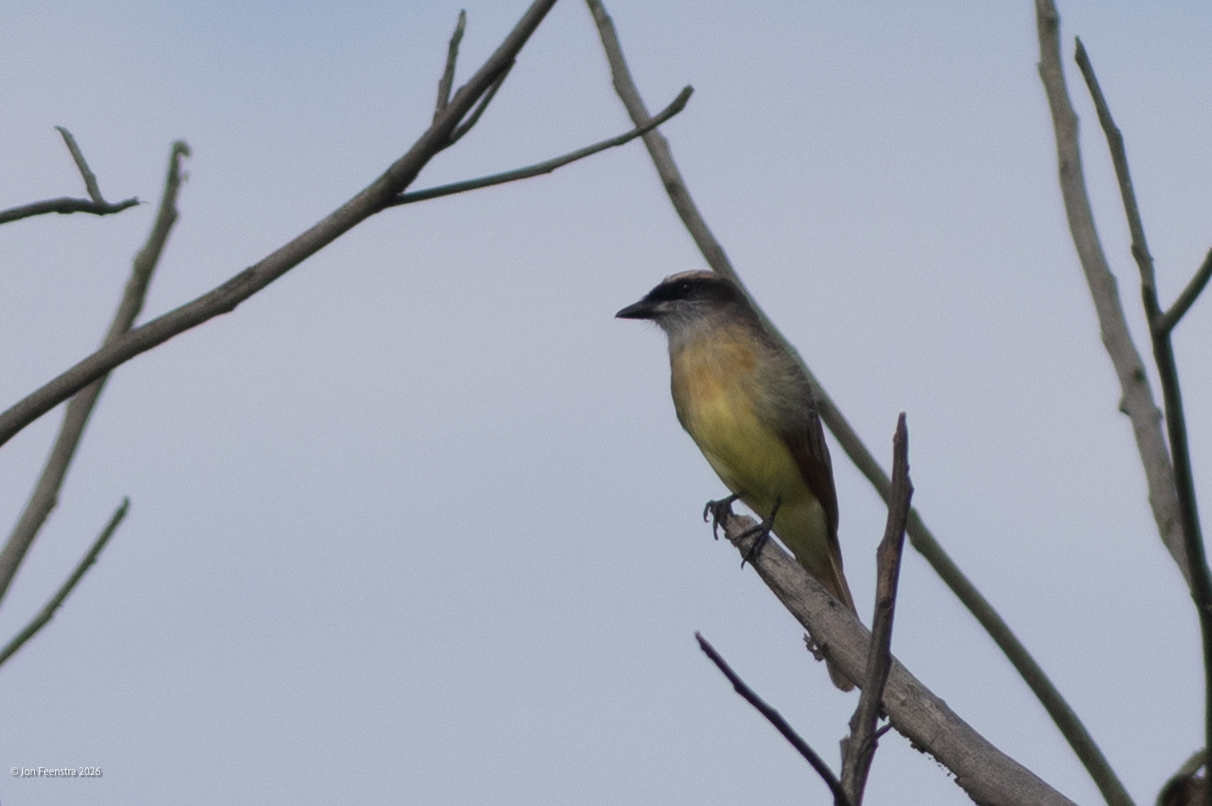
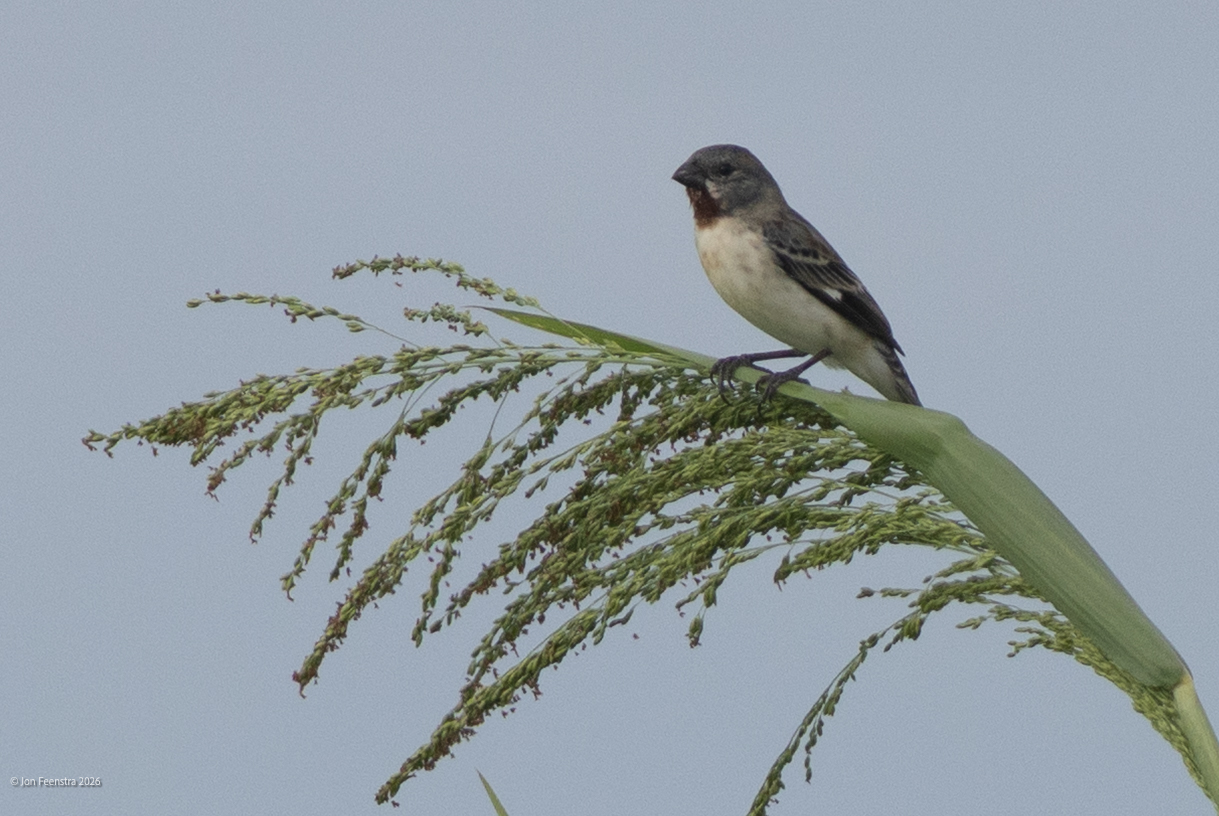
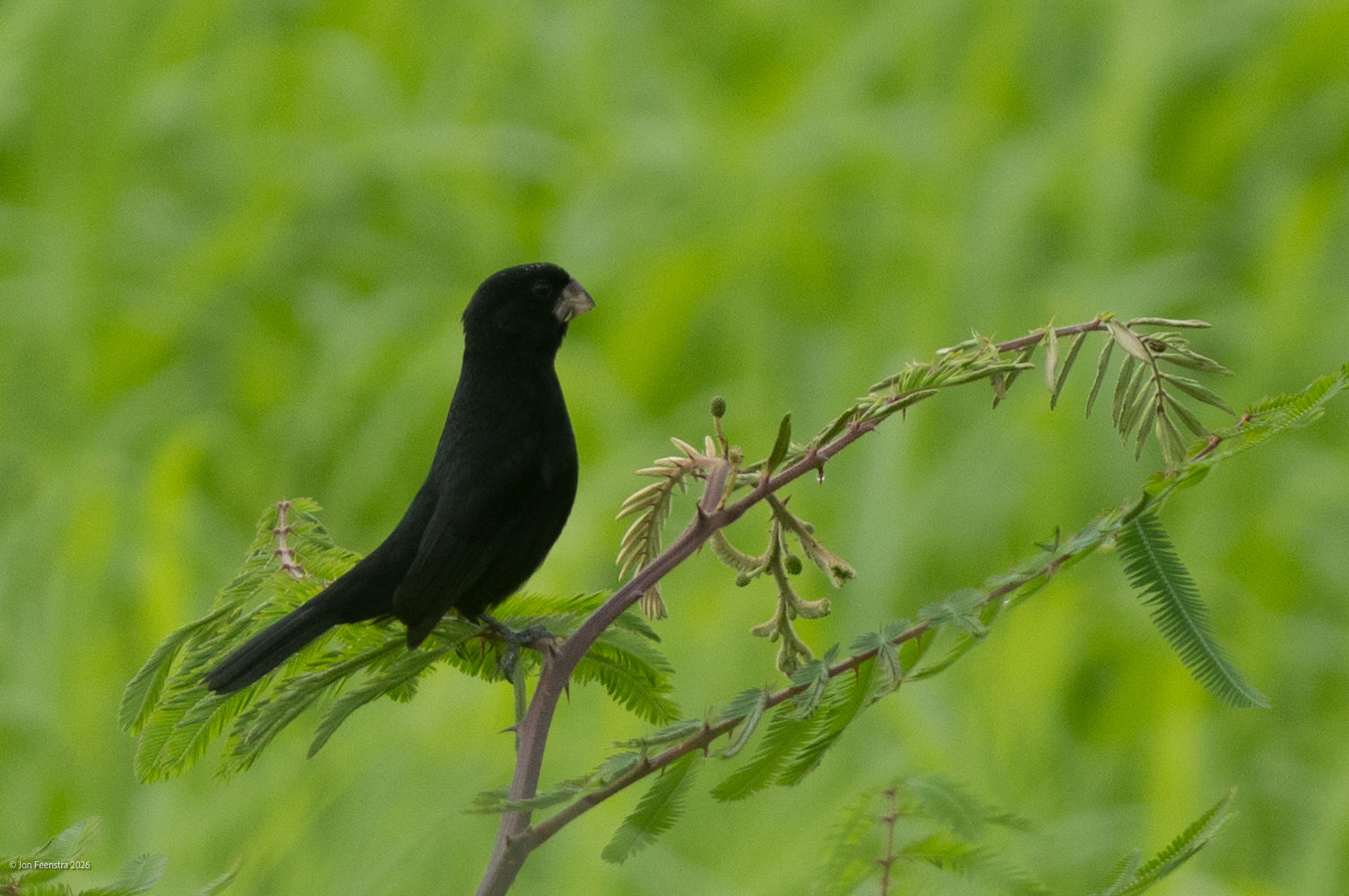
The intensity of rain that we all heard dumping on Guayaquil all night had us a little worried about the morning, but we awoke to a pleasantly mostly cloudy day. Less pleasant was oppressive heat and humidity and that some government whatnots had closed the national park outside of Guayaquil. However, we go with the flow, and we made good with the accessible wetlands and came away with a hearty list of coastal lowland birds. The wetlands are perhaps the best place to see Horned Screamers in Ecuador and we had no trouble with them. We saw them feeding, drying their wings, flying, and heard them making their strange sounds. Truly a dinosaur. These big things complemented the smaller things that we saw along the road (or in the road) like Pacific Horneros. In the roadside trees we found the local specialty Baird’s Flycatcher. There were also Vermilion Flycatchers, Peruvian Meadowlarks, lots of Chestnut-throated Seedeaters, and a feisty Supercilated Wren. With all the little birds around, we used the age-old tactic of playing the sounds of the local pygmy-owl to attract them, and it attracted the local pygmy-owl itself, Peruvian Pygmy-Owl, which then attracted the gaggle of agitated passerines for us to watch. Wilting rapidly in the mid-day heat, we headed for the woods and ended at Reserva Buenaventura watching hummingbirds do battle at their epic feeders.
When we woke up the next morning to more hard rain, we had our doubts again, but it largely stopped while we were eating breakfast and was pleasant for the rest of the day. The morning we spent at the upper part of the reserve was a fun walk through broken forest where we had a point blank view of a displaying Club-winged Manakin. Among some less charismatic flycatchers, we also got to watch everyone’s favorite flycatcher, Ornate Flycatcher that’s got it all: easy to see, easy to identify, and just plain pretty. Our final great bird of the morning was a cooperative Gray-backed Hawk on a snag on the side of the road. The afternoon was fun on its own with a walk through deep, dark rainforest culminating in watching the display of Long-wattled Umbrellabird at its lek near the lodge. Great birds and a whole day without rain.
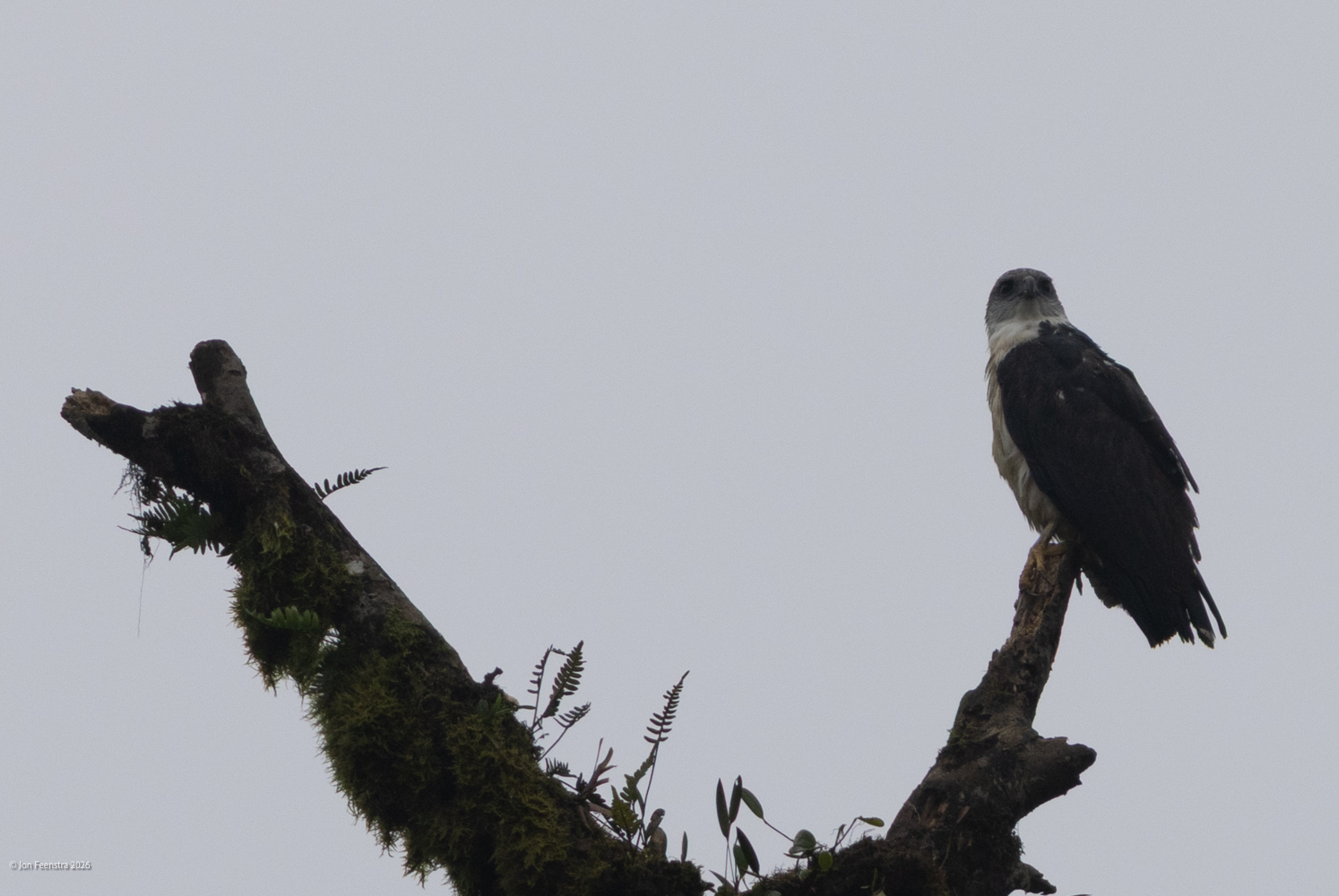

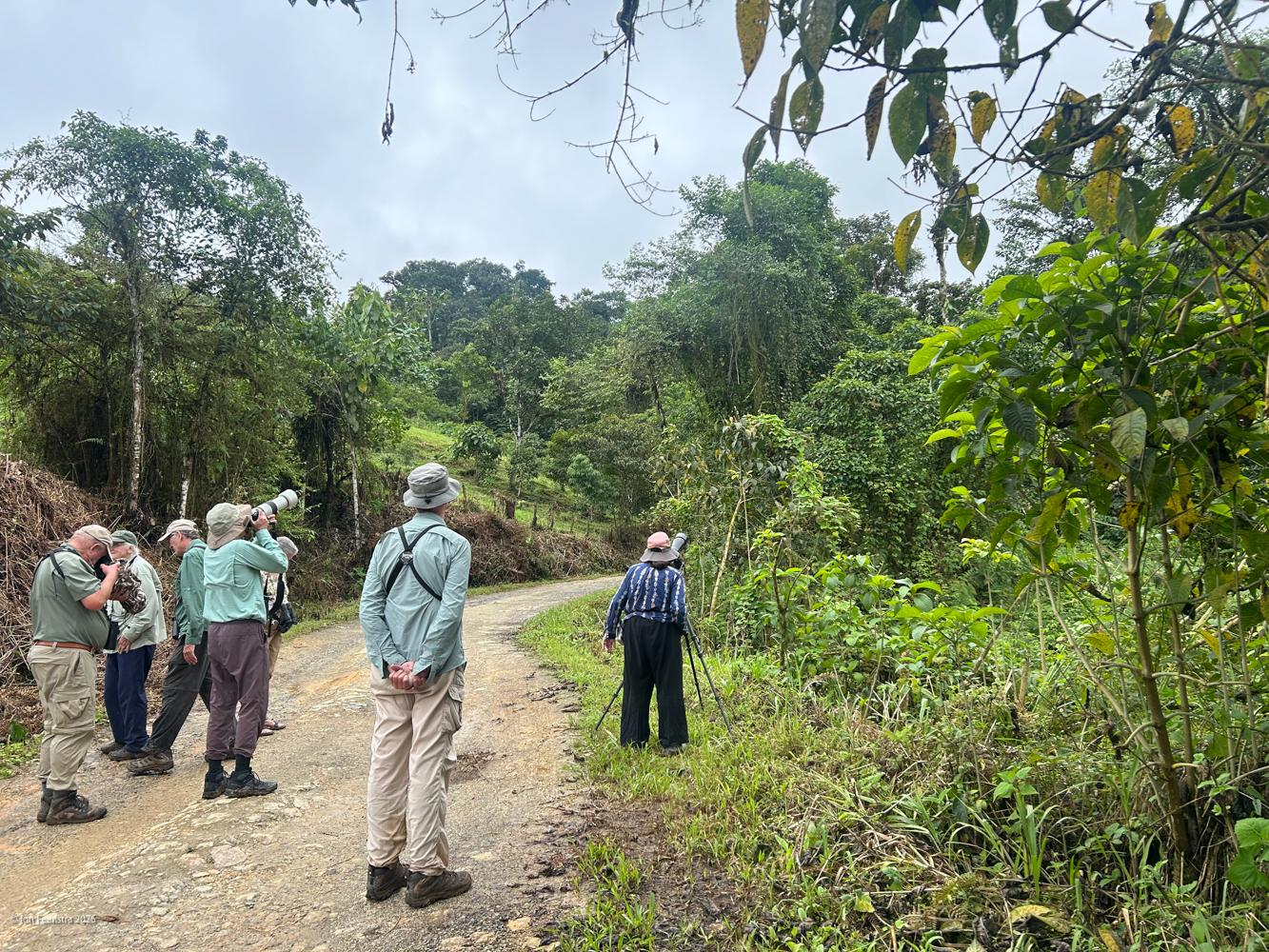

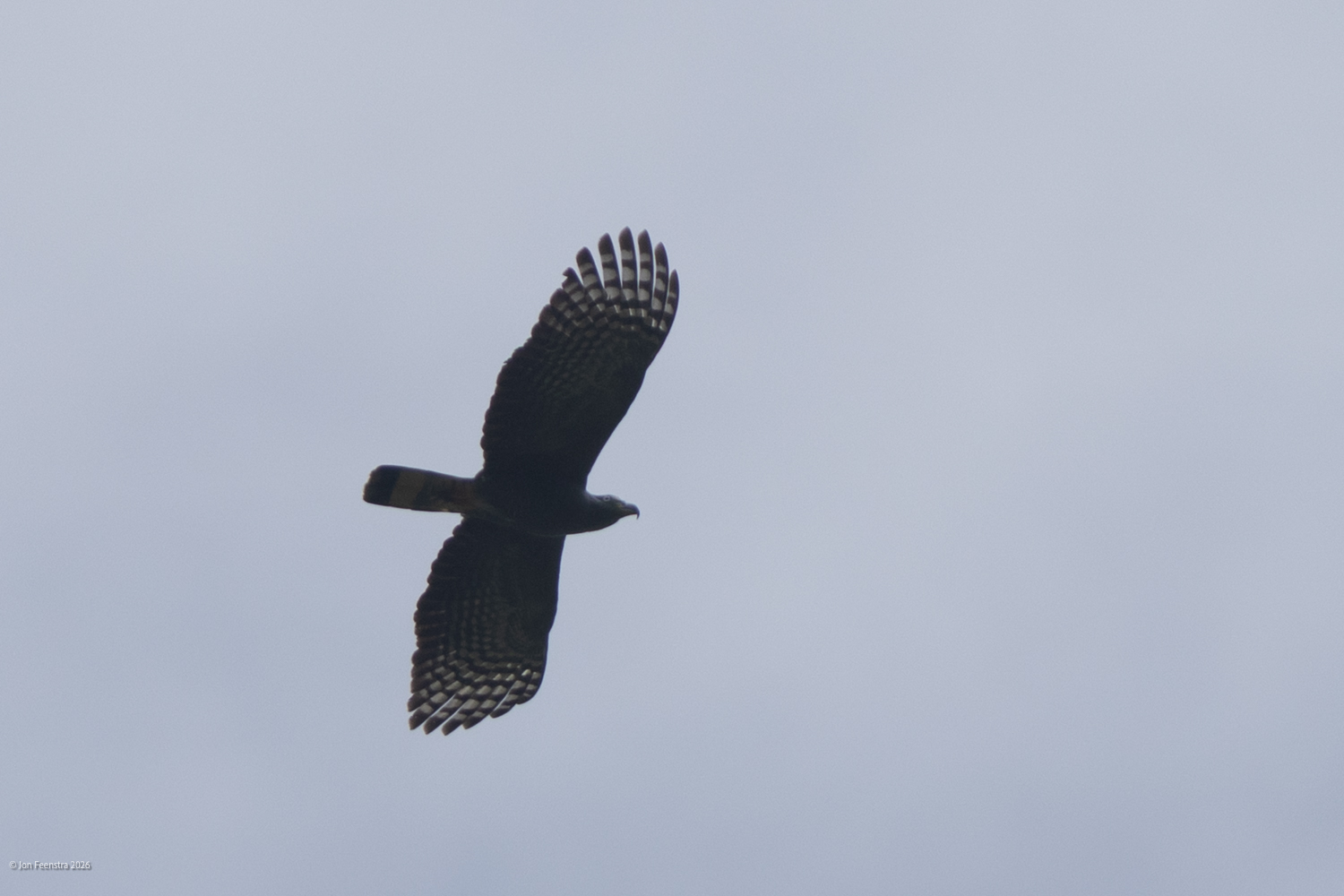
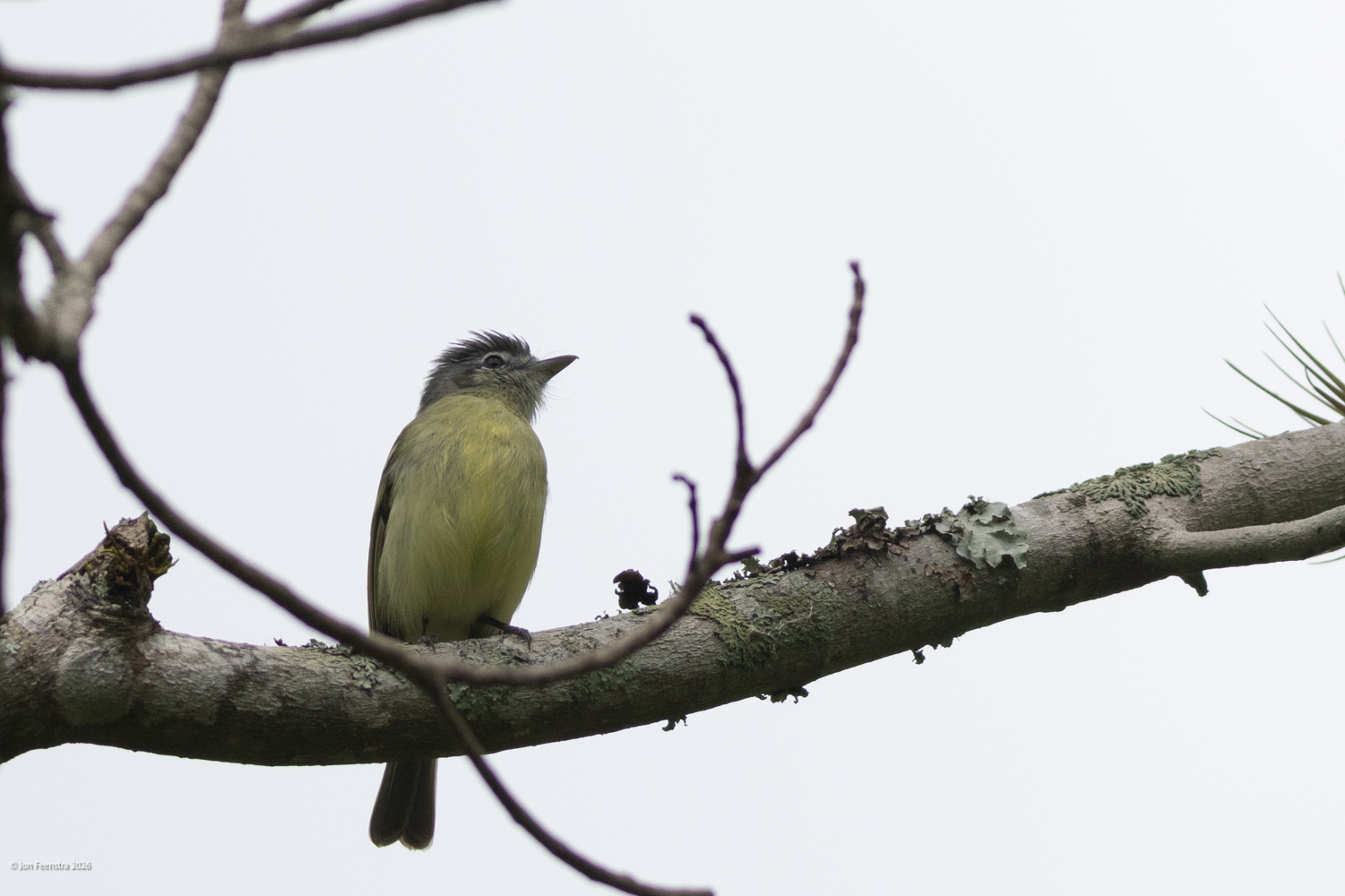
Masquerading as a day of driving between point A and point B, the next day we also worked in quite a bit of small-stop birding. We started with a little right off the porch that transitioned into a walk down the road for some forest stuff. Some things were more cooperative than others, but one of the cooperative ones was a minute White-throated Spadebill. We then left the rainforest and made our way toward the dry forest. Our first stop en route was a weedy roadside where some One-colored Becards were building a nest. There were also a pair of bright Scarlet-backed Woodpeckers working the low vegetation. From there, we passed through the mountains to drier country and our next stop was in thornscrub. There, we enjoyed a pair pf Pacific Parrotlets at their nest while a menacing Great Antshrike worked the scrub and a Gray-backed Hawk, Great Black Hawk, and Zone-tailed Hawk soared overhead. We arrived in the dry forest of Reserva Jorupe to not dry weather. The super El Niño strikes again.

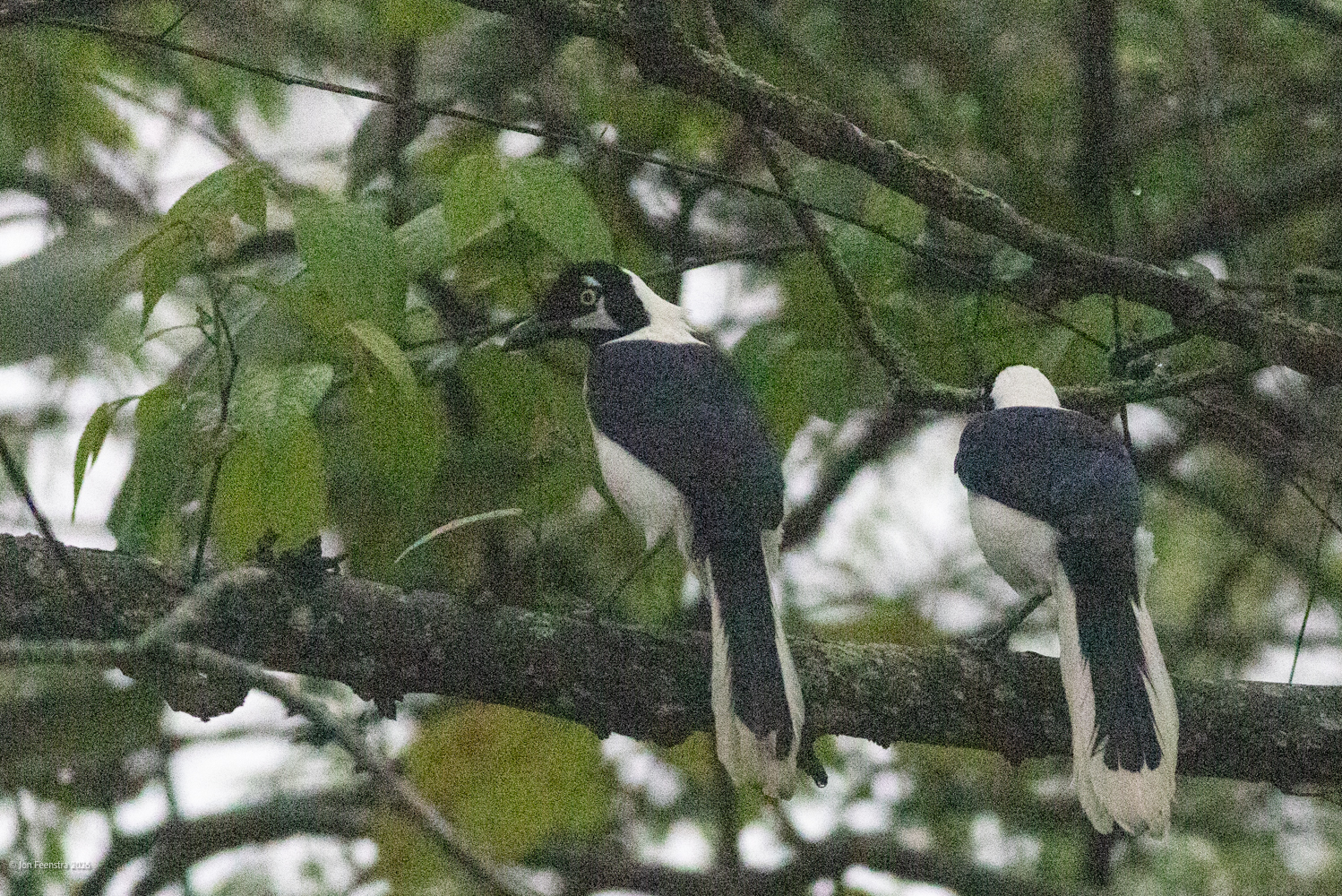
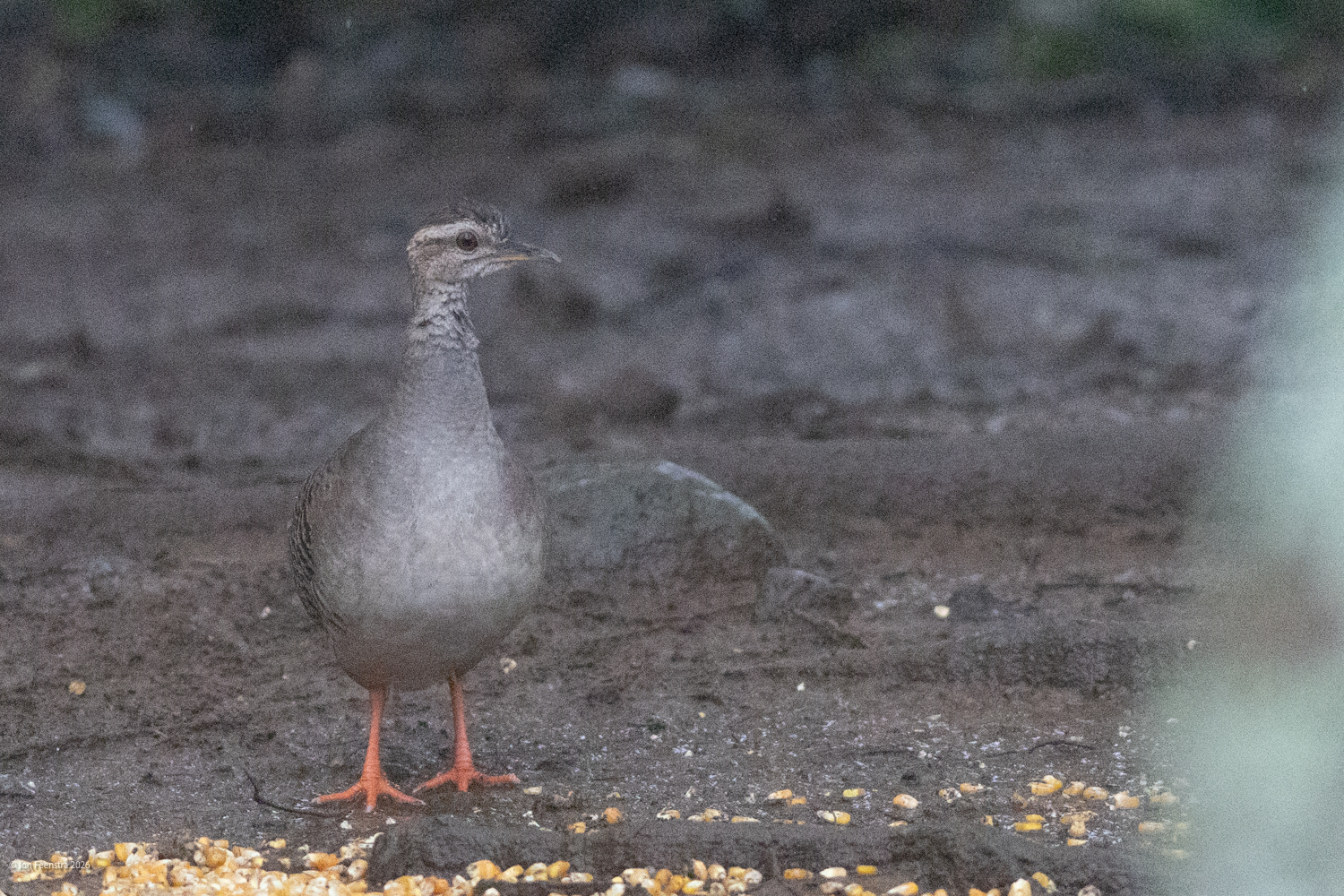
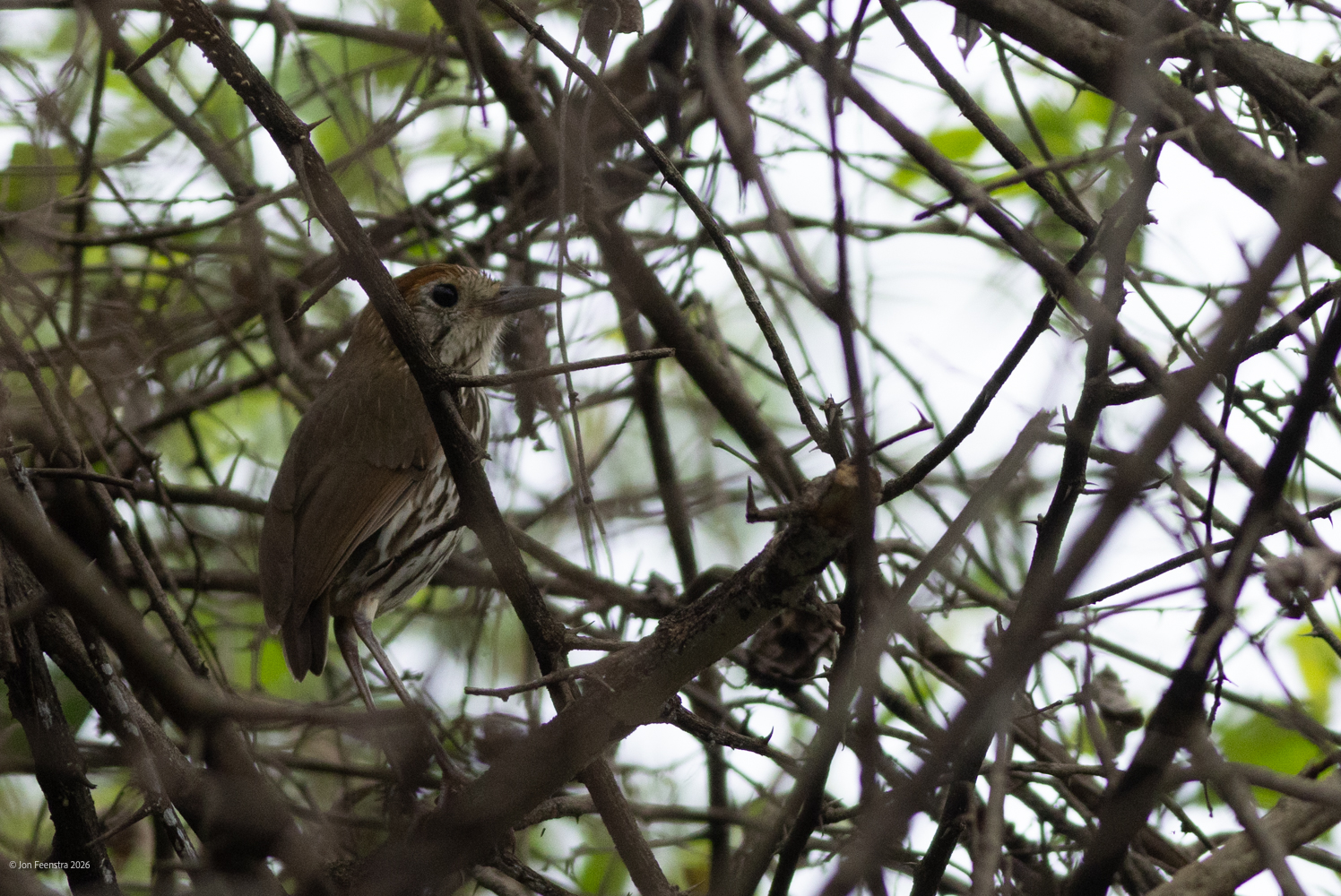
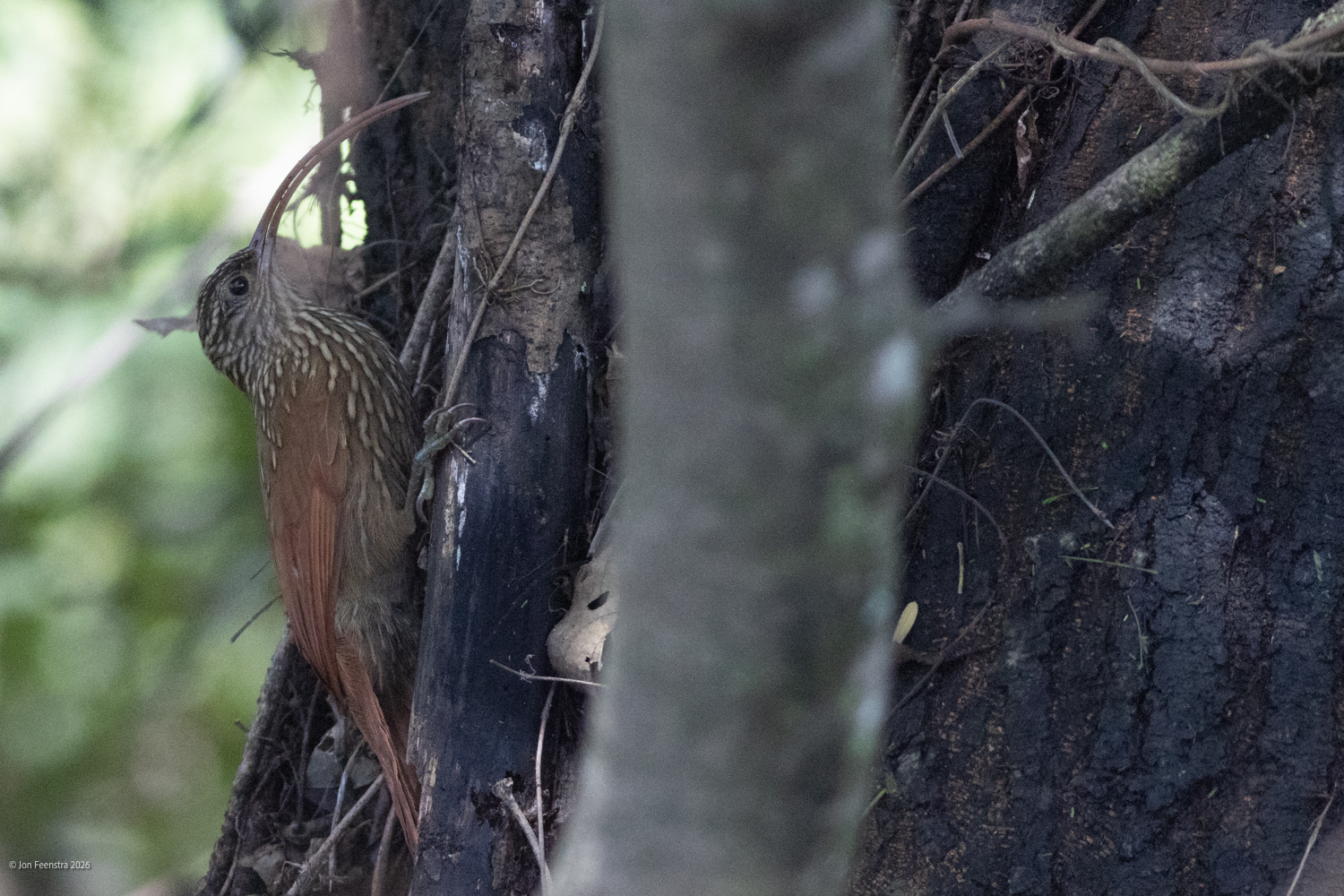
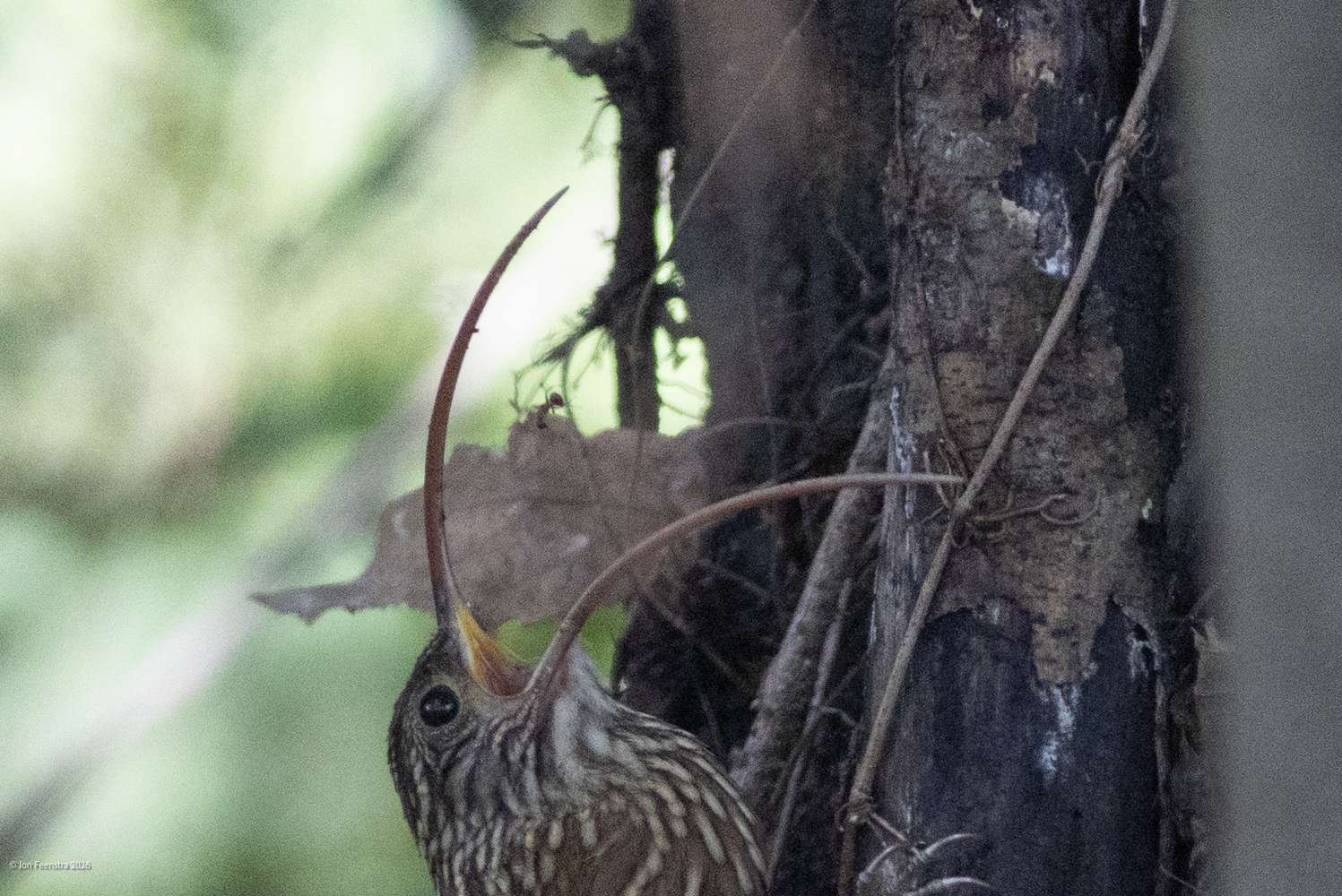
Normally the dry forest is great first thing in the morning, but it gets quiet quickly. With these unseasonably wetter conditions, we pretty much got good birding all day. It started drizzly, but we enjoyed the feeders from the patio that brought in a couple of Pale-browed Tinamous and a gaggle of spectacular White-tailed Jays. From the lodge we walked the access road and found a few more of the specialists of this forest from the tiny and subtle Ecuadorian Piculet to the big and bright Ecuadorian Trogon. We also got to watch an impossibly-proportioned Red-billed Scythebill dig around the interior of a tree (from the outside). The afternoon was pretty birdy, as well, and, though the van couldn’t make it up a muddy hill and we had to walk, we did get great looks at Watkin’s Antpitta, less great looks at a skulky Blackish-headed Spinetail, and we finally saw some perched Gray-cheeked Parakeets. After dinner we found a Peruvian Screech-Owl posted by the parking lot light hunting moths. The Spectacled Owl waited until we were all in bed to get going.
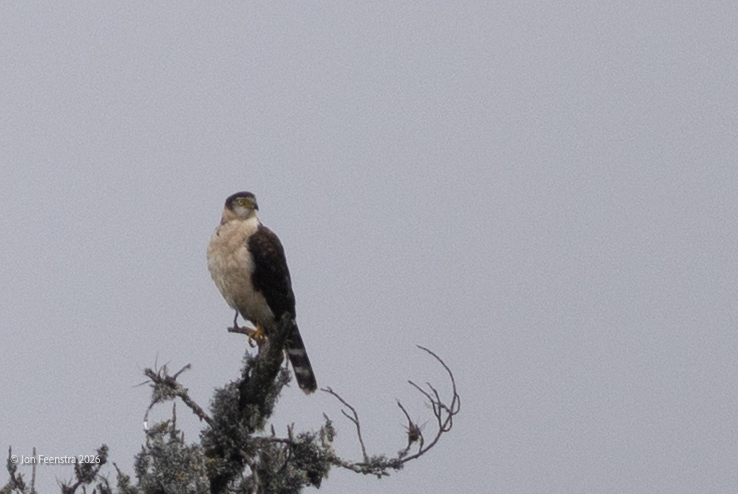
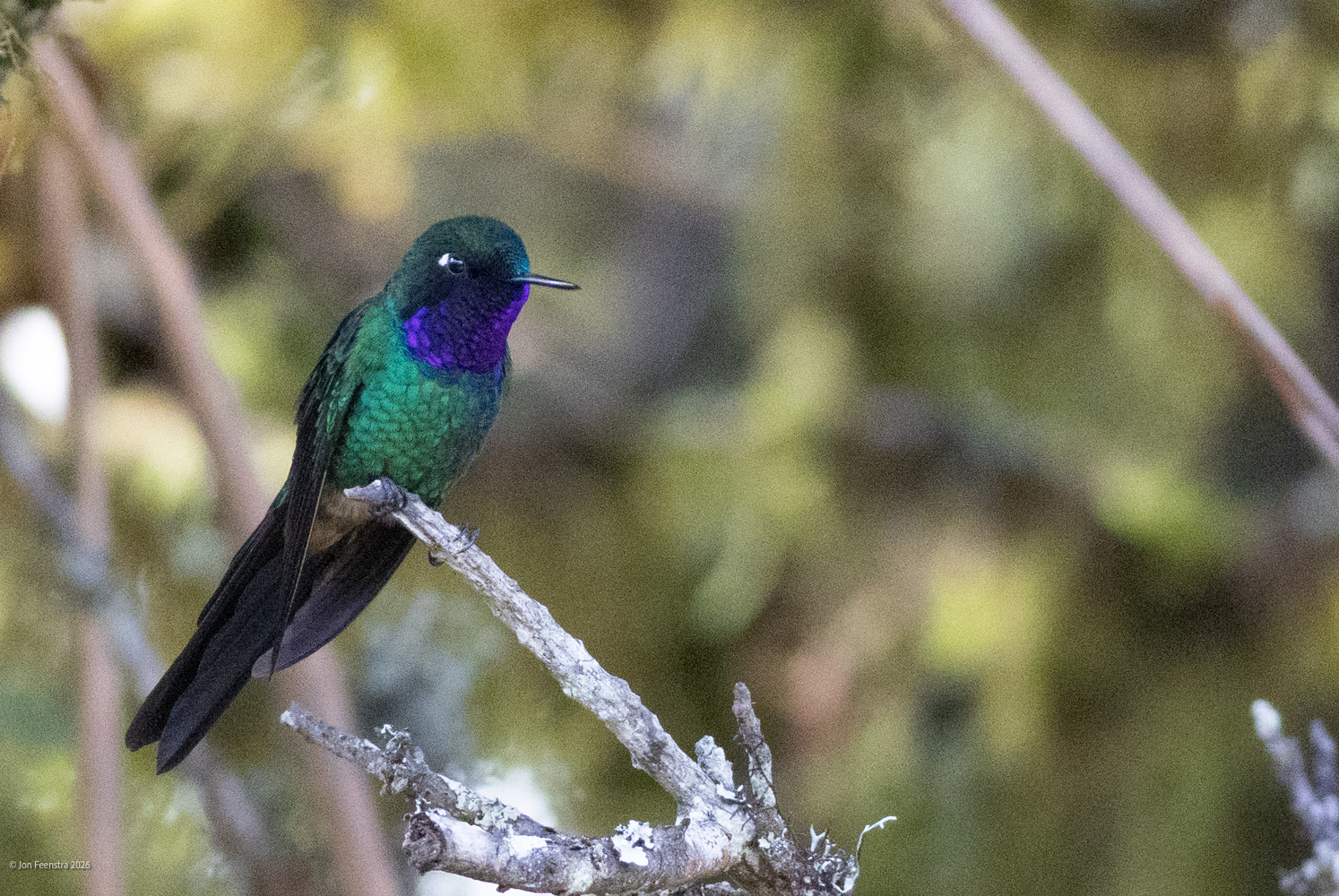
The following day we left the wet morning behind as we ascended into the mountains. We broke through the cloud line and spent the morning at Reserva Utuana in cool, dry, and sunny weather. The birds were pretty tough with lots of singing and not so much getting them into the open. However, an immature Bicolored Hawk perched atop a snag was both easy to see and an excellent bird. Their hummingbird feeders were pretty good, too, and we got to see dazzling Rainbow Starfrontlets do battle with Purple-throated Sunangels, while the rather dull Speckled Hummingbirds fought with each other. We spent the afternoon making stops in the arid thornscrub with some fleeting looks at Elegant Crescentchest and a fly-over Black-chested Buzzard-Eagle probably being the best stuff before we ended at a hotel in the scenic city of Loja.
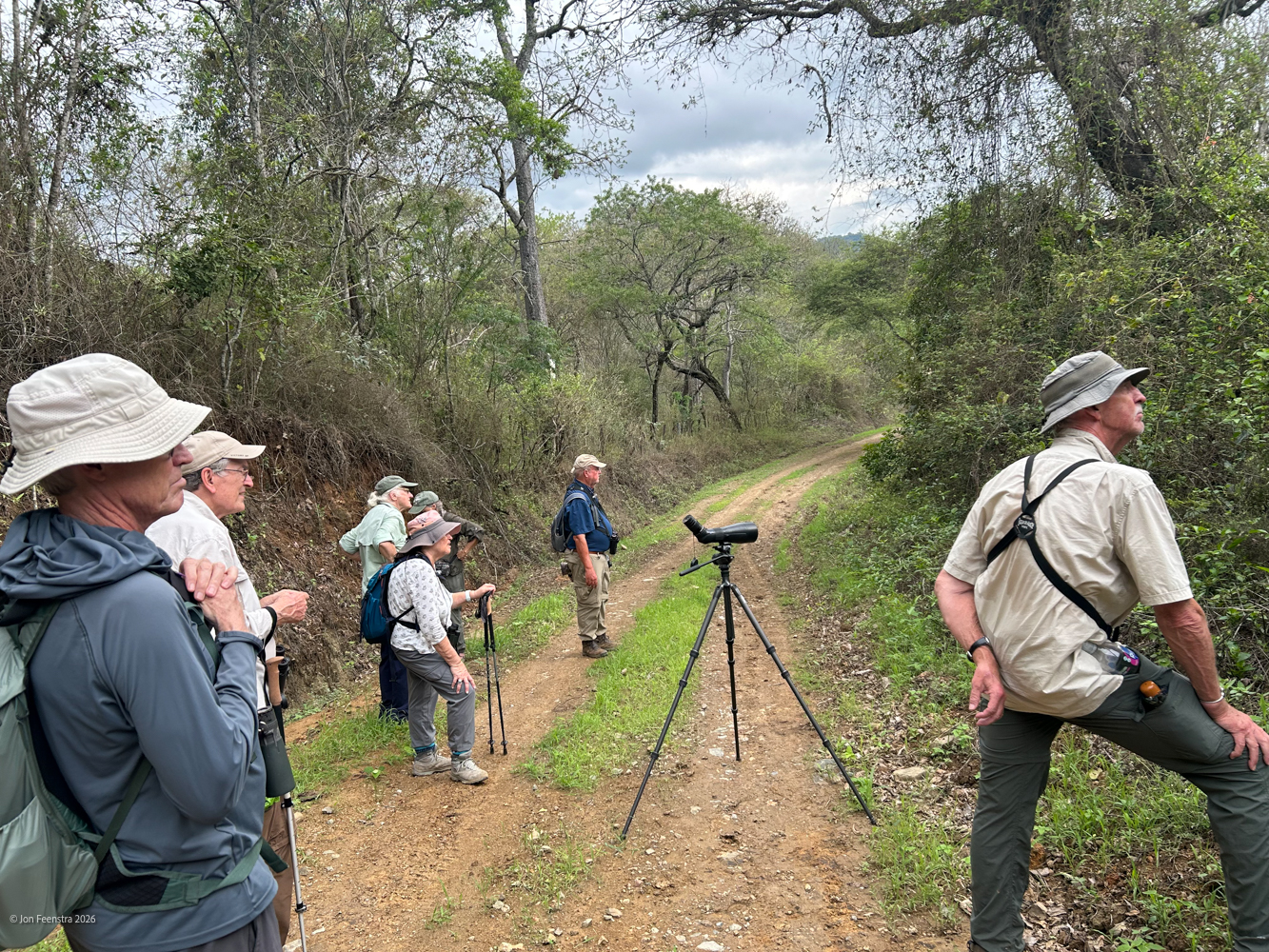
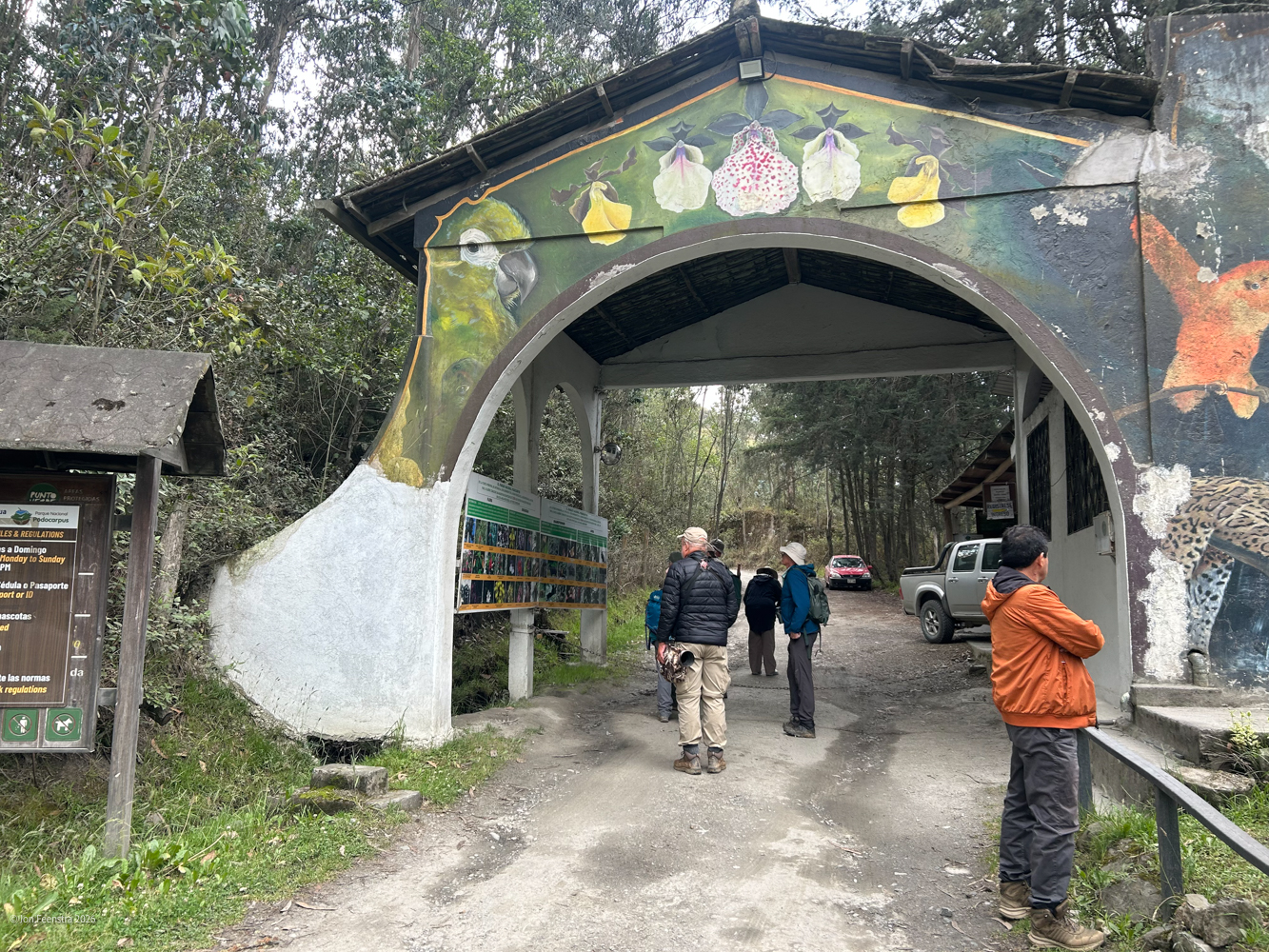
Podocarpus National Park is right outside of Loja, and once we had our breakfast and wrestled through the morning commute, we were up in the cool damp cloud forest. It was pretty windy and not much was singing, but what we got to see, we saw pretty well. The Cinnamon Flycatchers were pretty endearing. The Chusquea Tapaculo that hopped up then flew across the road twice was also a real treat for such a skulky little thing. While we were eating our picnic lunch we also got to watch a Pink-billed Cnemoscopus working the trees over the parking lot. Leaving the forested park we first descended through the arid valley of Vilcabamba then we went back up into the mountain forest. We made a quick stop for a Streak-throated Bush-Tyrant on a treetop before we arrived at Casa Simpson in Reserva Tapichalaca in the upper cloud forest of the Rio Marañon valley. There, we finshed our day watching the busy hummingbird feeders, and we added a few new gems to our list like Amethyst-throated Sunangel, Chestnut-breasted Coronet, and Collared Inca.
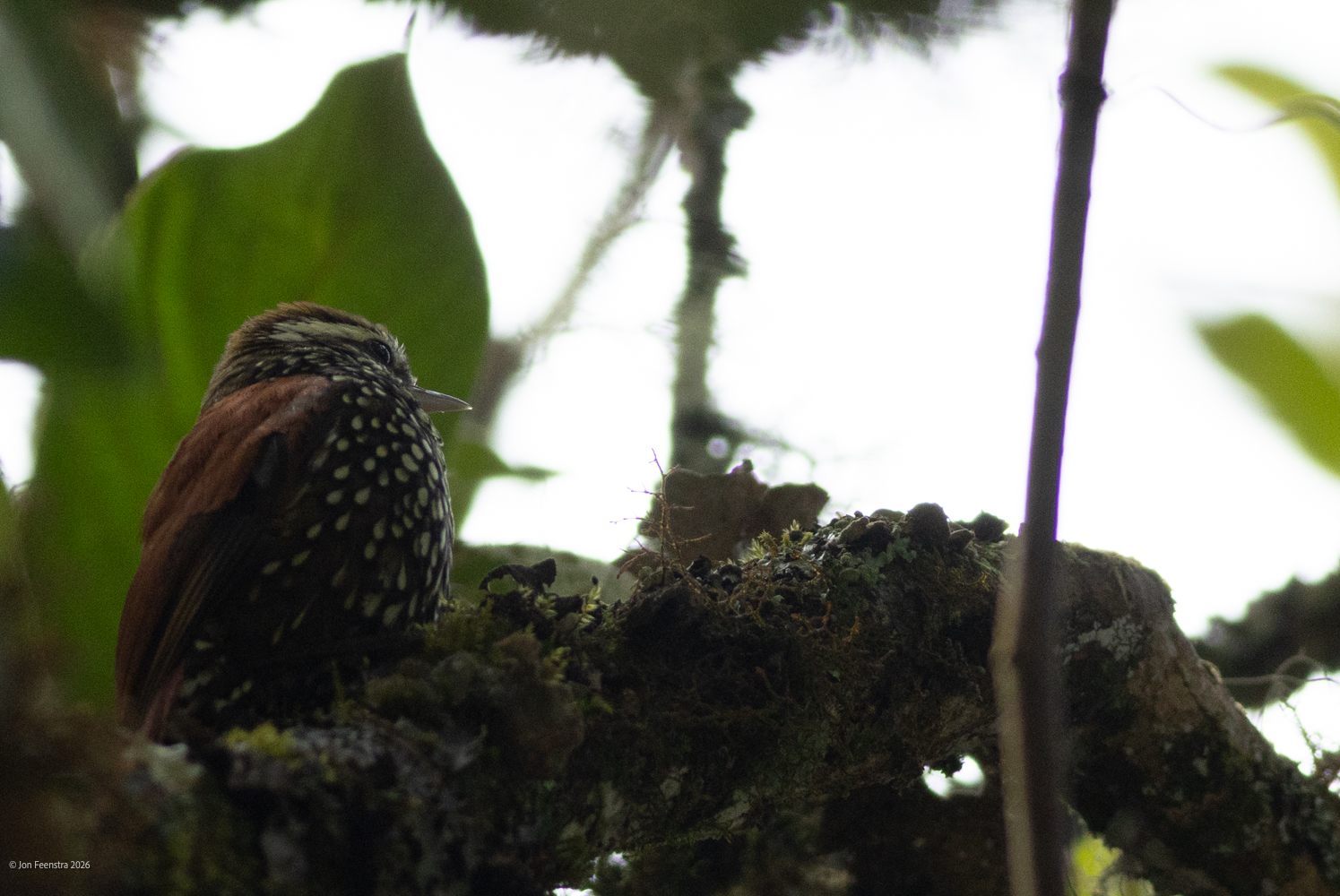
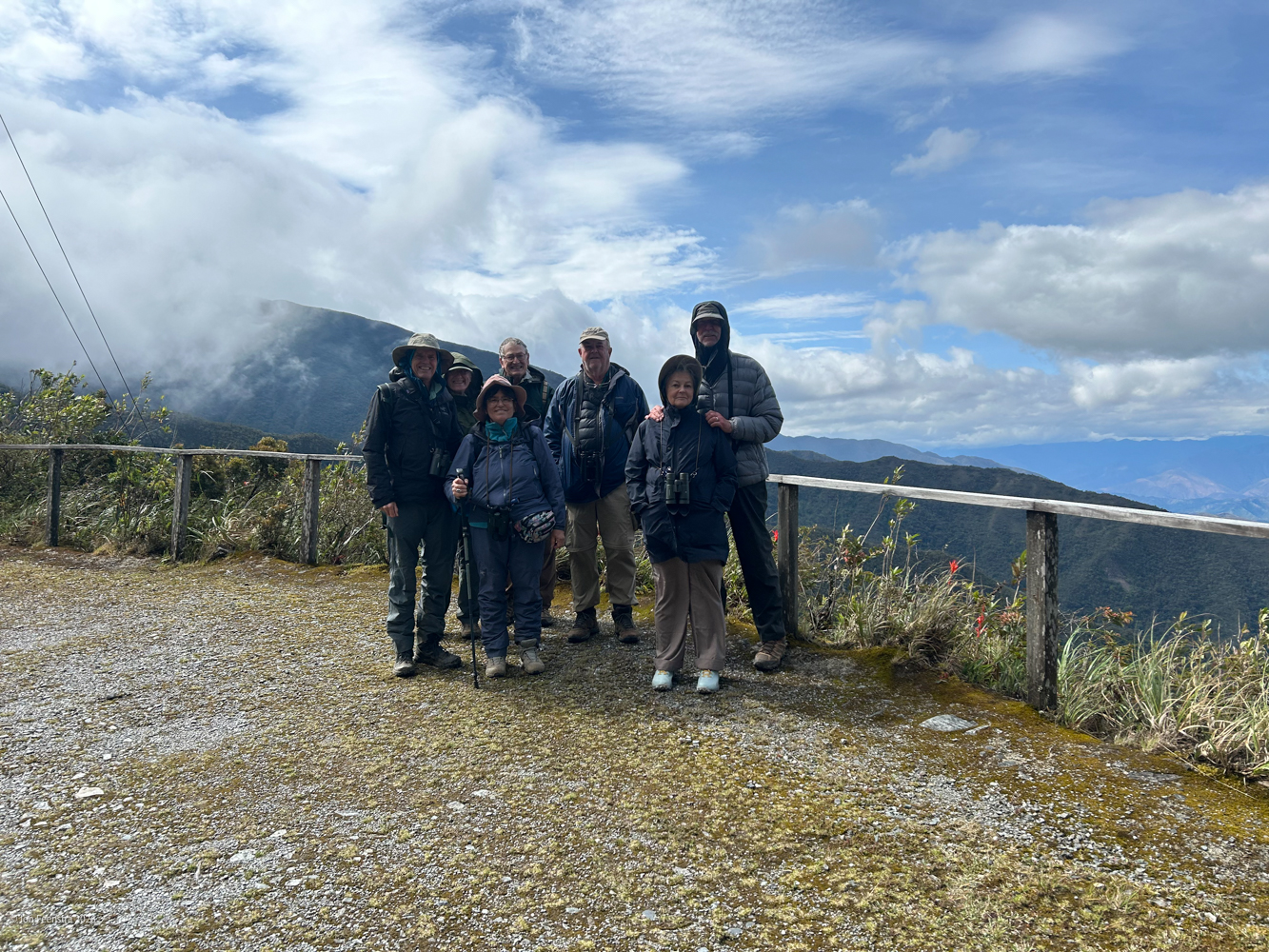
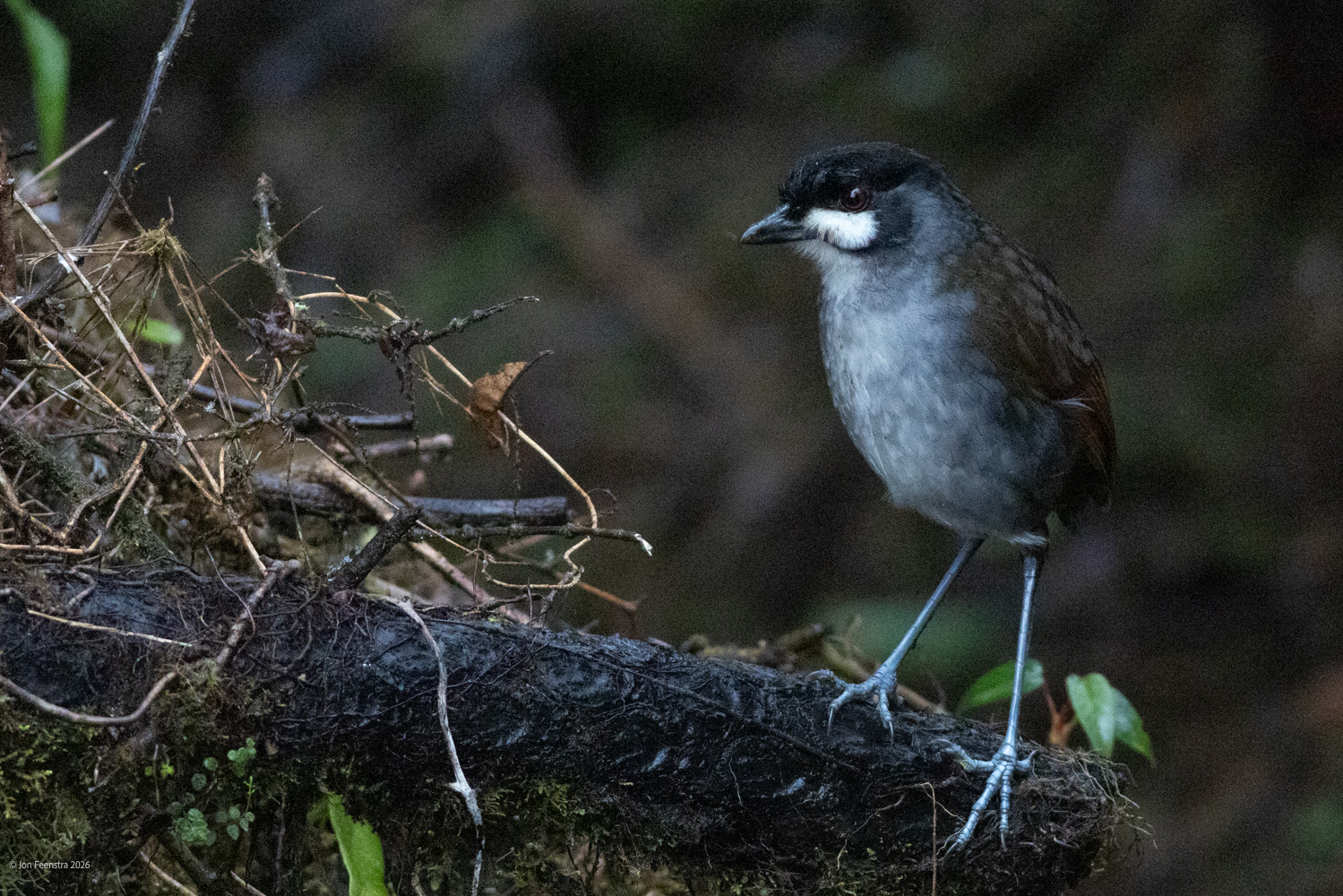
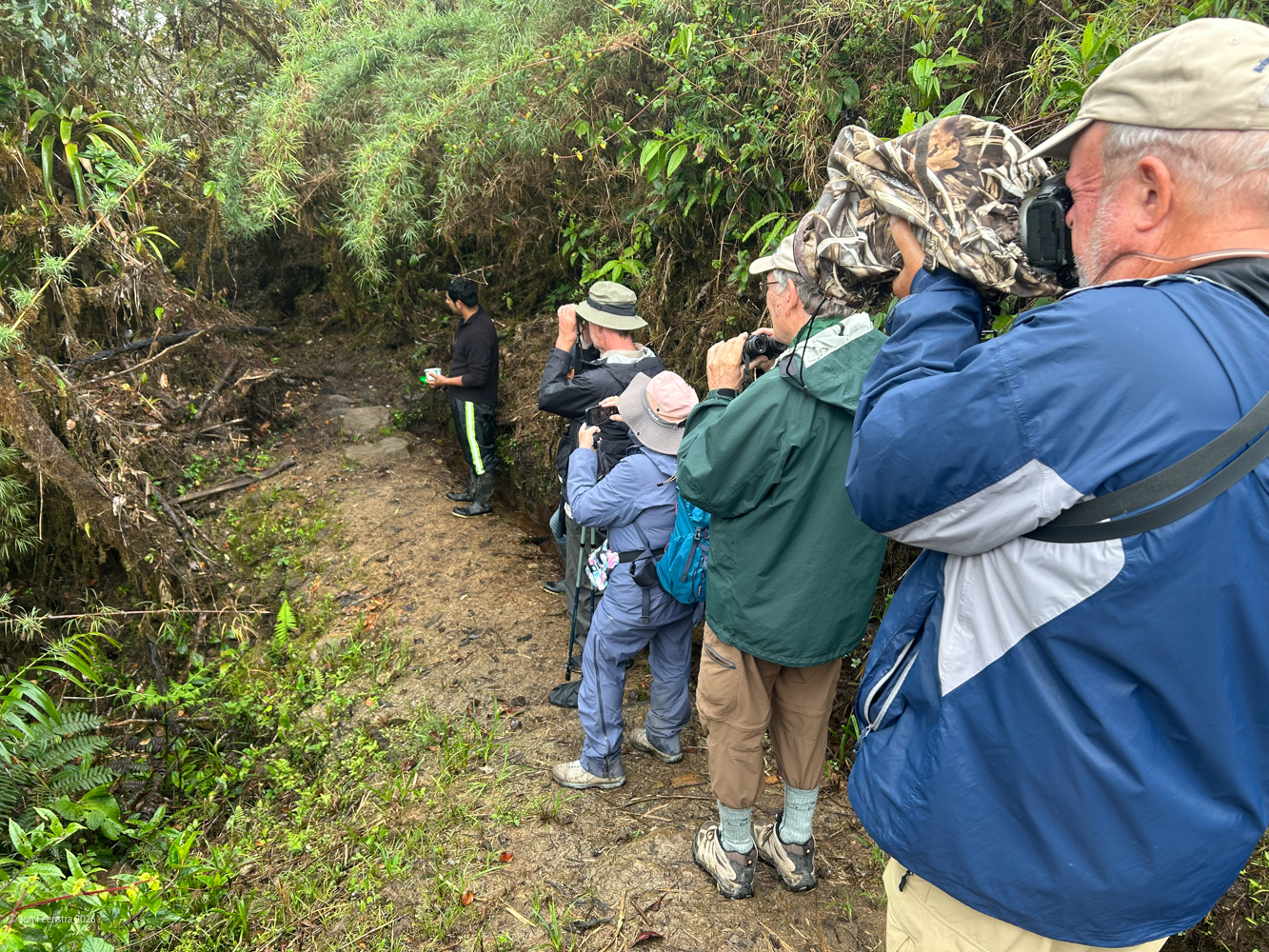
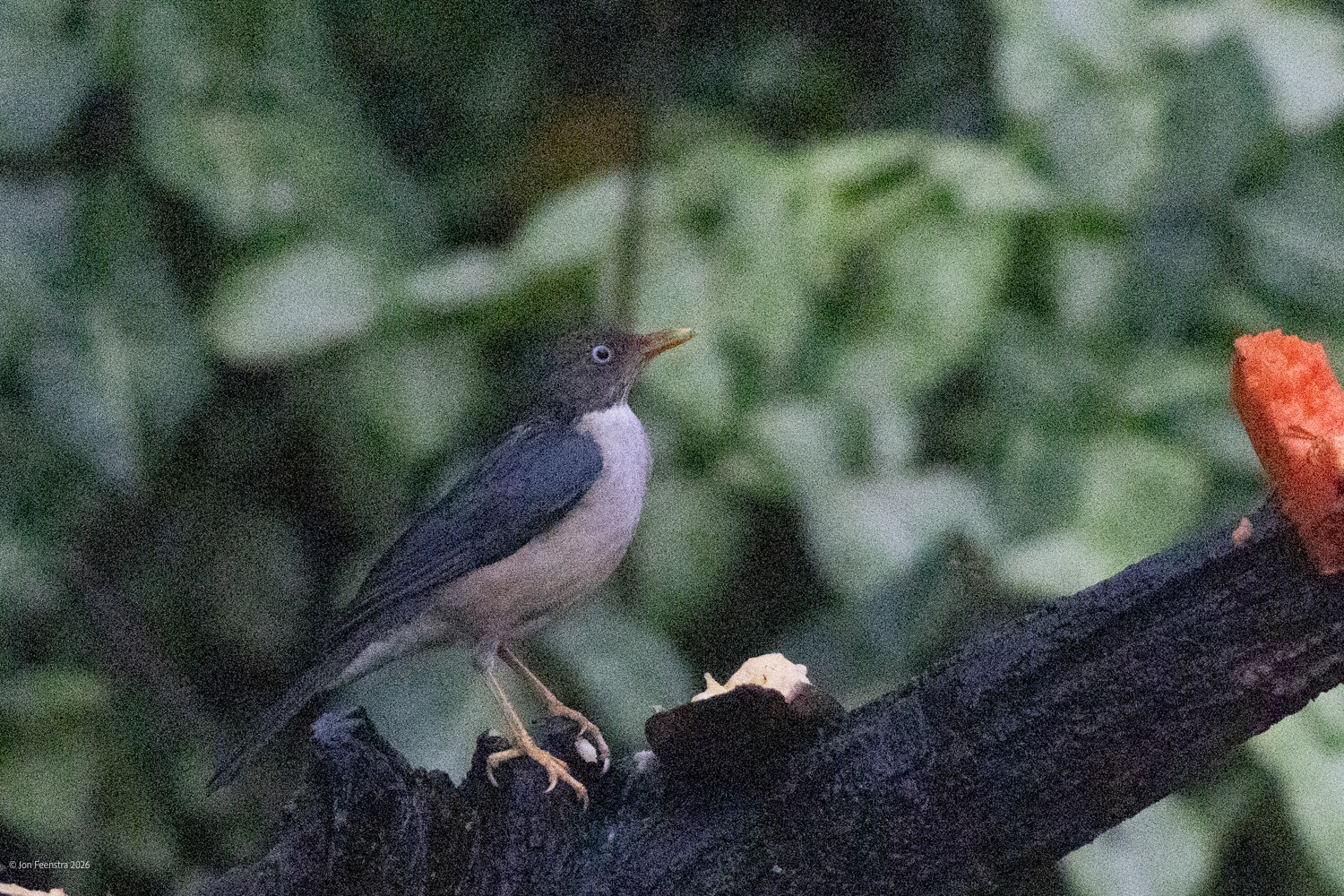
The next day was a day of bangers. It started with an encounter with Jocotoco Antpitta, one of the most charismatic birds in Ecuador. The pair of them cavorted around boldly in good light, without rain, and we watched them for as long as we wanted to. The weather deteriorated, however, so we dropped down about 500m in elevation along the highway to get below the rain and fog. It was fortunate because a stop with a decent flock also connected us with a pair of Crimson-bellied Woodpeckers, perhaps the rarest of the big woodpeckers in the area. After a return to the lodge for lunch, fog in the heights helped us make the decision to return to lower elevations, this time to the area around the town of Valladolid, nearly 1000m lower in elevation than the lodge. It was quite a bit warmer and the birds were different. There were Marañon Thrushes, Rufous-fronted Thornbirds, and a pair of Chivi Vireos attending a nest, but a singular highlight was a pair of outrageous Blue-naped Chlorophonias feeding on some berries. Our last bird of the day, and a big hit, was a circling Black-and-chestnut Eagle seen from the highway on the way back to the lodge. We stopped and it landed on a branch allowing us a scope view so we could see its colors and its spectacular crest.

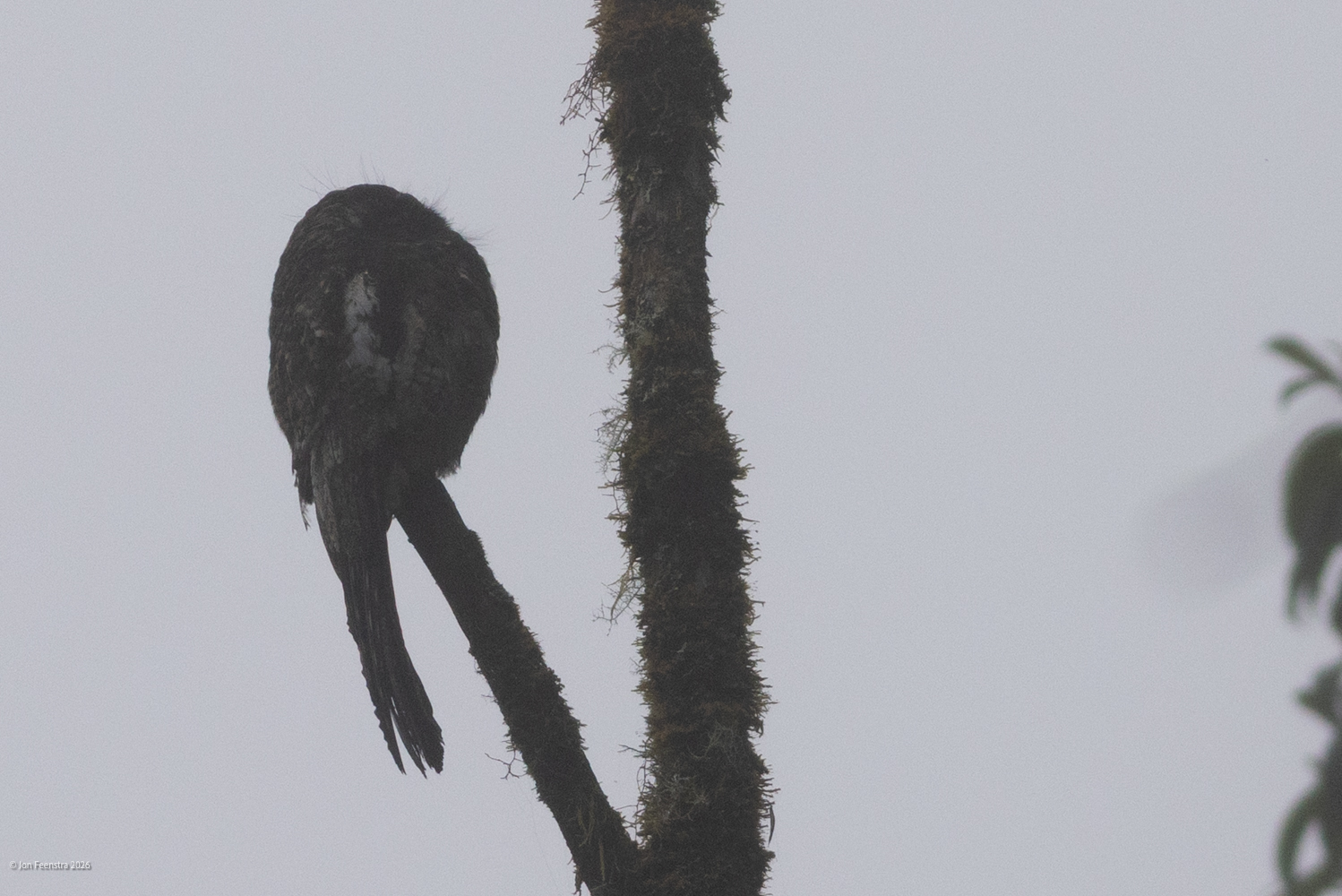
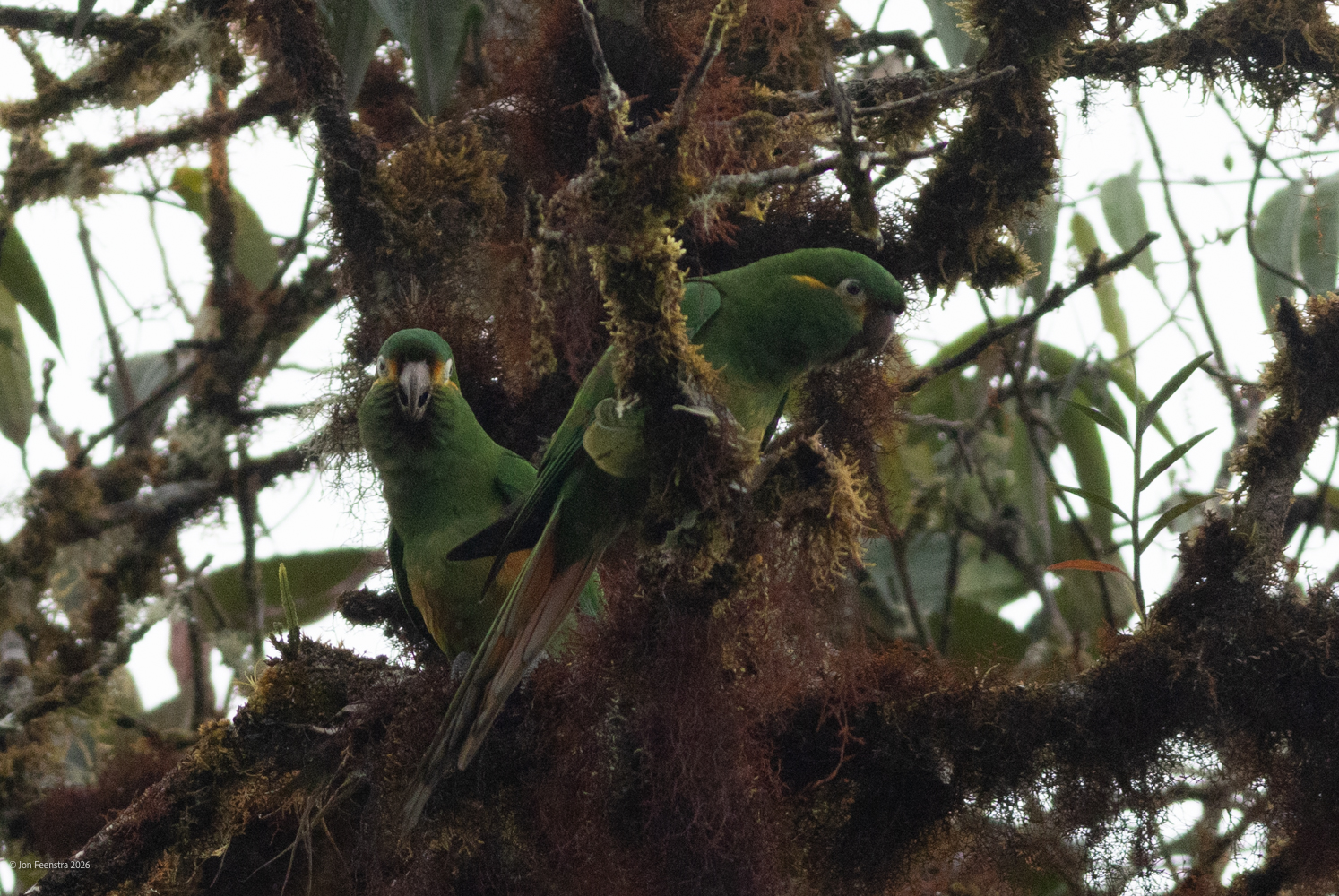
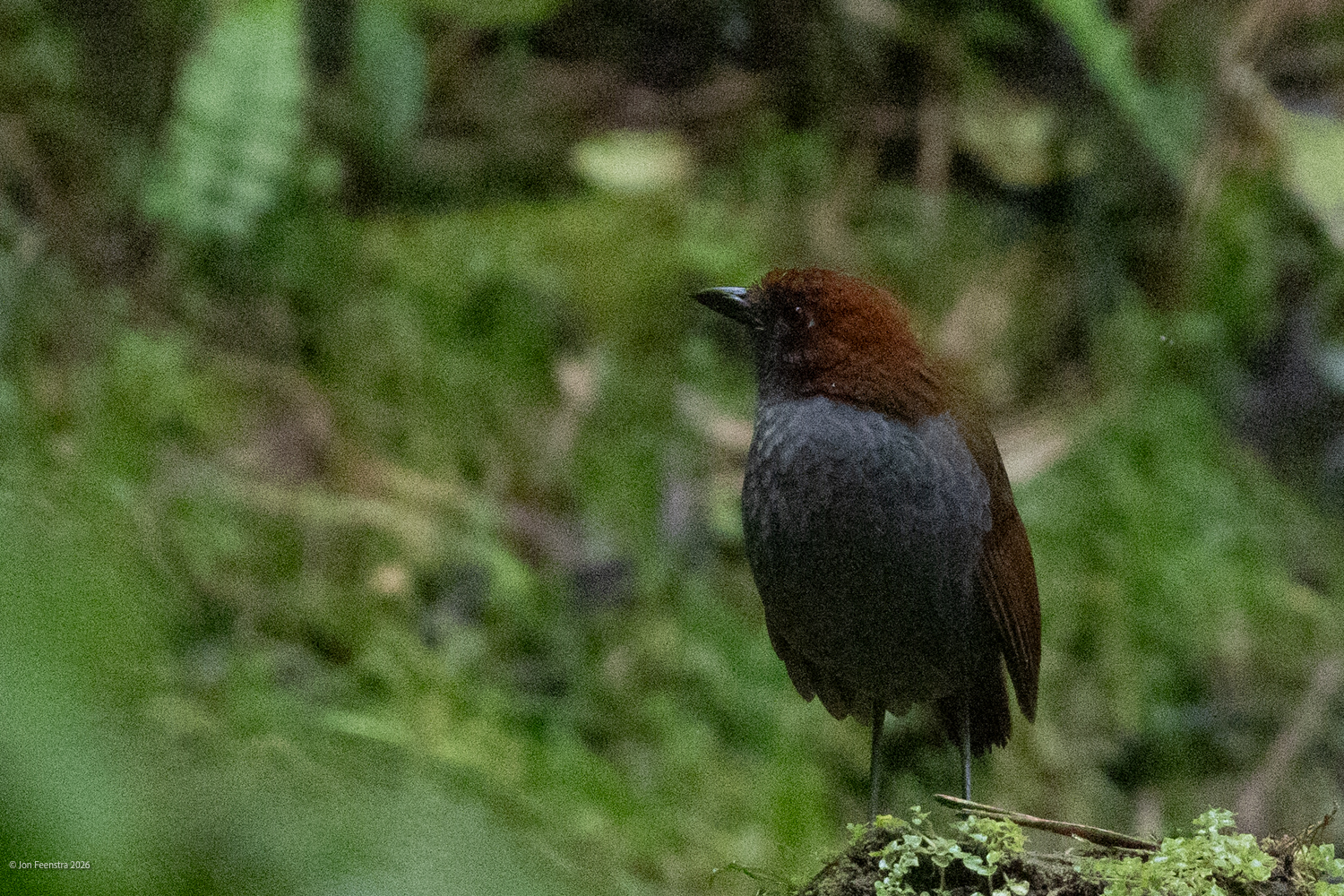
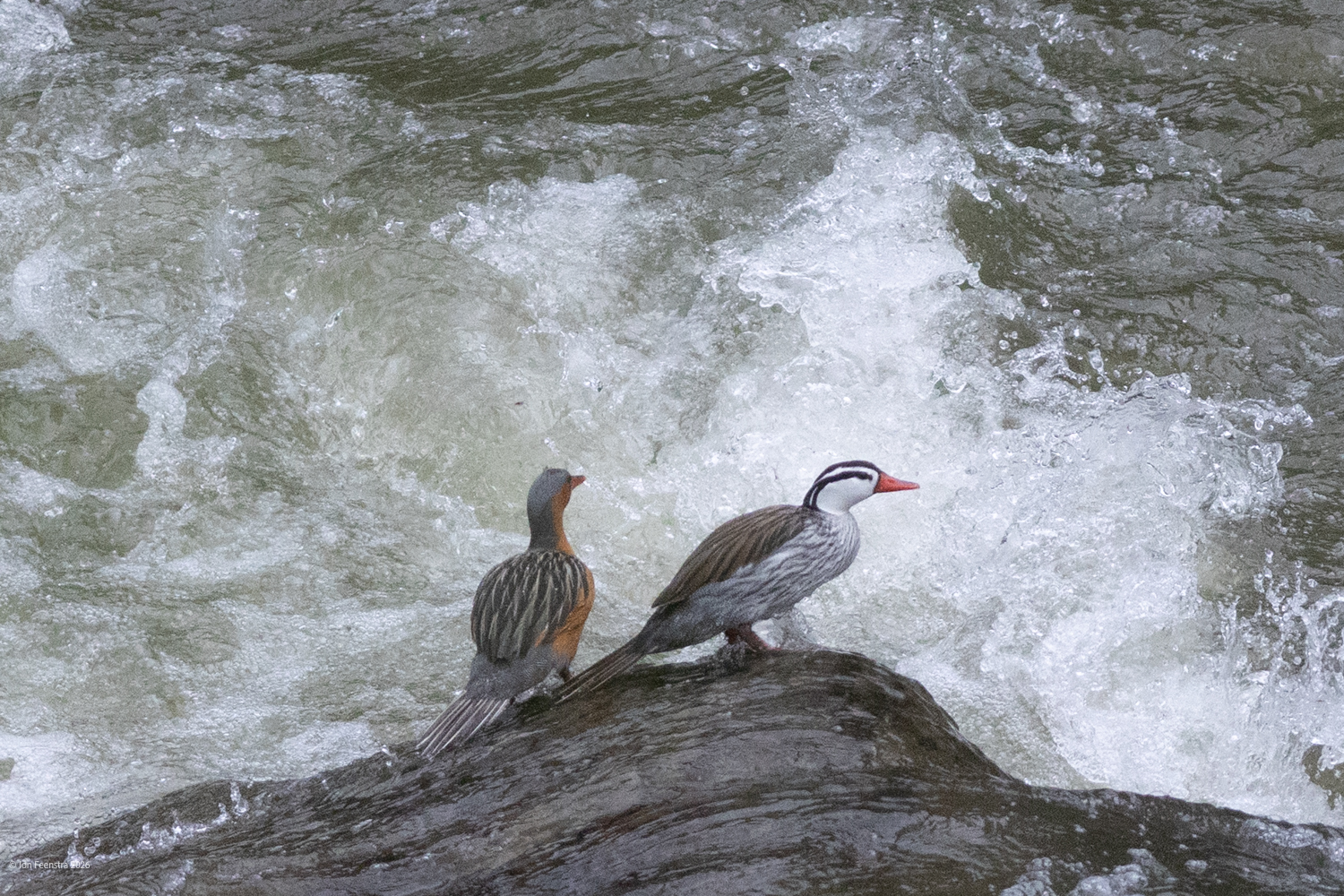
Still with some cloud forest birding to do, we spent the morning in the dense interior forest. There was some patchy fog first thing, but mostly we had good weather and visibility, and even some blue sky. The noisiest things we’ve yet encountered on this tour were numerous on the trail: Golden-plumed Parakeets screeching and screaming as they negotiated with each other on the possession of nest boxes fastened to palm trees. Below them, and more subdued, we also saw three species of antpitta: Chestnut-naped, Equatorial, and Slate-crowned. And even more subdued, a sleeping Andean Potoo did its best stump impression. We then left Reserva Tapichalaca and crossed the continental divide twice: once back into Loja province, then again back into Zamora-Chinchipe province having nearly circumvented the vastness of Podocarpus National Park. We made a stop along the Rio Zamora where we got our last suite of fancy birds: a pair of Torrent Ducks, a trio of White-capped Dippers, and a lone Oilbird tucked into a dark hole in a cliff. We ended up at Copalinga lodge in the Amazonian foothills outside the city of Zamora on the Rio Bombuscaro.
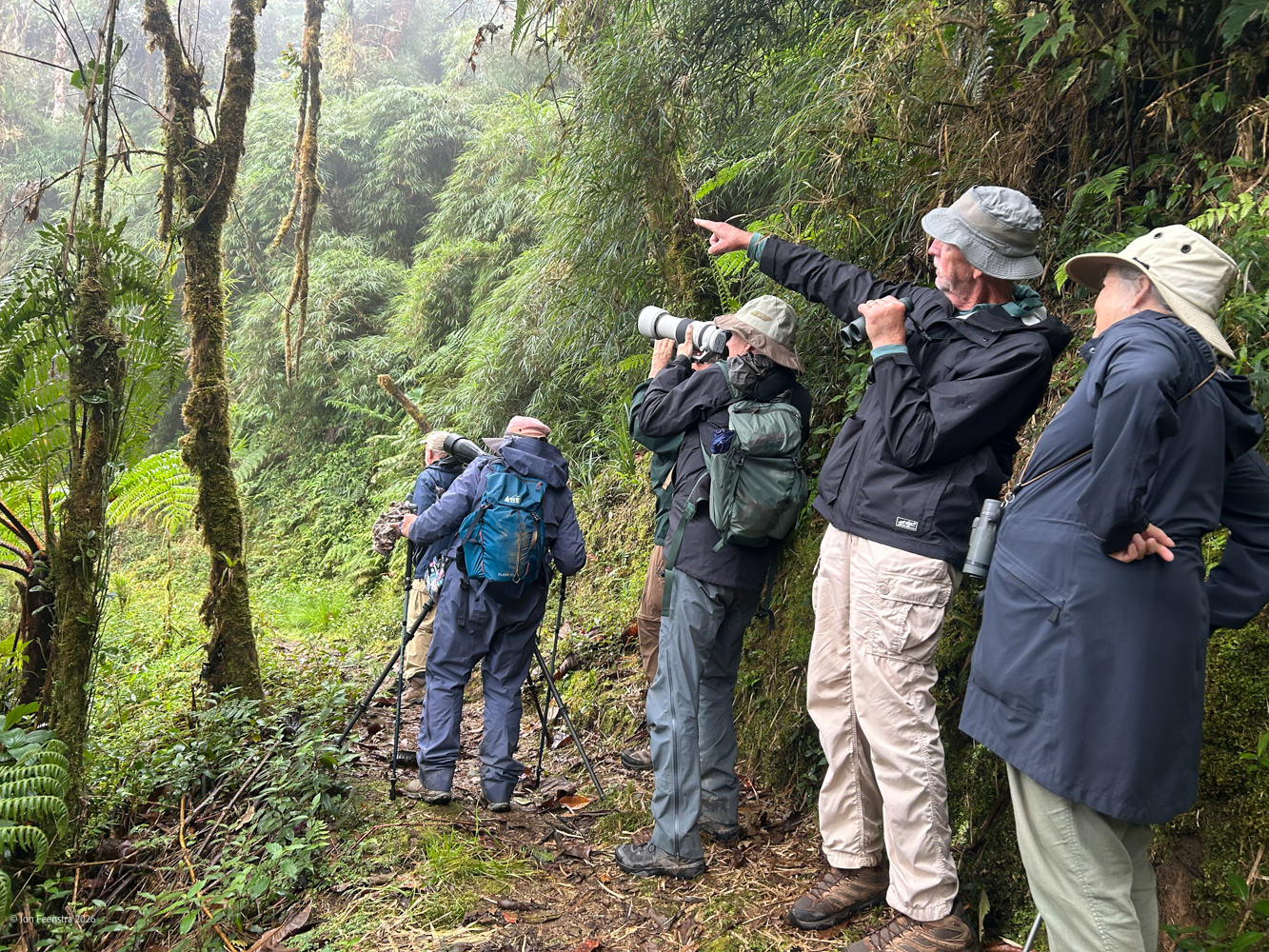
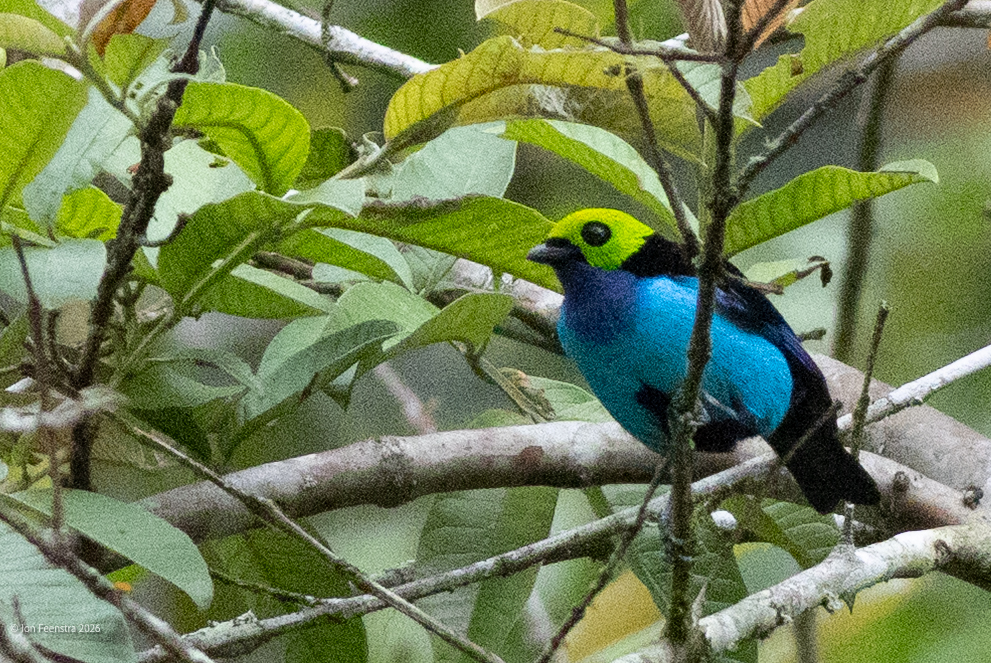
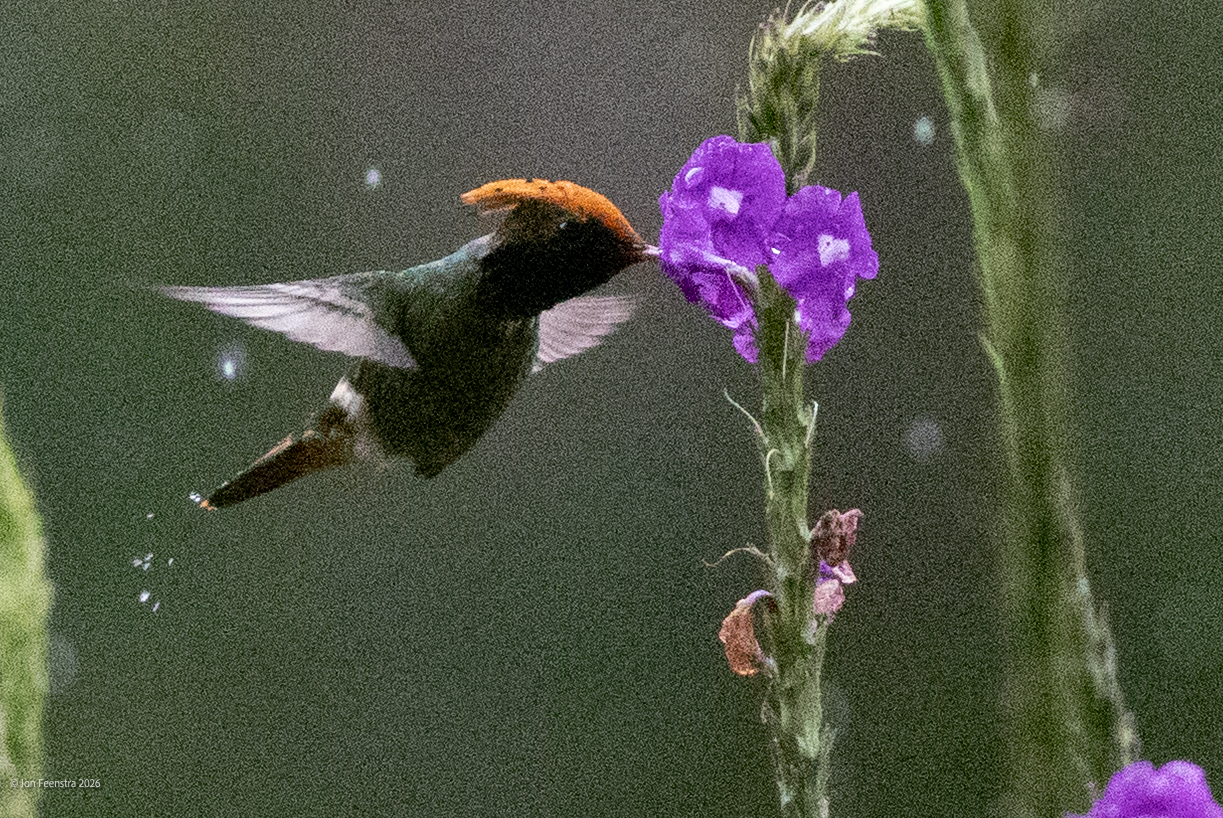
We hiked into Podocarpus National Park, this time at about 1500m lower elevation than we did a few days ago, and the forest and birds were quite different. This foothill rainforest was pretty quiet on the way in, strangely quiet, in fact. However, after a snack and a little patience at some fruiting trees, it really woke up. There were Paradise, Orange-eared, Blue-necked, Bay-headed, Golden-eared, Golden, and Green-and-gold Tanagers. We also saw the local specialties Foothill Elaenia and Bronze-green Euphonia. Not to be outdone were perhaps four Amazonian Umbrellabirds moving around through the trees. We hiked to a waterfall and encountered one of the waterfall specialists, a Green-fronted Lancebill. Back at the lodge, with off-and-on rain we mostly just hung out in the parking lot as birds moved through the trees around us. We had more encounters with tanagers, but our singular highlight was a male Spangled Coquette at the verbena flowers. We all booed when it got chased off by a pushy Sparkling Violetear. During dinner a Sickle-winged Guan snuck in to eat some of the corn at the feeder, and after dark we were treated to a spotted paca at the very same corn.
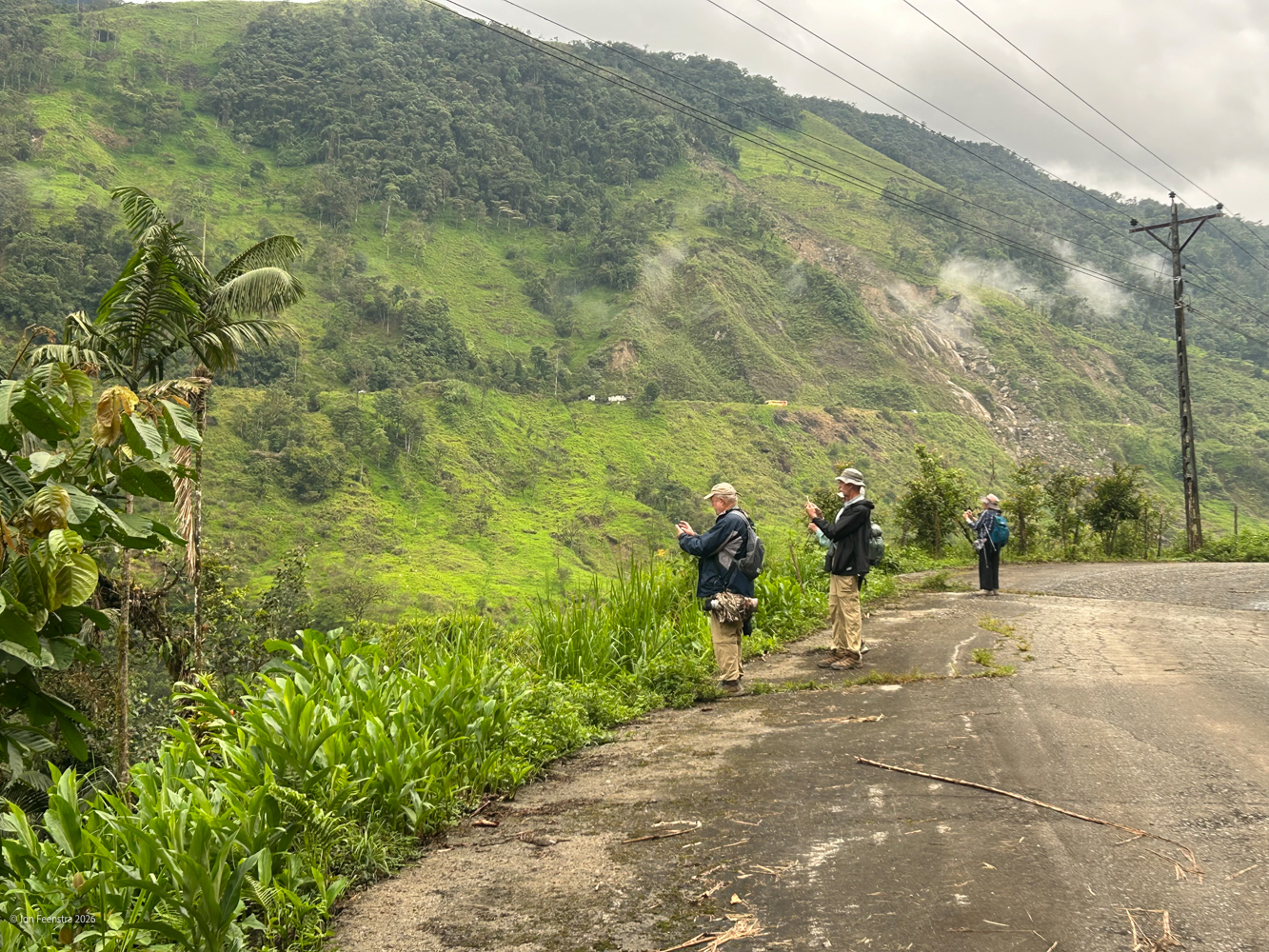
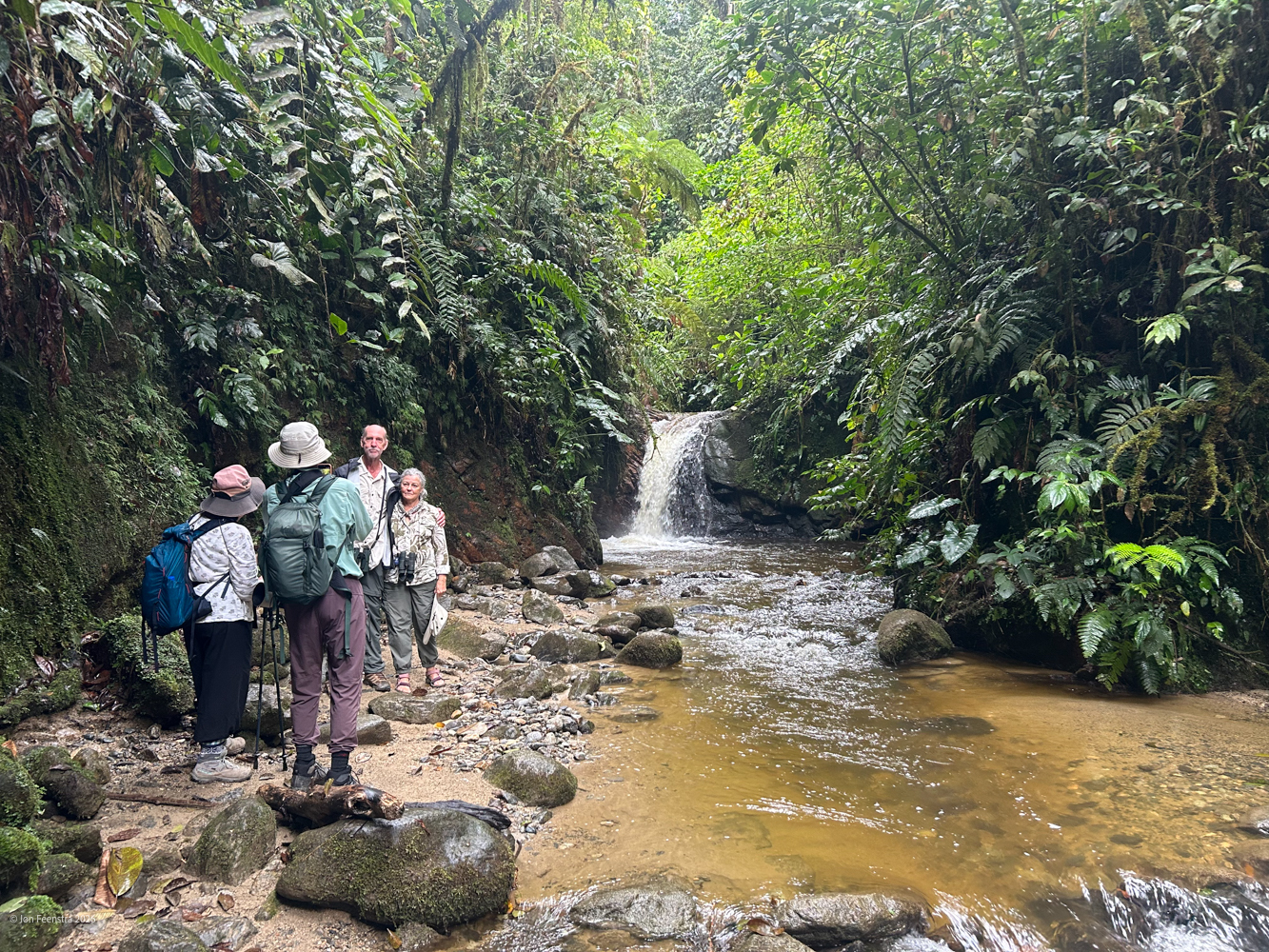
Without going too far from the lodge, we visited to old highway across the valley. With the new highway in full use, this old road was excellent, and provided relatively traffic-free access to some nice forest. There weren’t too many things moving around, but we did have a small mixed flock and saw some accommodating Lemon-browed Flycatchers. We also found a nest of Green Jays. The feathered young were in a pile that far outsized their comparatively tiny nest. We returned to the lodge to get our things then left for the Nangaritza Valley nestled in the ridges of the Cordillera del Condor. We made a few stops in some low country habitat and saw one of the signature birds of the lowland Amazon, the charismatic and a little nuts, Black-capped Donacobius. We also found some other typical things of the lowlands like Chestnut-eared Araçari and a perched up, and well lit, Blue-headed Parrot. The weather was beautiful all day and we enjoyed every bit of it.
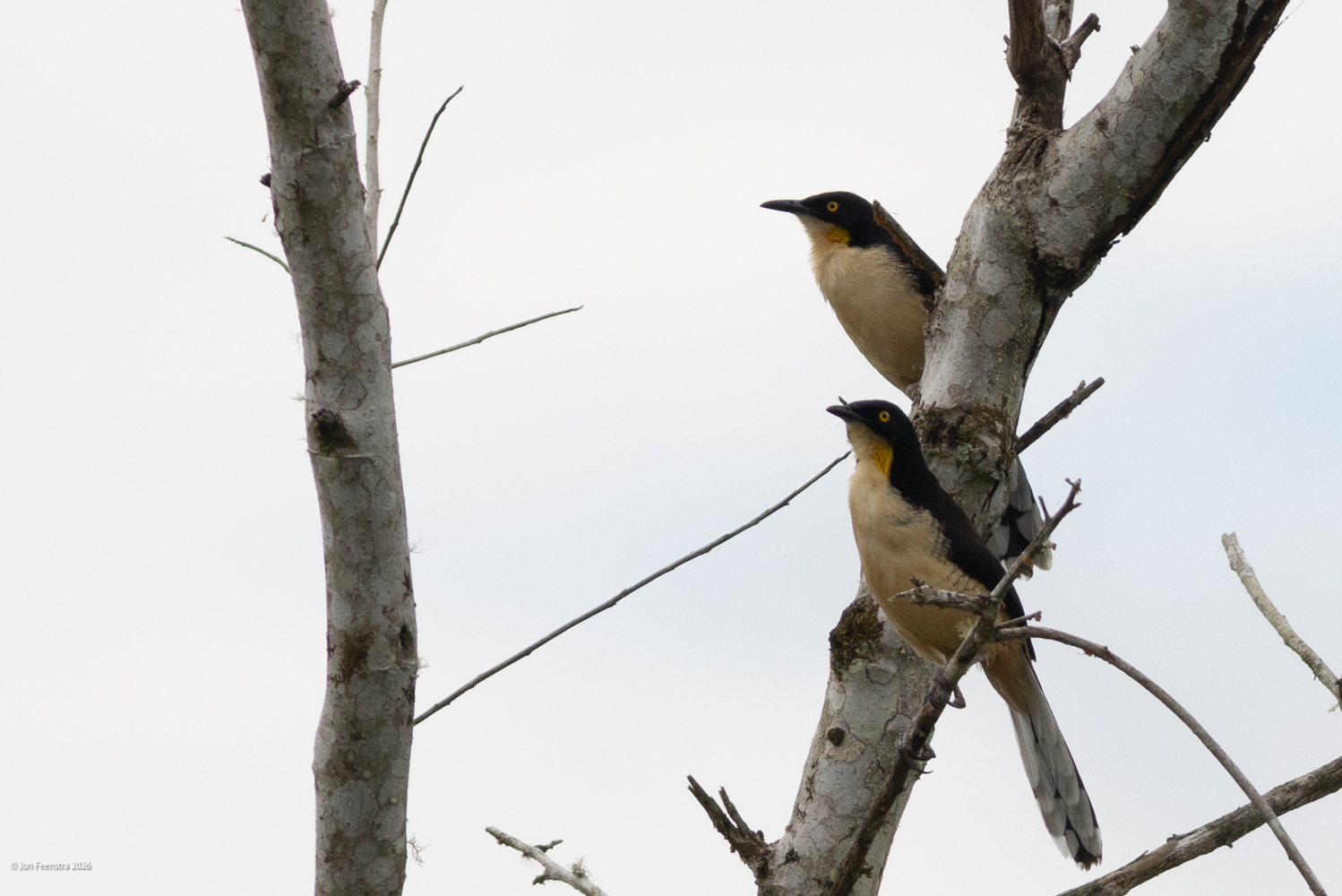
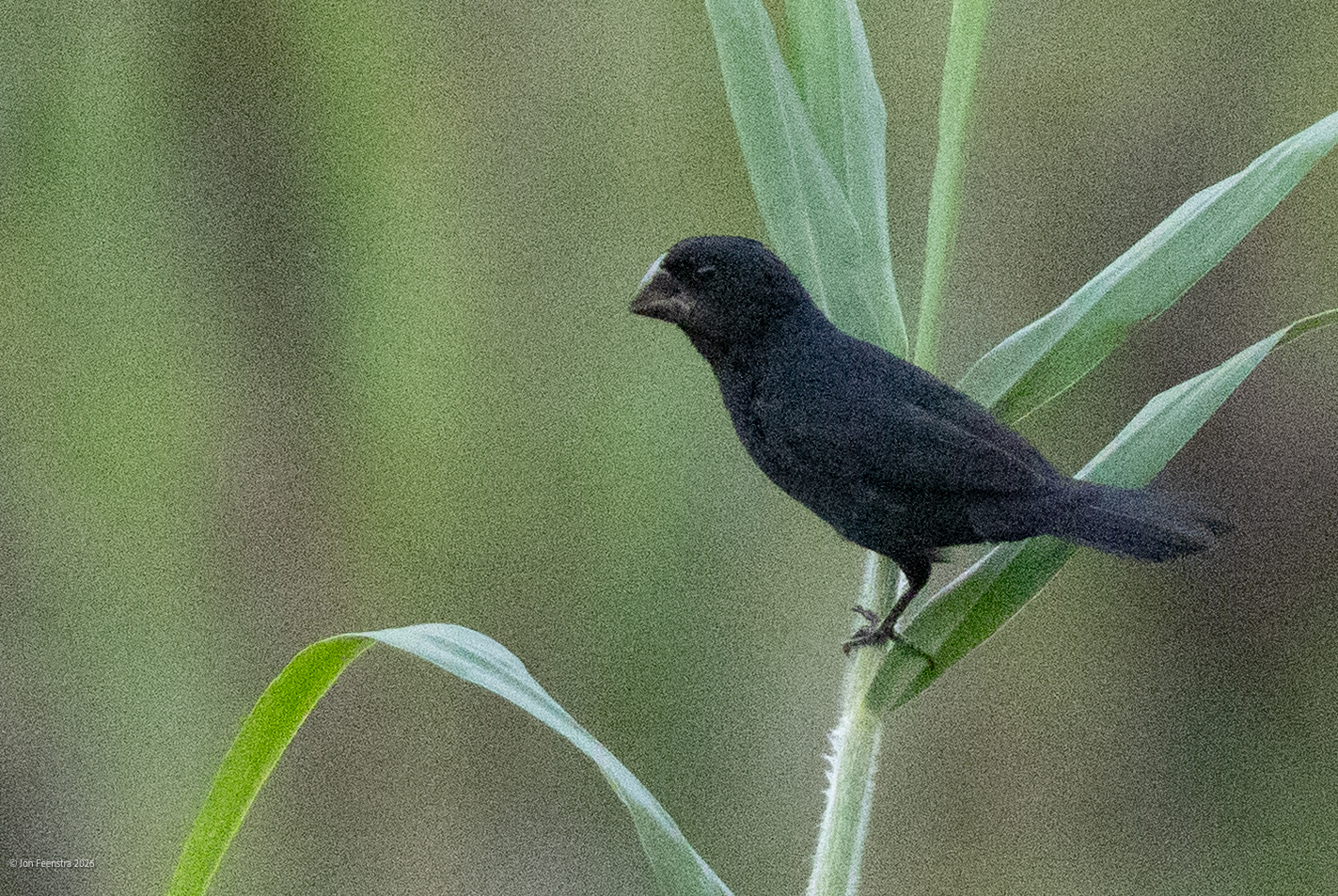
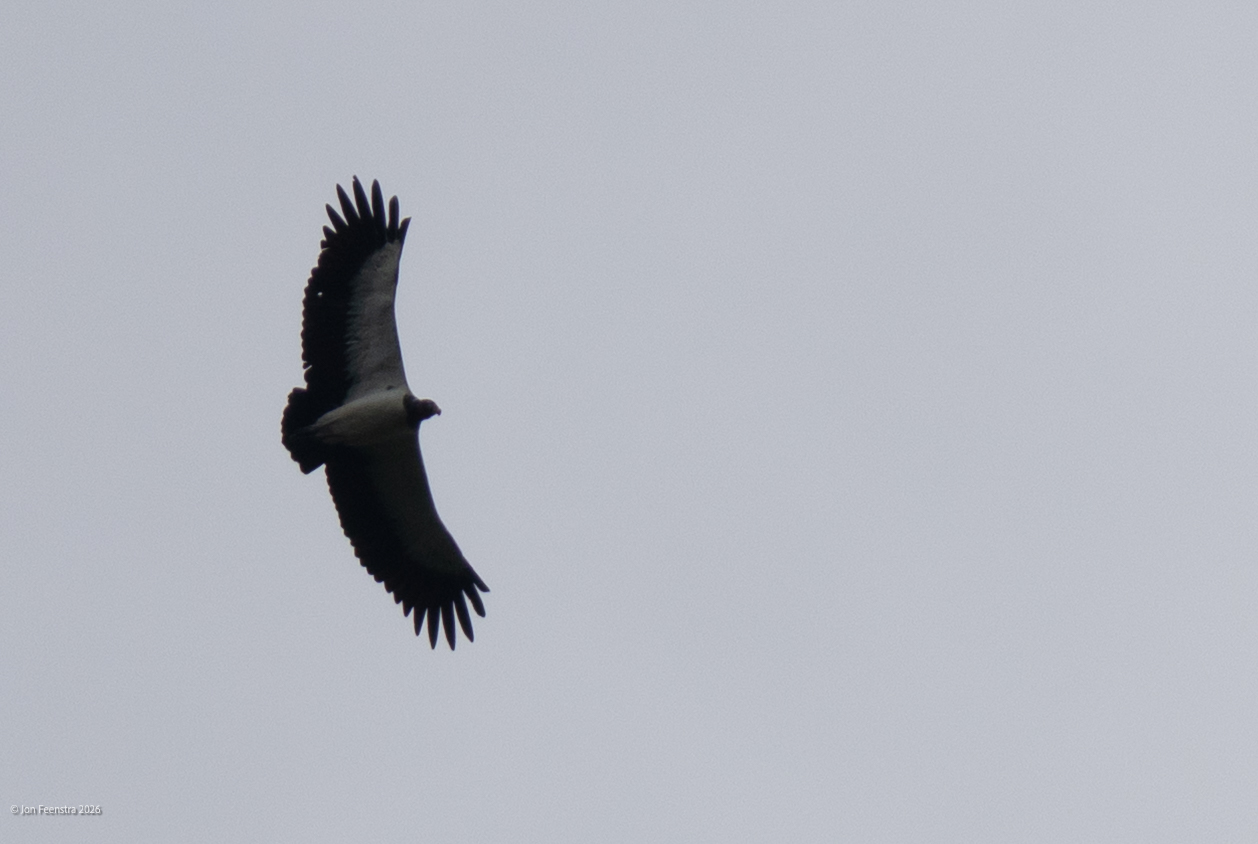
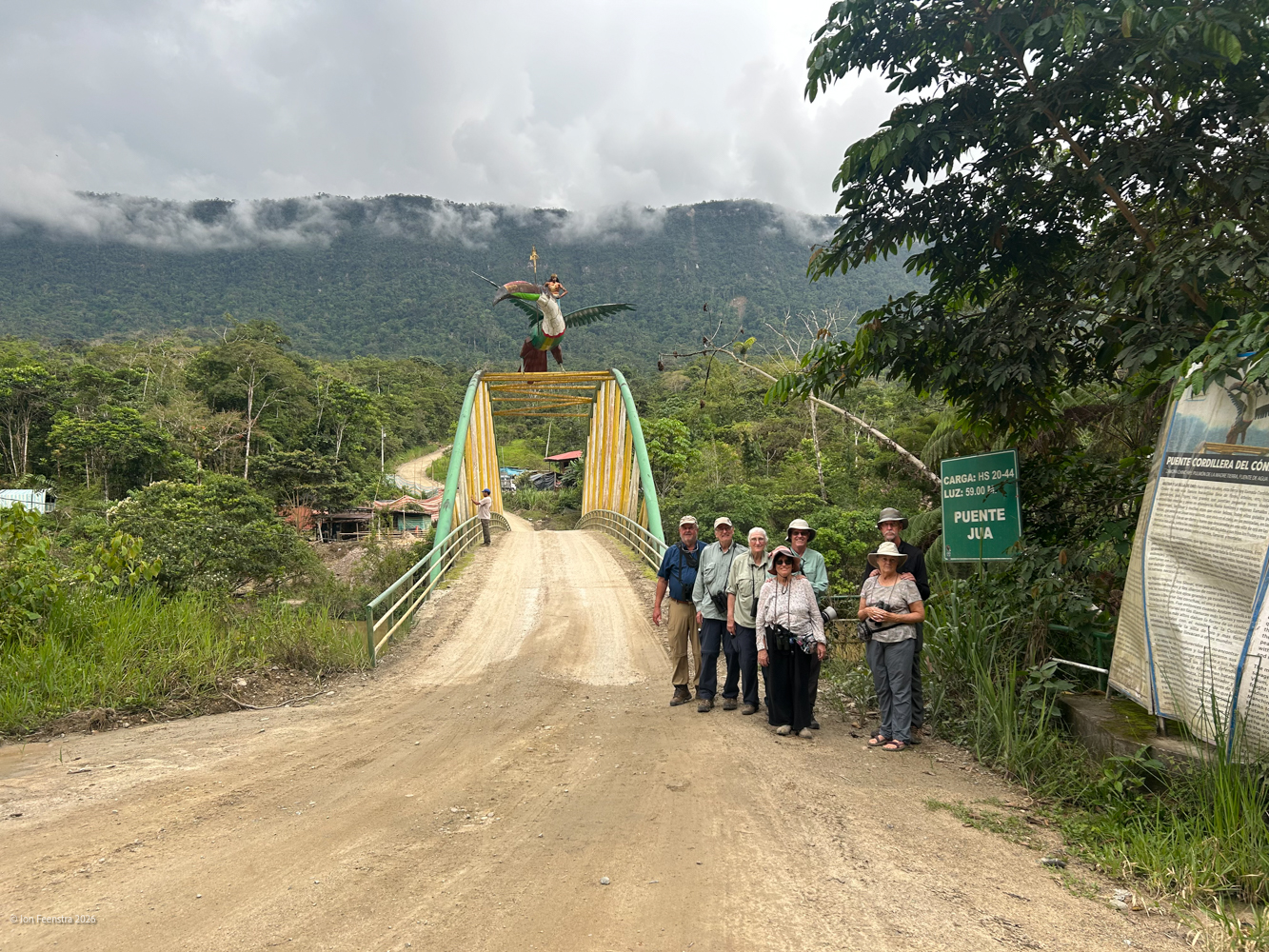
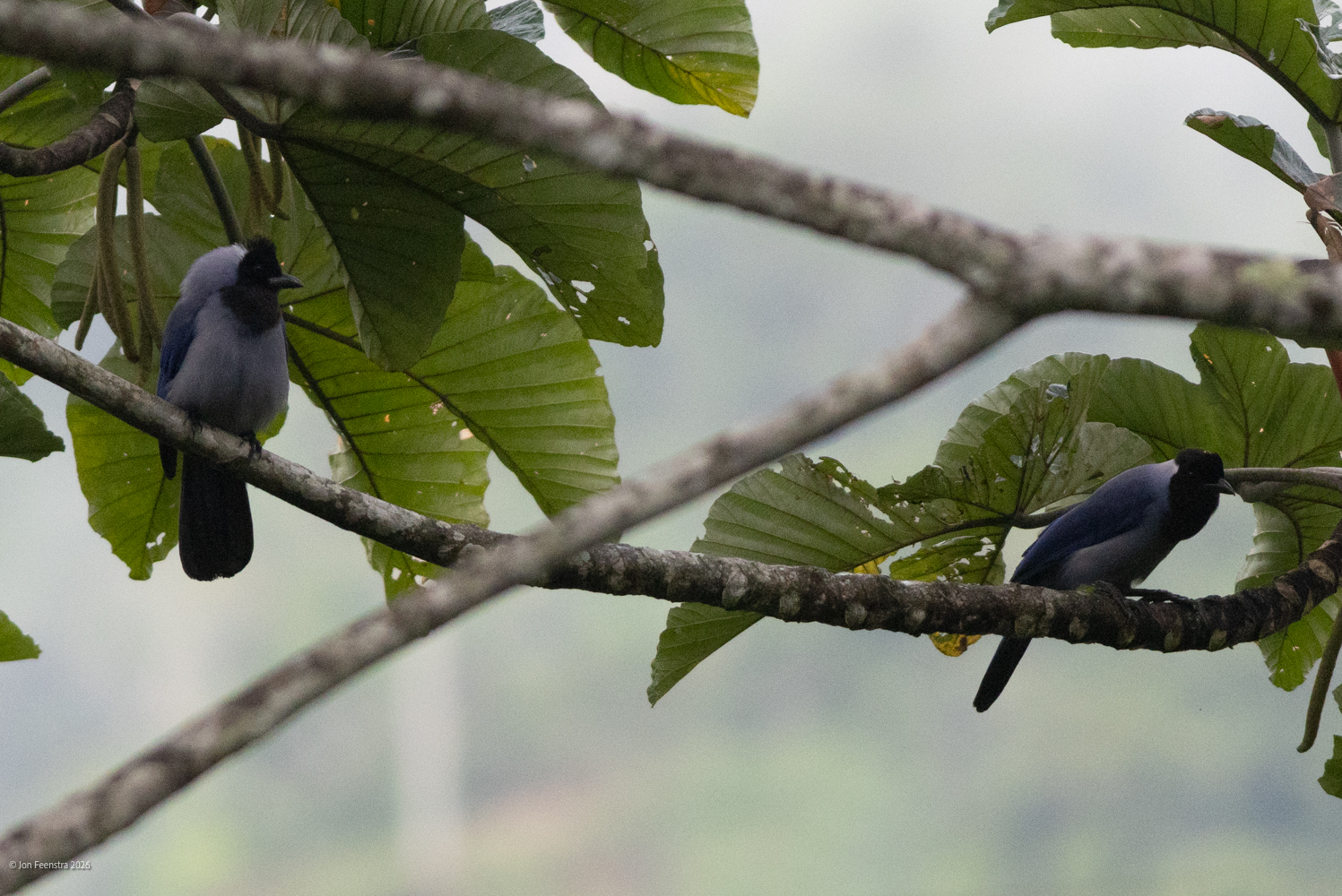
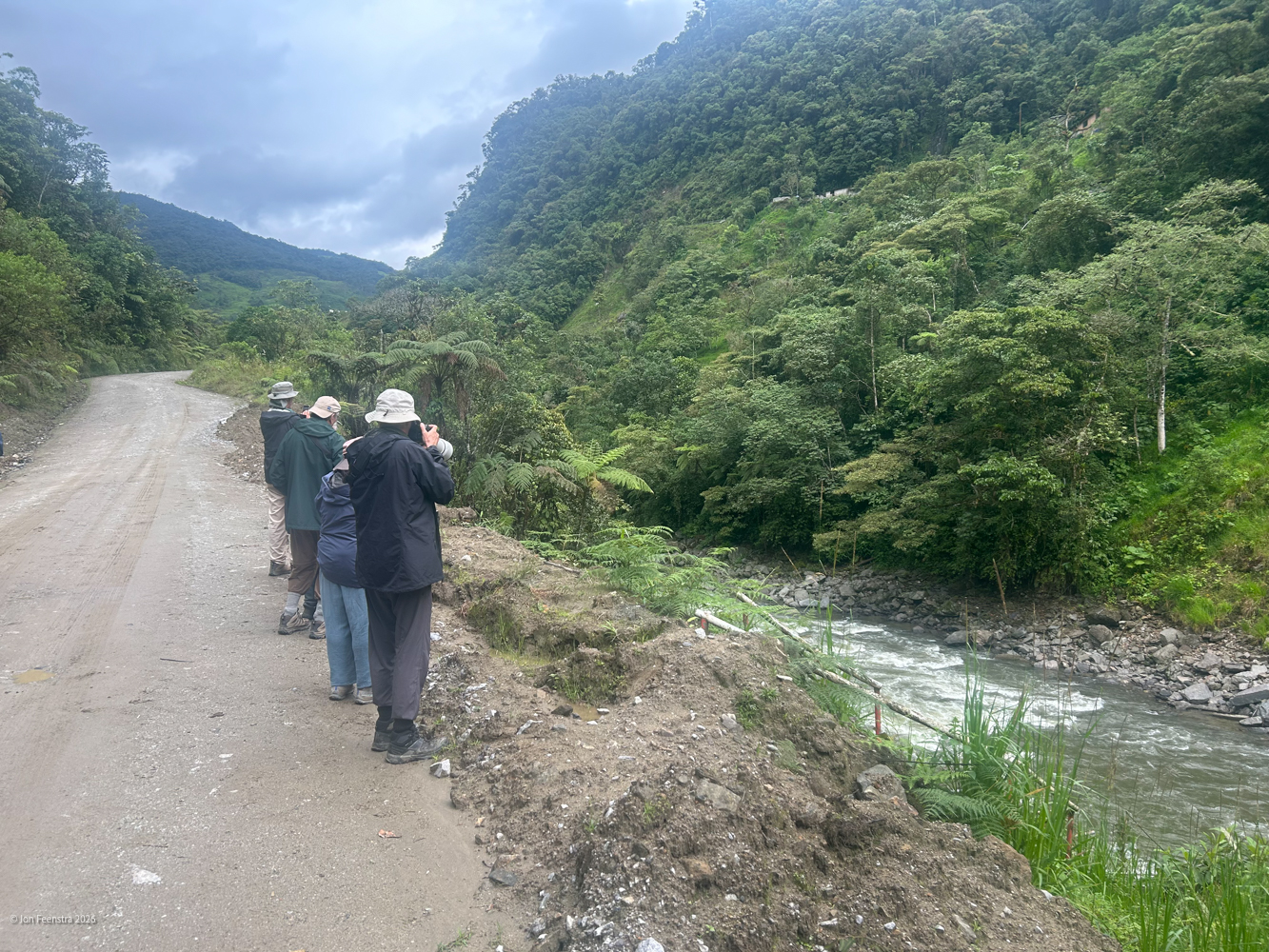
Though illegal gold mining in the river has ended the remote peace of the place these last few years (and last night's sleep), the forest persists. The road through the Maycu forest reserve started slow, but got busy in a hurry. We saw three Orange-throated Tanagers, the sought-after, and spectacular, specialty of this remote area. But, we also saw a bunch of other cool stuff like Purplish Jacamars and a less charismatic, but scarce Euler’s Flycatcher. We then followed the road to where it just barely dips into Peru for a few hundred meters. It’s just some secondary habitat, but it’s fun birding and easy to see a lot in this sort of stuff. There was quite a bird storm with tanagers and flycatchers and such, and we also saw a pair of Lemon-throated Barbets working on a snag, presumably for a nest site. In the understory we got pretty decent looks at some dueting White-browed Antbirds. Then the show was stolen by his majesty the King Vulture that soared overhead. We hopped into the van and made it back to the lodge just as a ferocious rain storm gave everything a good battering. After lunch, to retreat from the non-stop mining noise, we opted to return to Copalinga for a night.
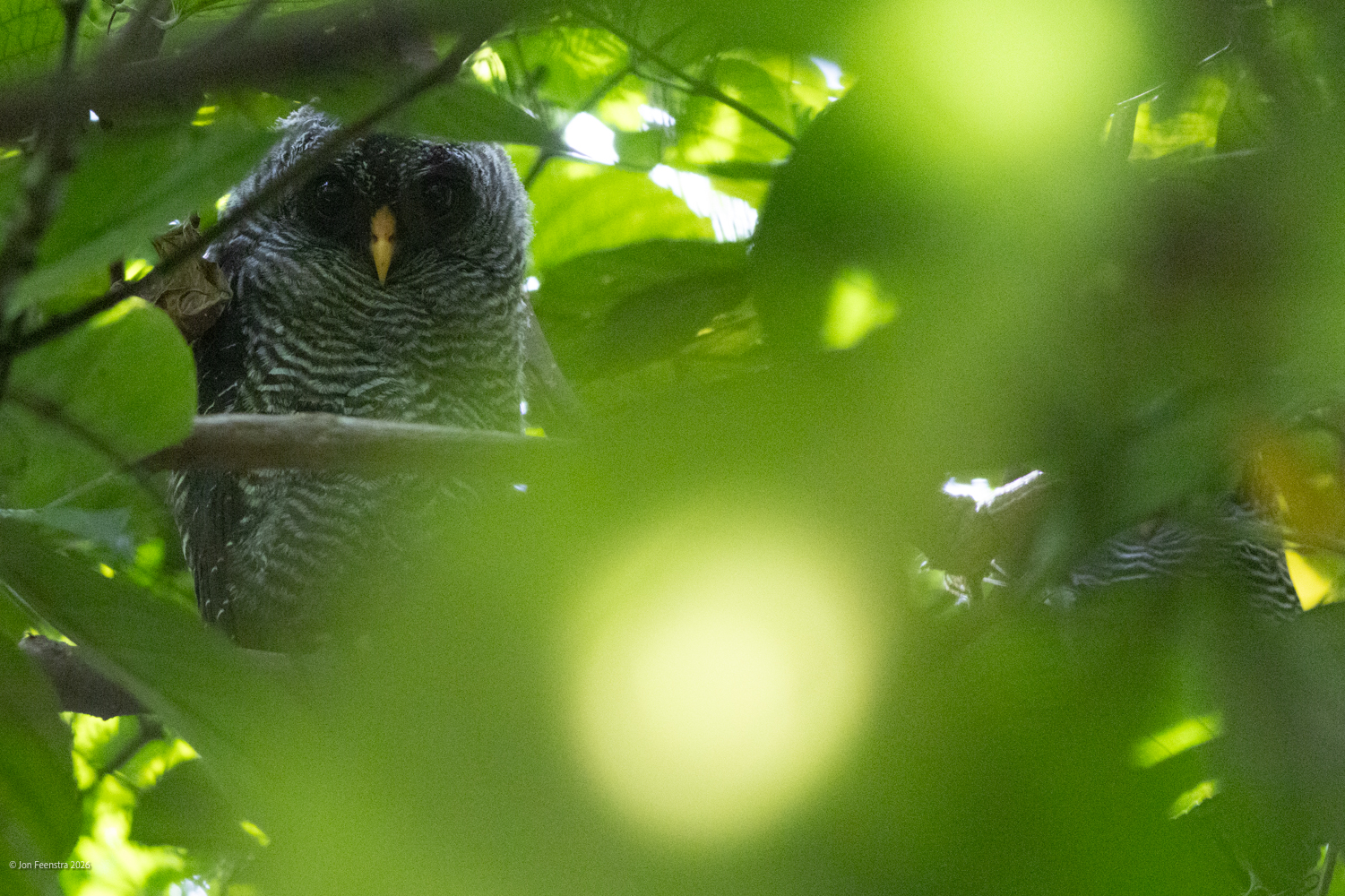
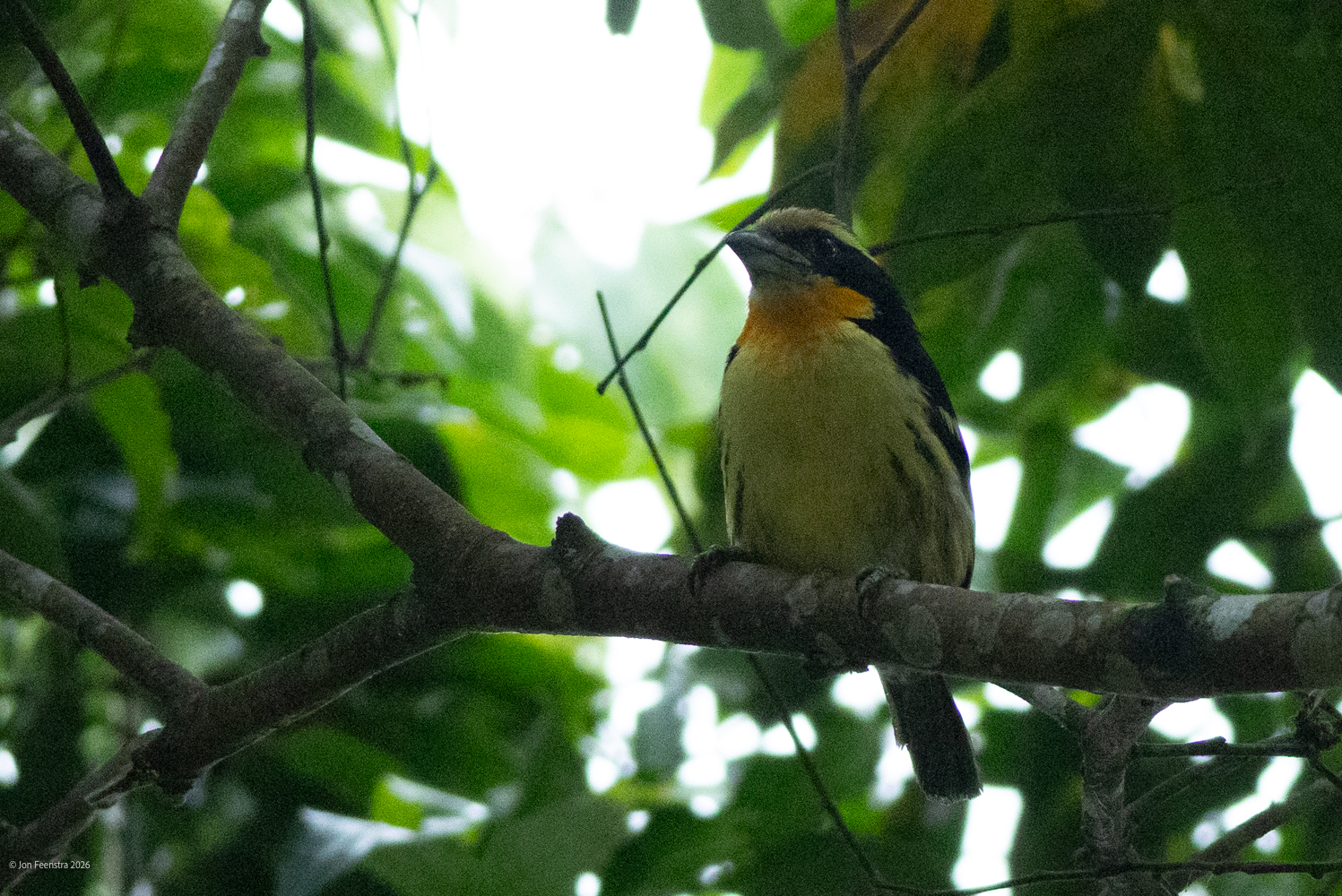
Since we had birded the critical locations near Copalinga already, we reached into the back bench of local birding spots and did some back roads of the suburbs of Zamora. We found a few new things, but we really enjoyed better looks, or catch up looks, at some species we had already seen, but now had more time to watch. For example, we saw the ridiculous (not to them) displays of Russet-backed Oropendolas. We also watched an adult Violaceous Jay feeding a grown fledgling. In the clear, sunny morning a Roadside Hawk came circling up out of the valley below us really allowing us to appreciate its beautiful rusty-colored wings. Being on a hill also gave us the rare opportunity of looking down on a male Gilded Barbet in a tree below us. From there we worked our way back to Copalinga Lodge for lunch along the road by the river. An amazing sight was a male Spangled Coquette perched up on the top of a stick above the forest canopy. We were looking down on it from the road and it sat there turning its crazy crested head left and right until we got tired of looking at it. In the afternoon we followed a tip and found a family of Black-banded Owls roosting in a vine tangle behind the discoteca in the city of Zamora. We retraced our path from a few days ago and arrived in the city of Loja for the night.
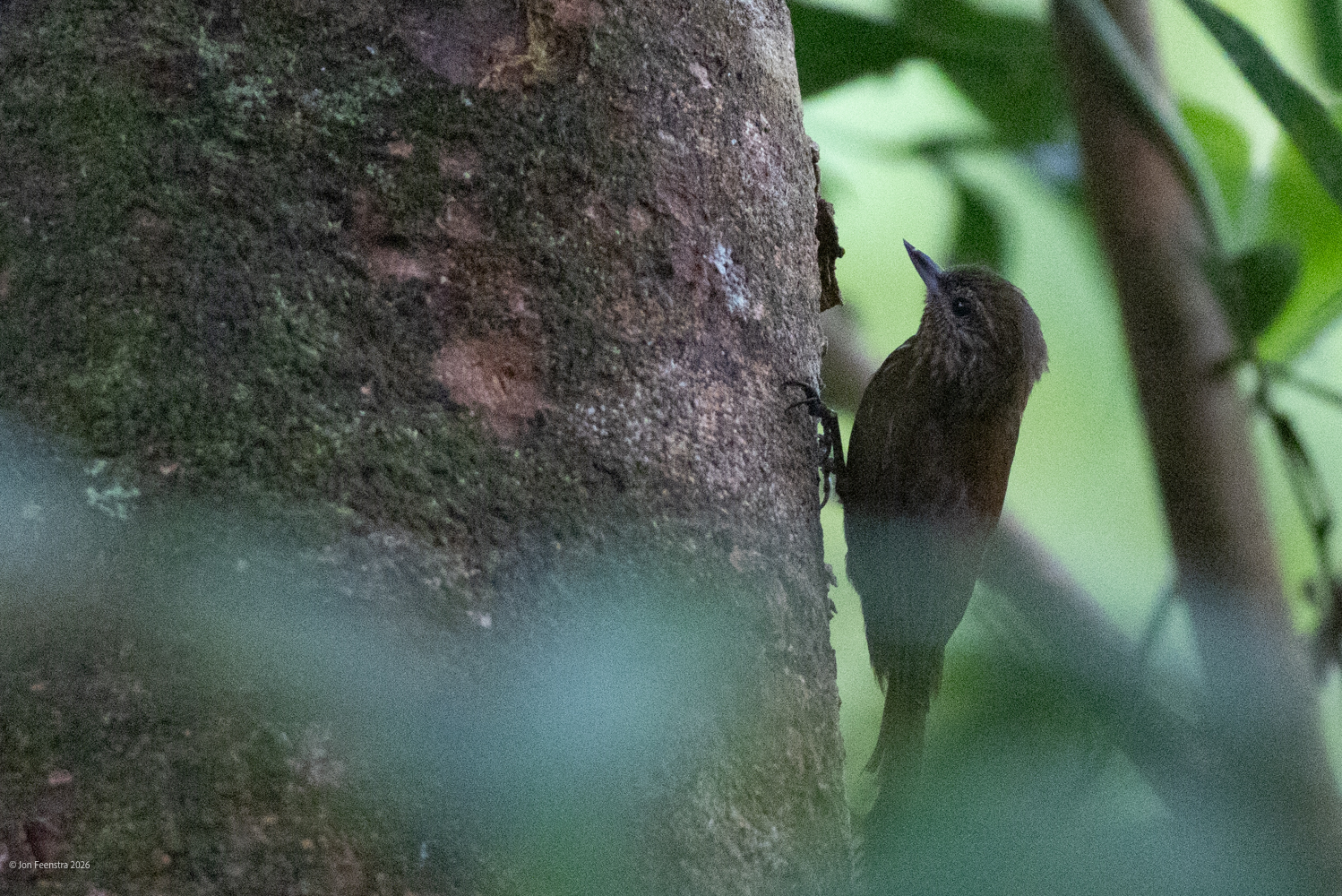
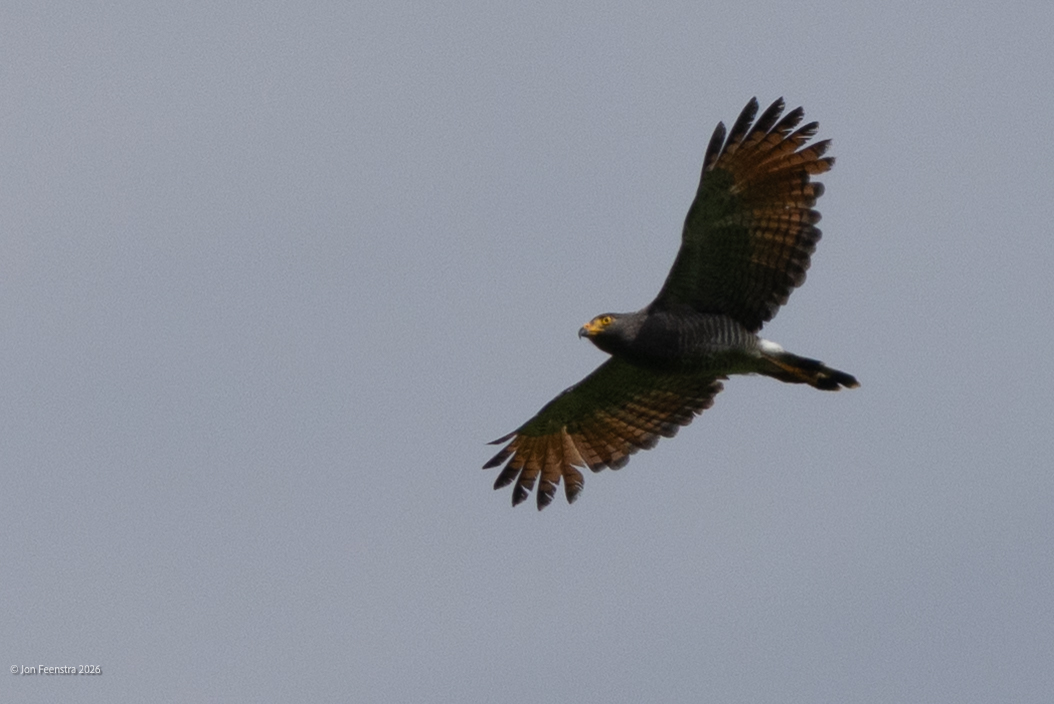
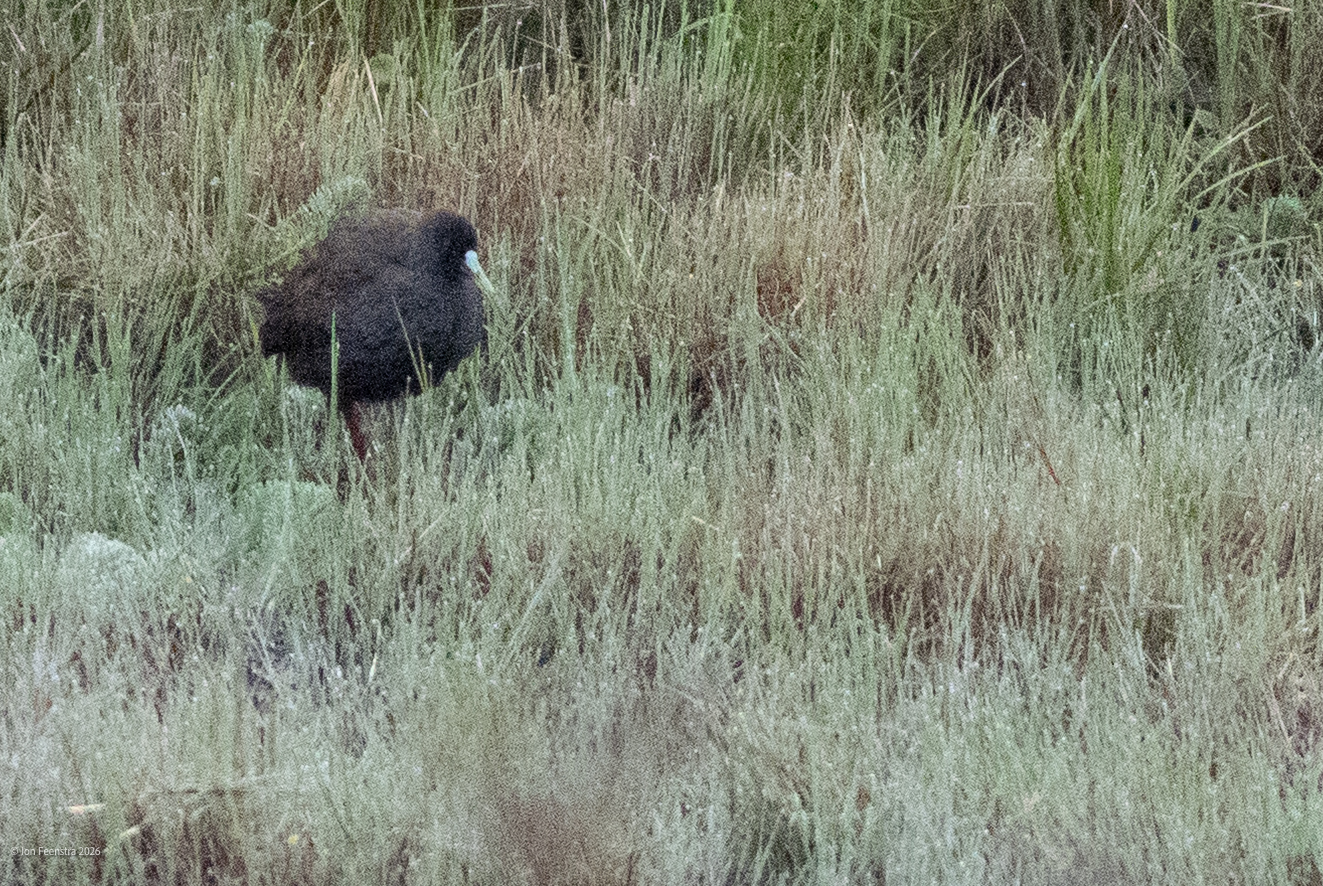


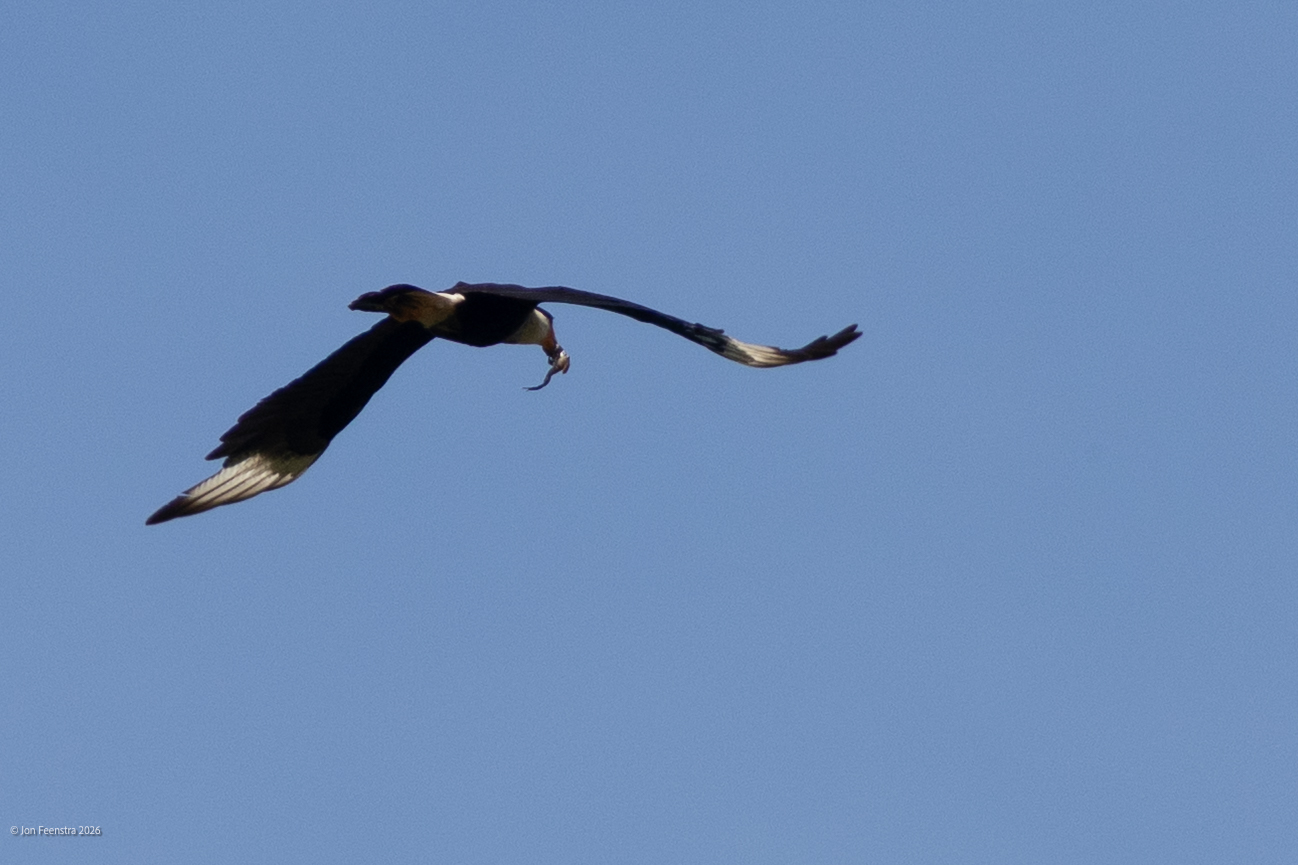
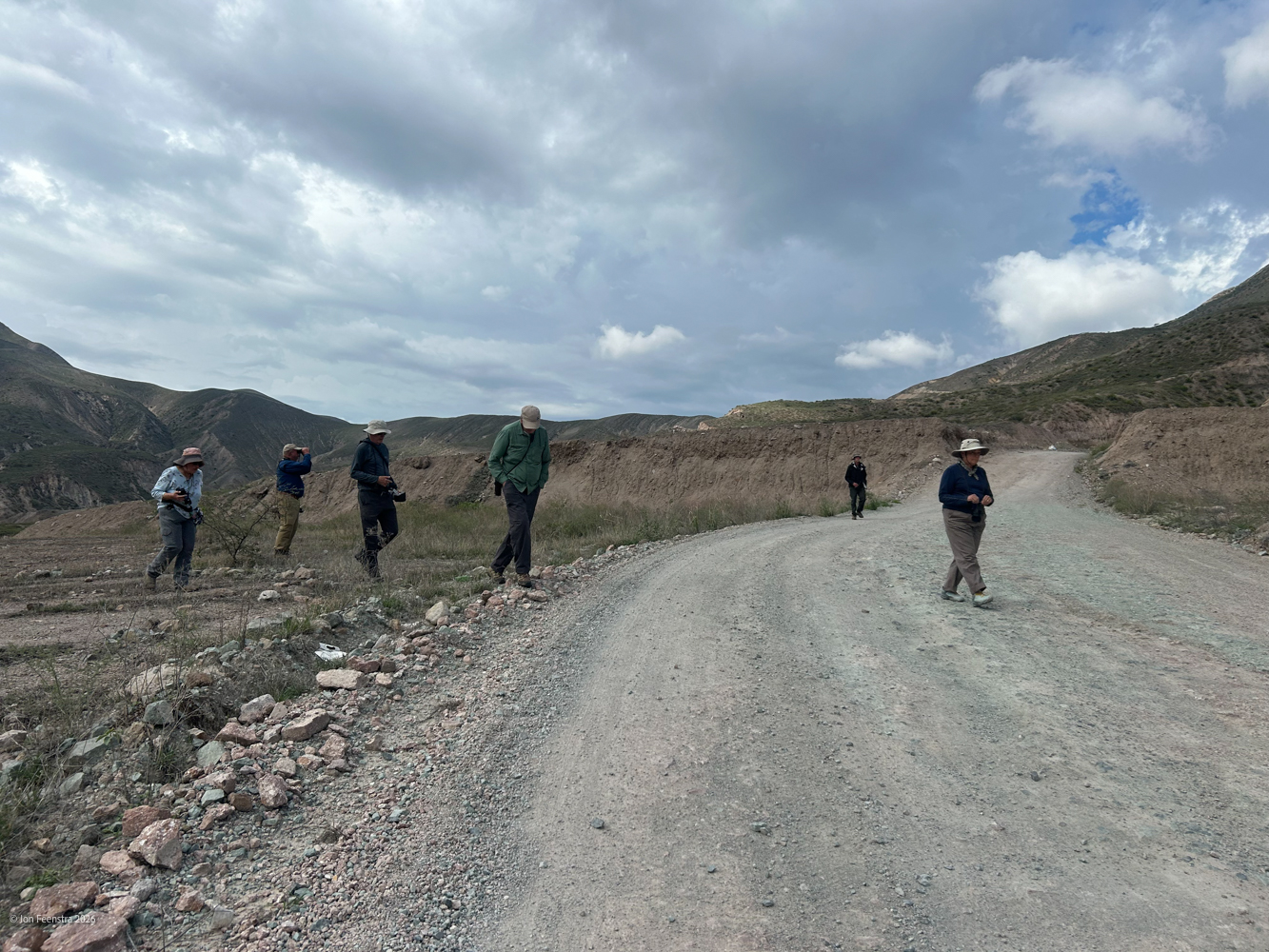
The predawn up in the high altitudes was magical. Over the sounds of myriad frogs was the sound of winnowing Jameson’s Snipe like little jet planes coursing through the cold night air. Once day broke, and after breakfast, we made the walk to the bank of chuquiragua flowers that are the favored food source of the recently discovered Blue-throated Hillstar. A stunning male gave us great looks both near and far and fighting with Shining Sunbeams. We then spent the rest of the morning birding the paramo to find the rest of the special things that live up there. While doing that we were treated to a fly-over by a magnificent Andean Condor. With only partly cloudy skies, soaring was the thing this morning and we had multiple caracaras, young and old, flying around, chasing each other, and generally being super cool birds. There were Mountain Caracaras, but a Carunculated went undetected until photo review. After lunch we dropped down out of the mountains and through a desolate, arid valley in the rain shadow stopping for a Burrowing Owl and some of the other hardy birds that are home there. Evening we ended up outside of the town of Santa Isabel for the night.


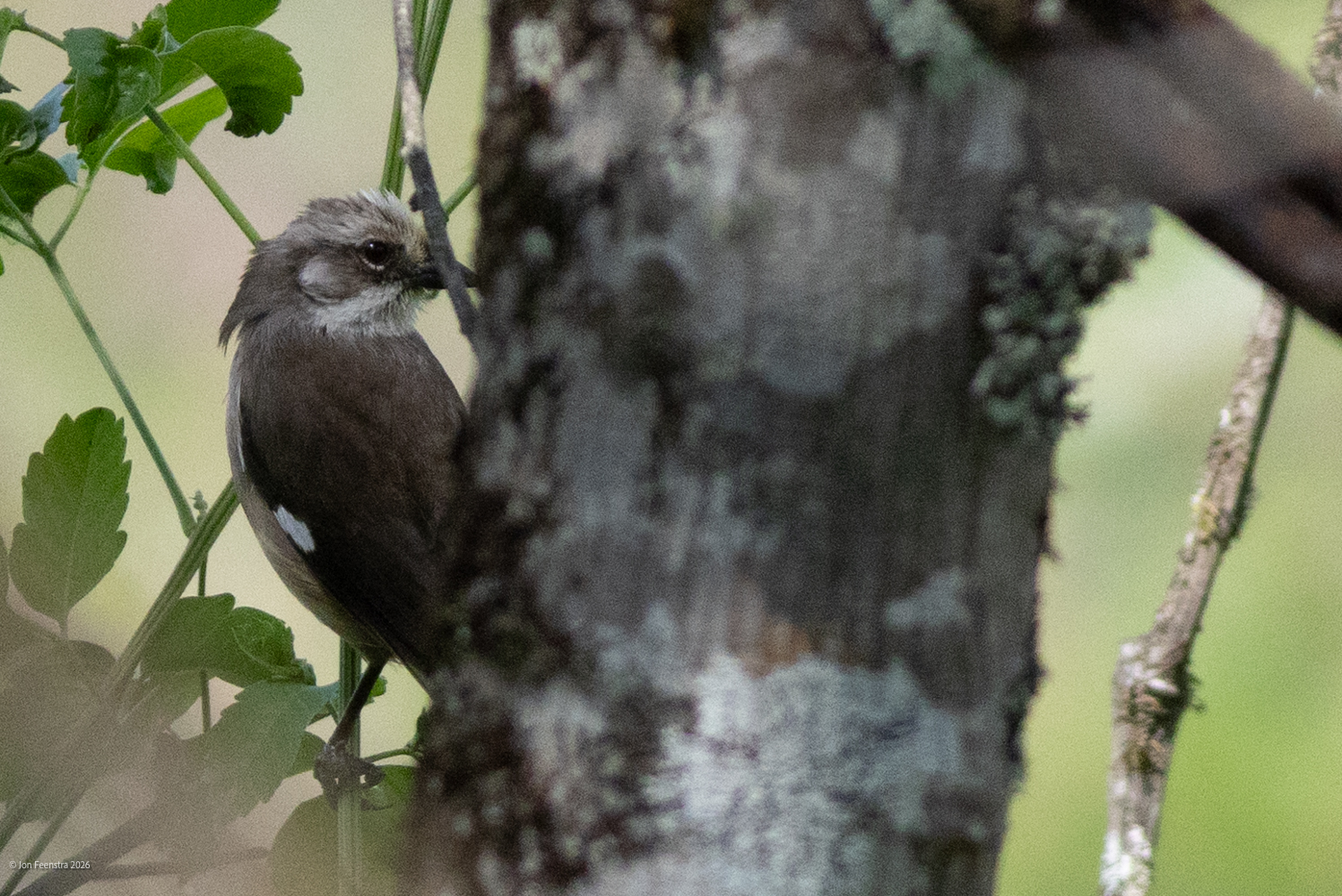
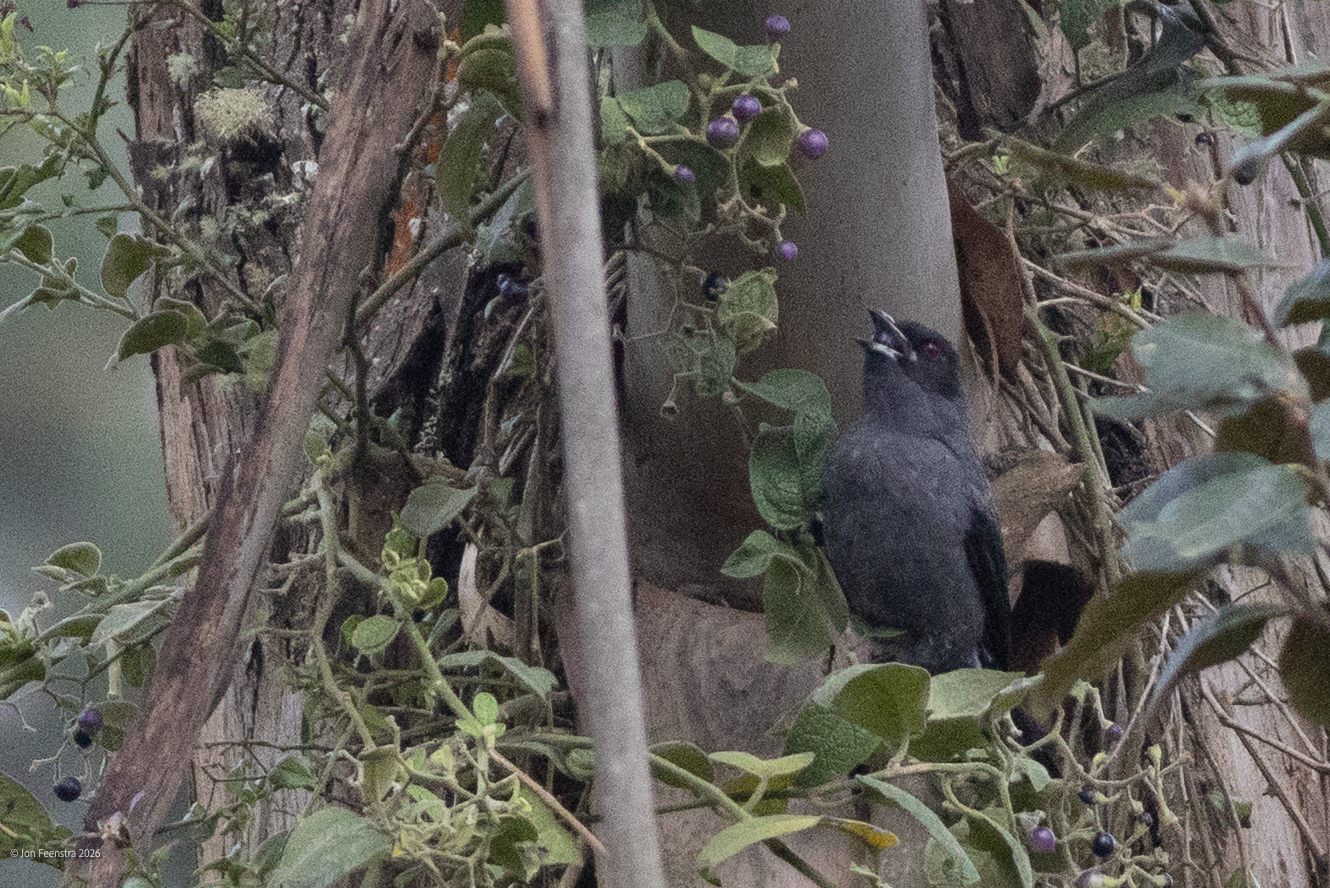
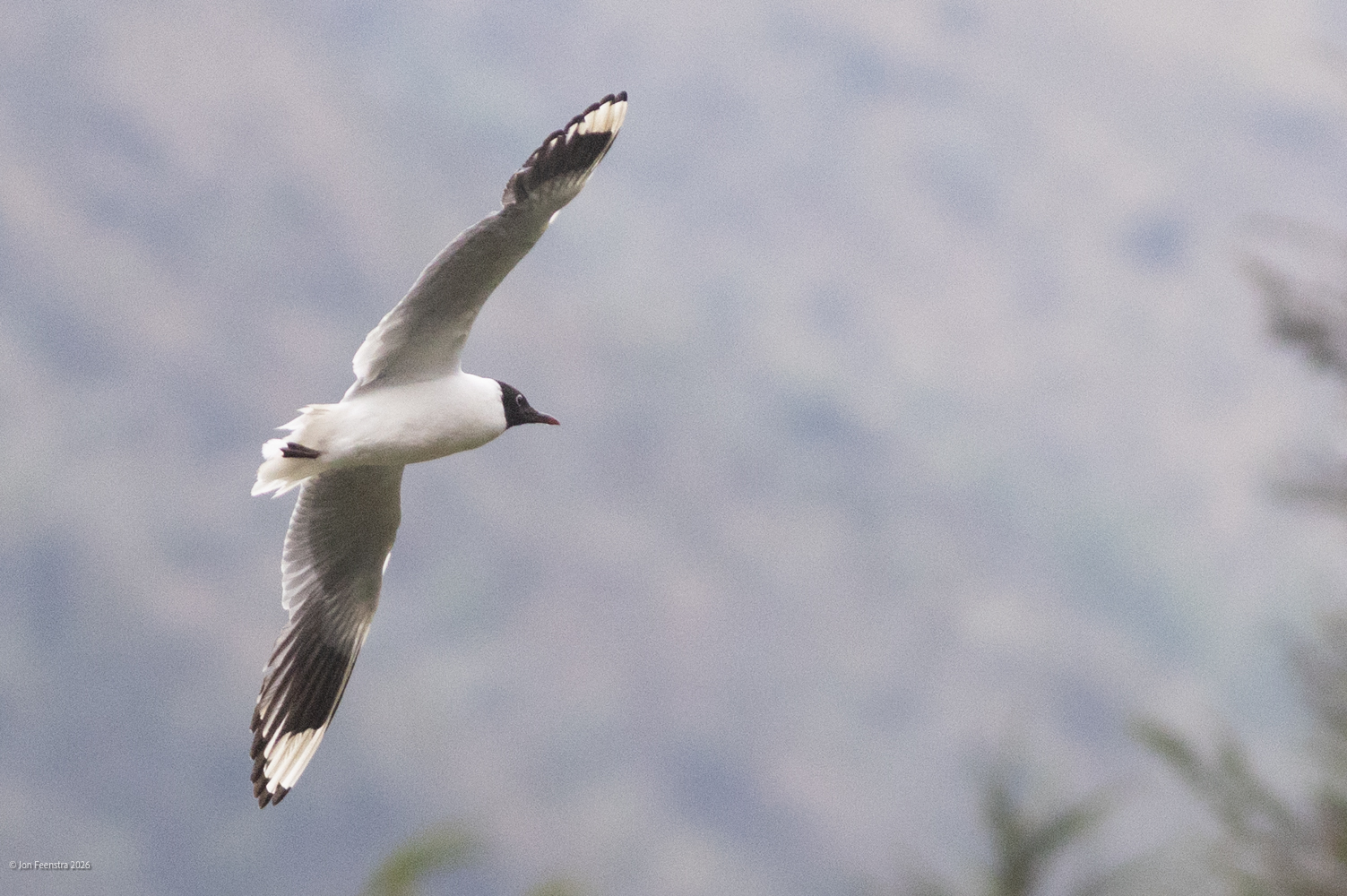
A morning visit to the Yunguilla Reserve was a little unpredictable. Apparently, a flood washed out to the trail to where we can easily see the endemic Pale-headed Brushfinches, so we had to turn around and access the reserve from the other side of the valley. We saw some birds in there, though, as trails don’t affect them. There was some pleasant fluting of Russet-crowned Warbler and Slaty-backed Nightingale-Thrush, and some more raucous sounds of Scrub Blackbirds and Pacific Horneros. We enjoyed the feisty antics of a Peruvian Pygmy-Owl, a bird we hadn’t seen since way early in the tour, but back to being a favorite. We did eventually see Pale-headed Brushfinch with a little work and some more hiking. We left Yunguilla for the high country outside of Cuenca. From the grounds of our hotel we found the endemic Violet-throated Metaltail, as well as loads of Andean Gulls babysitting the trout ponds. A particular beauty was Glowing Puffleg, well-named in both epithets, that we saw several times visiting flowers in the cold forest. The hotel provided us with a delicious dinner and piles of dessert and we called it a day.
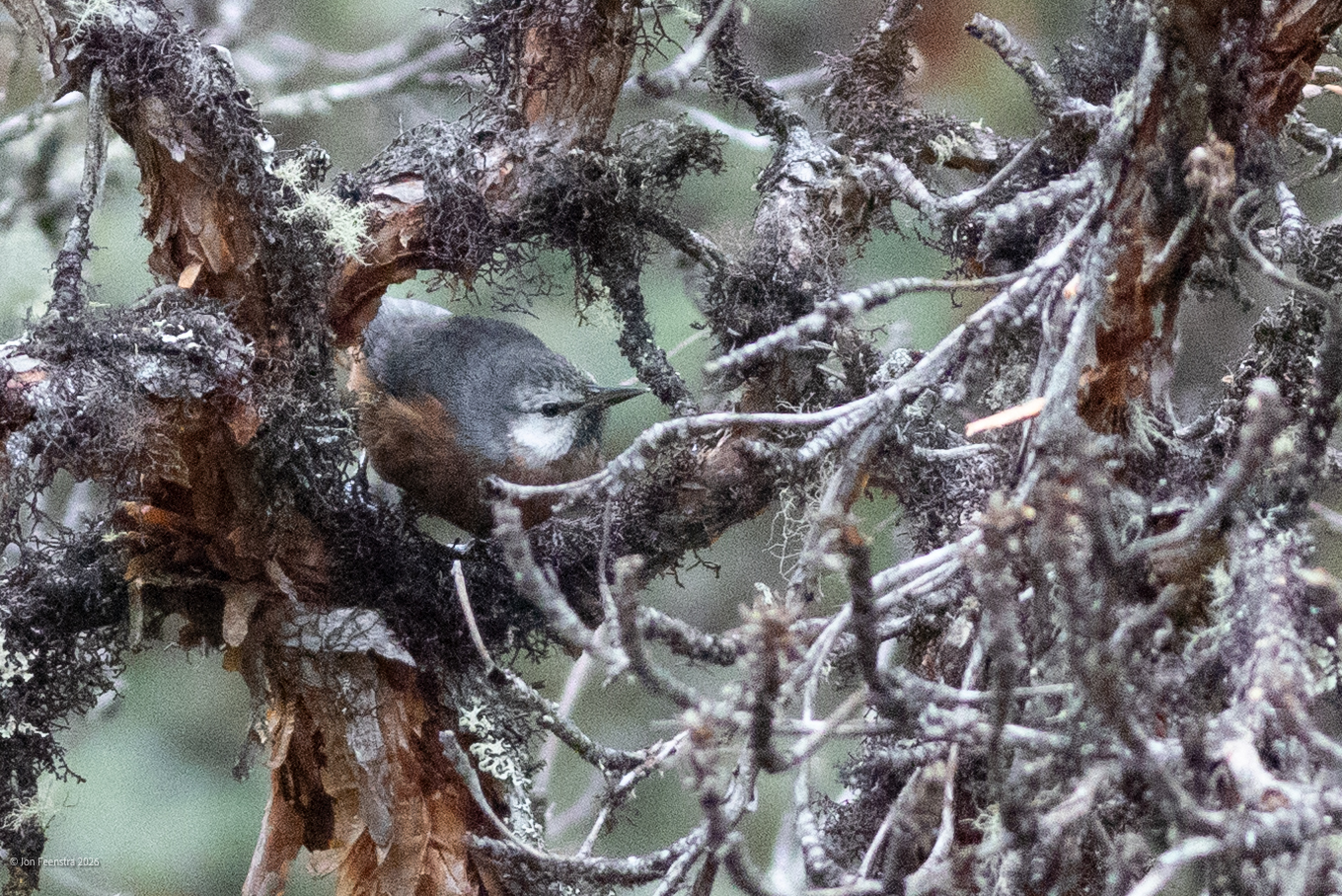
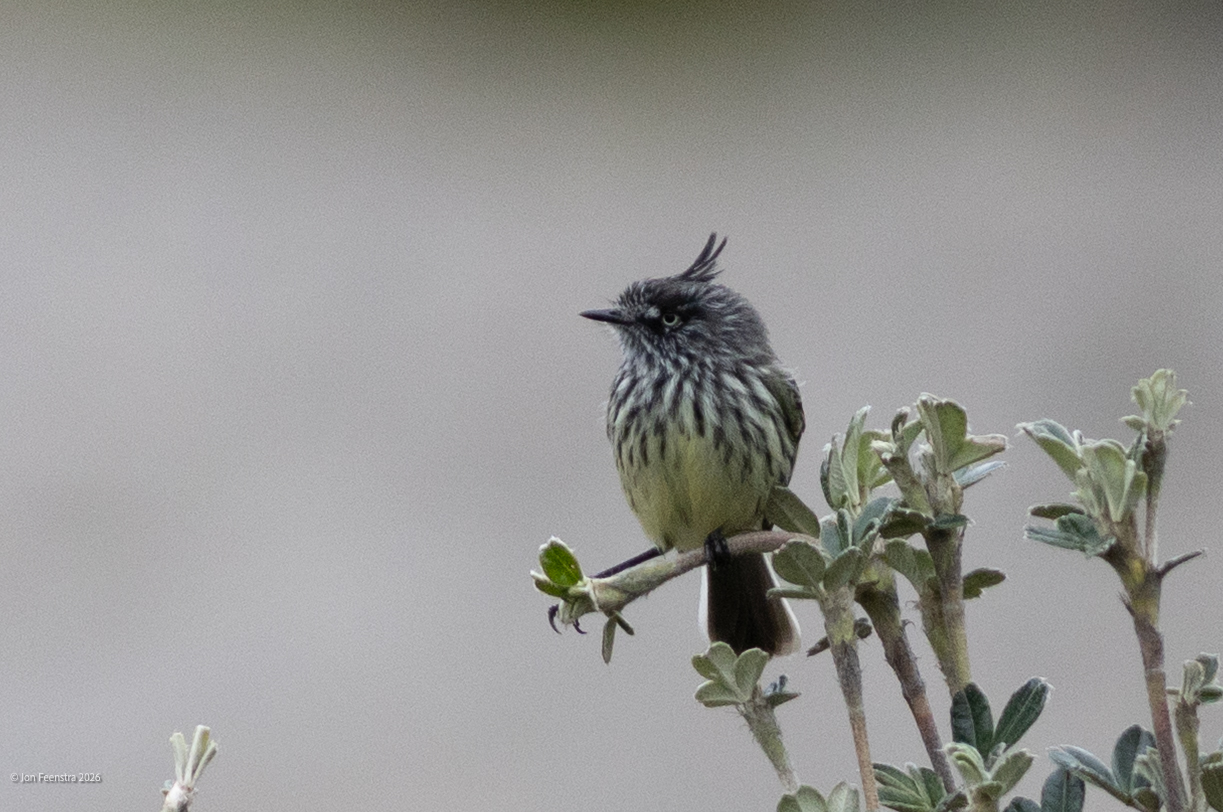
In a cold drizzle we began our last birding day in the high mountains. It was little bit yo-yo birding from the hotel: walking out, getting weathered out, walking back, walking back out again, etc., but we found some good stuff including a Buff-banded Mountain-Tanager and a Carunculated Caracara. From there, we continued our climb to the highest elevation we visited on the tour in El Cajas National Park. We found Tit-like Dacnis and Ecuadorian Hillstar, a pair of Andean Tit-Spinetails, and a pair of Tufted Tit-Tyrants. The real treat, however, was a pair of Giant Conebills working the loose bark of the Polylepis trees. They’re always unpredictable, and just spectacular little birds (only giant compared to other conebills). We had lunch and began our descent back to Guayaquil. After 16 days of driving around through some wild roads in all sorts of conditions, we got rear-ended on a flat, straight, dry, paved road outside of the city. It took a couple of hours to get it all sorted out (incidental side of the road birds), but no one was hurt, and our spirits were still high as we ground through Guayaquil traffic to end up back to our starting place with much great birding behind us.
The official tour web site is HERE.
The eBird trip report is HERE.
And, the photos of non-bird things in iNaturalist is HERE.